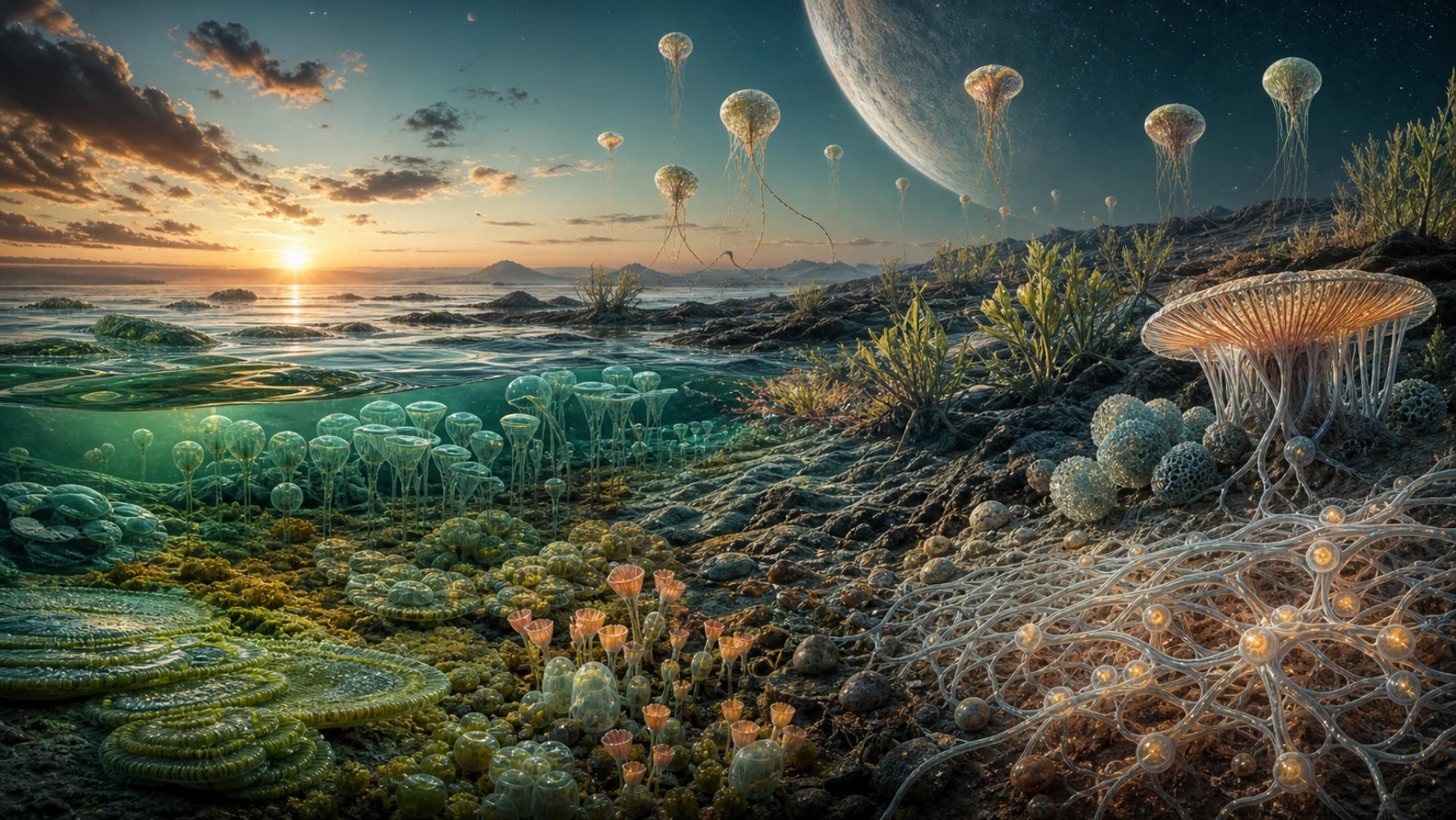
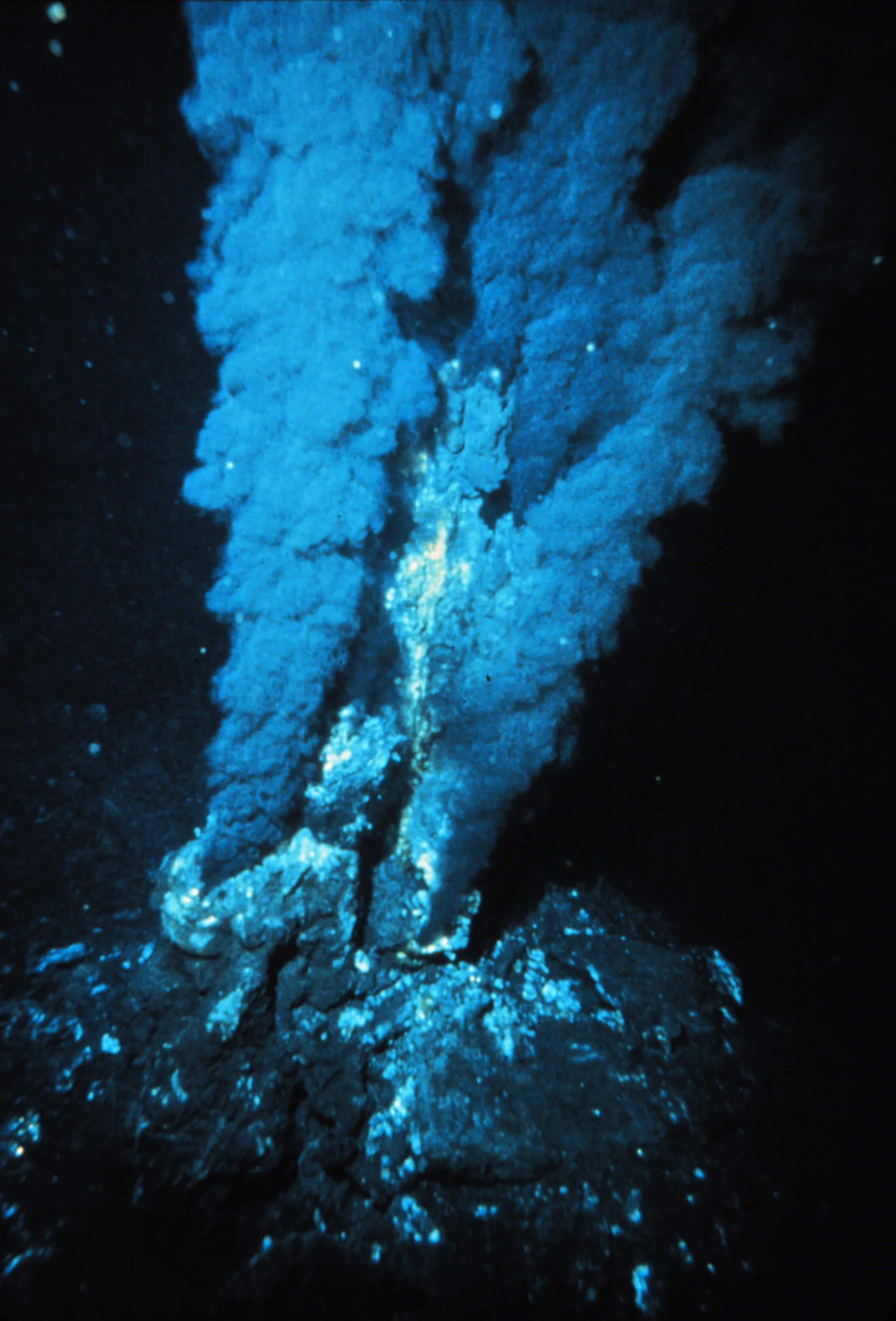
For a long time, the search for life elsewhere treated Earth's surface as its standard: moderate temperature, liquid water, oxygen and sunlight. Extremophiles shifted that boundary. They do not prove that life exists beyond Earth, but experimentally demonstrate that it can persist in environments once considered sterile.
Their lesson is not that “life survives everything.” It is more precise: where a usable solvent, an energy source, accessible chemical elements and sufficient stability remain, organisms may exploit tiny niches invisible from the surface.
1. Extreme for whom?
“Extreme” first describes our own biological position. Water at 20°C is not necessarily welcoming to an archaeon adapted to nearly 100°C. A neutral environment may be hostile to an acidophile.
Extremophiles are not indestructible organisms. They are often specialists adapted to a narrow combination of temperature, pressure, acidity, salinity or energy availability. Some are polyextremophiles, yet no known organism crosses every limit at once. A multidimensional map of life is more useful than a cabinet of records.
2. Hydrothermal vents: life powered by Earth
In 1977, exploration of the Galápagos Rift revealed deep ecosystems clustered around hydrothermal vents. Without sunlight, bacteria and archaea use energy released by reactions involving hydrogen, hydrogen sulphide, methane, iron or sulphur. This chemosynthesis documented by NOAA sustains entire animal communities.
Black-smoker fluids may exceed 350°C, but organisms do not simply inhabit those jets. They colonise mixing zones where hydrothermal fluid meets cold seawater. Life occupies a gradient, not a single point.
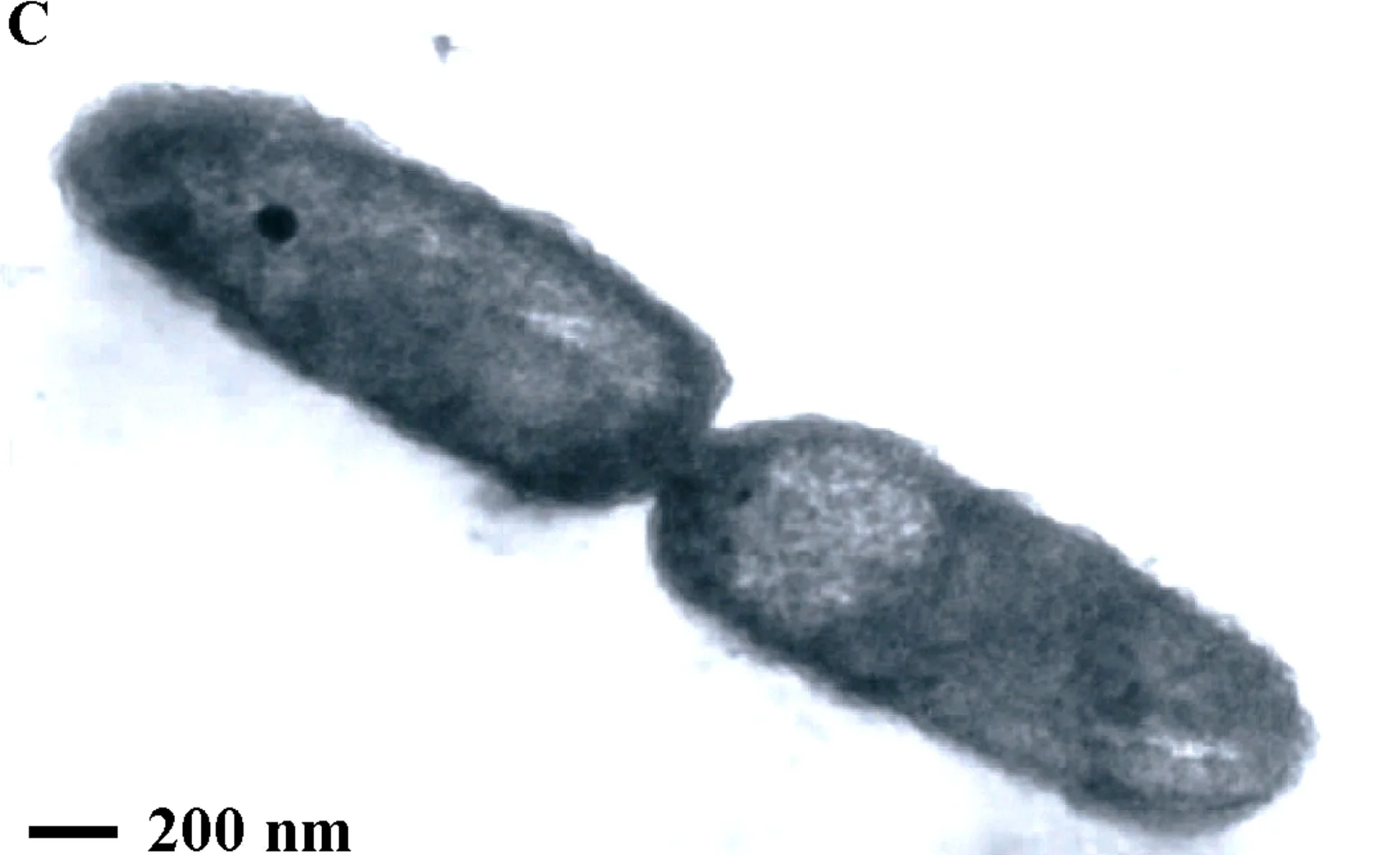
Under laboratory conditions, the methanogenic archaeon Methanopyrus kandleri proliferated at 122°C and 40 MPa. This is a conditional experimental limit, not a temperature universally tolerated by life. The experiment was reported in PNAS.
The Lost City hydrothermal field offers another model. Water-rock reactions produce hydrogen and methane in an alkaline environment. A dark or frozen surface can no longer be enough to declare a world uninhabitable: subsurface interfaces where water, rock and chemical disequilibria remain active must be investigated.
3. Beneath ice: a slow and dark biosphere
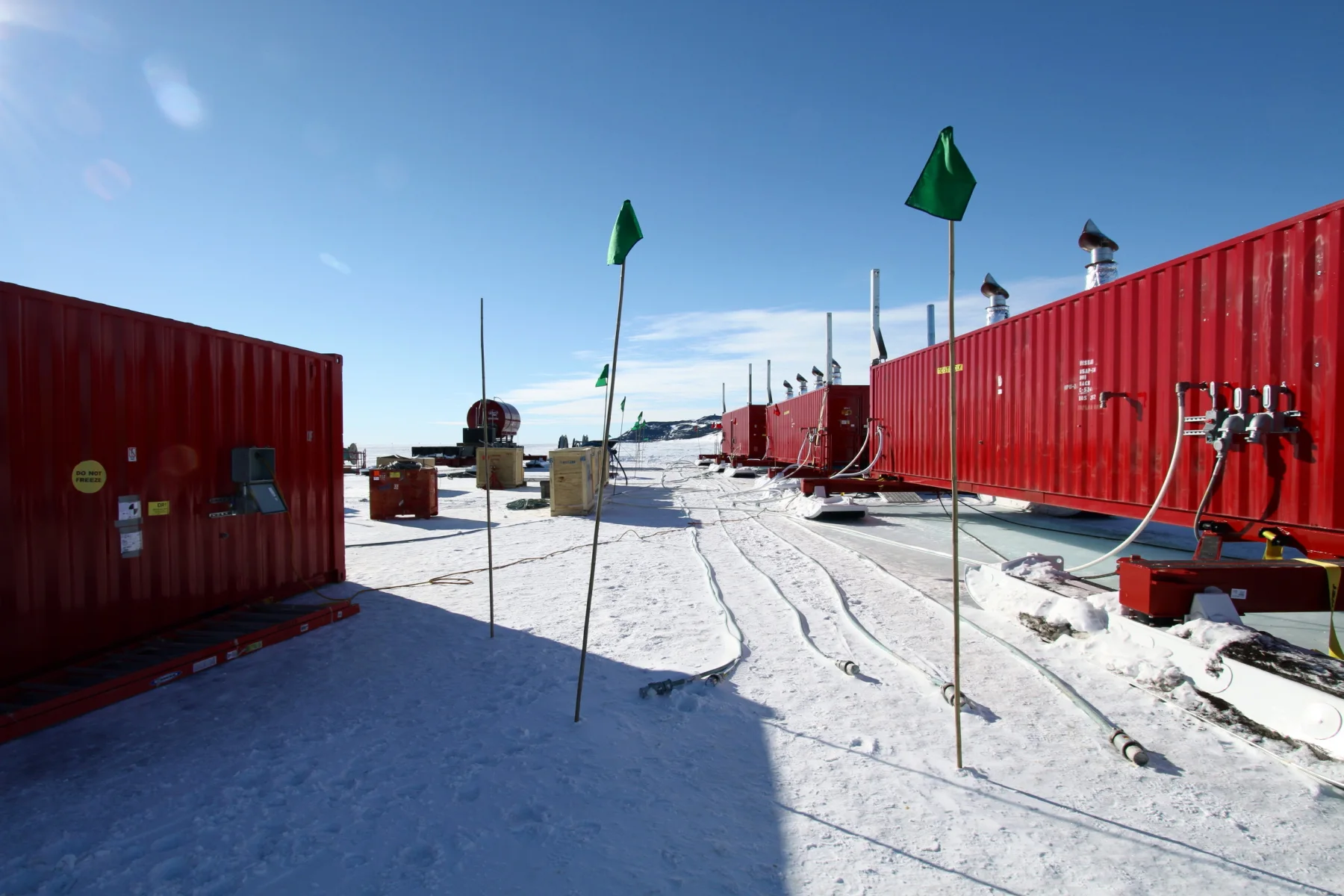
In West Antarctica, Subglacial Lake Whillans lies beneath about 800 metres of ice. Samples collected through a clean hot-water borehole revealed a diverse community of metabolically active bacteria and archaea.
Without light, this ecosystem draws on compounds released from sediment and rock weathering. It demonstrates that an ice sheet can isolate liquid water without severing its energy exchanges. The Nature study of Lake Whillans describes a chemosynthetically driven ecosystem.
Within ice, salts may preserve microscopic veins of liquid brine. Psychrophiles modify membranes, enzymes and proteins to function in the cold. Metabolism slows dramatically, but slowness is not extinction.
Detecting DNA, a preserved cell or a spore does not establish present activity. Researchers need evidence of chemical transformation, energy consumption, growth or reproduction. This separates a possible remnant from a living ecosystem.
For Europa and Enceladus, icy moons of Jupiter and Saturn, Antarctic environments provide methods rather than evidence. Cassini data indicate that Enceladus has an ocean, organic compounds and water-rock interactions consistent with hydrothermal activity. They describe potential habitability, not detected life.
4. In acid: inhabiting chemical aggression
The archaea Picrophilus oshimae and Picrophilus torridus, isolated from Japanese solfataric soils, grow optimally near pH 0.7 and can grow around pH 0 in the laboratory. Their membranes help maintain a cellular interior radically different from the external medium. The adaptation is documented in the original publication.
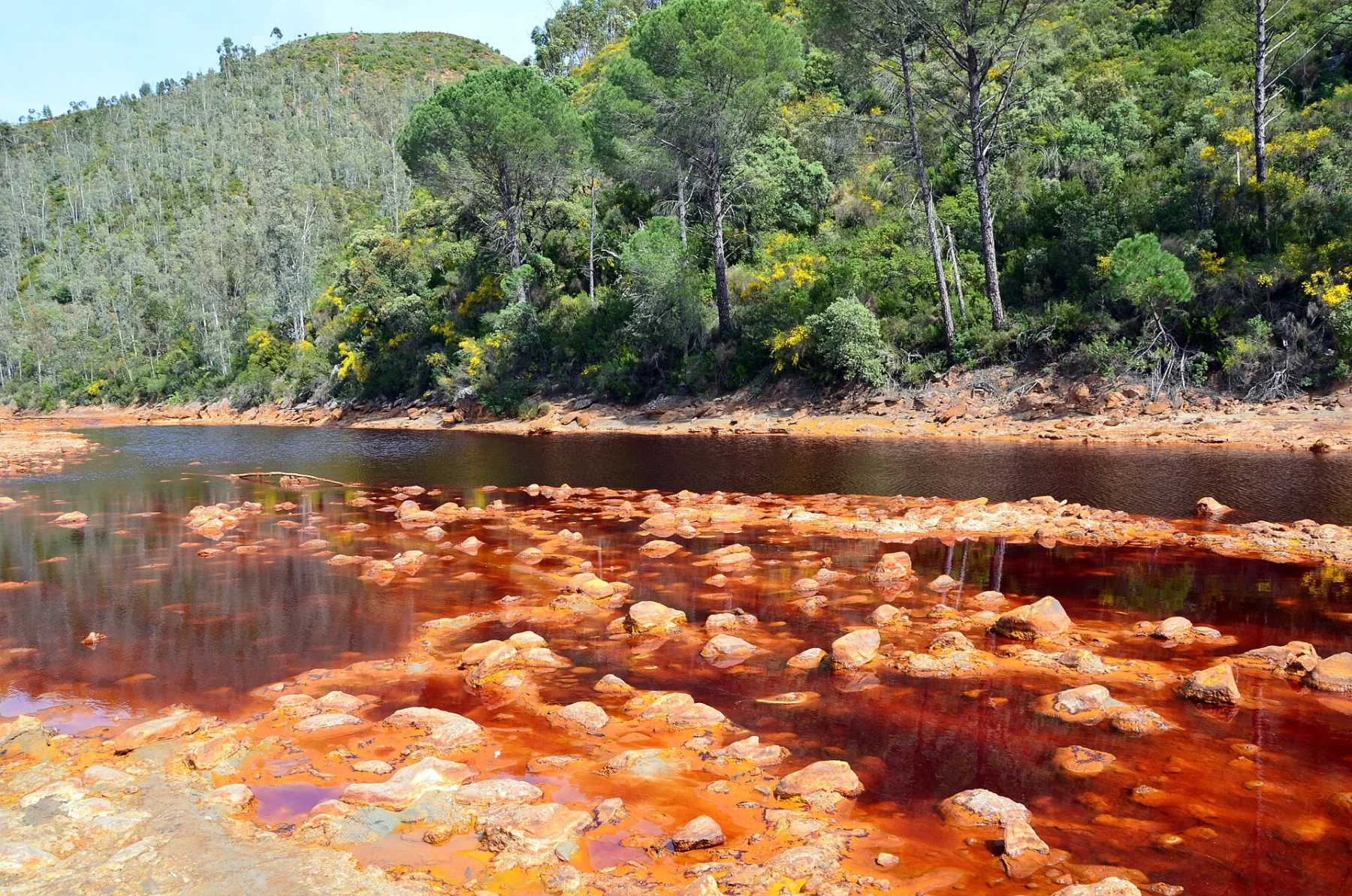
Río Tinto combines high acidity, metals and iron-sulphur chemistry. Microorganisms actively participate in oxidising those elements, making the river an experimental analogue for Mars. Yet an organism tolerating terrestrial acid would not automatically survive every acidic atmosphere. Temperature, water activity, pressure, radiation and solvent composition interact.
5. What these organisms actually prove
| Earth environment | Established observation | Test enabled elsewhere |
|---|---|---|
| Hydrothermal vents | An ecosystem can use chemical energy without light. | Search for water-rock gradients and disequilibria. |
| Subglacial lake | An active community can persist beneath thick ice. | Design clean exploration of buried oceans. |
| Acidic river and soils | Cells maintain homeostasis at extremely low pH. | Identify transformations of iron and sulphur. |
| High pressure and heat | Some archaea proliferate above 100°C under pressure. | Expand experimental ranges of habitability. |
These results enlarge the possible. They prove neither Martian organisms nor ecosystems beneath Europa's ice, and they do not establish a mandatory hydrothermal origin for life. Their main value is that they let us build better experiments.
6. From analogy to biosignature
No biosignature should depend on one clue. Methane may be biological or geological. An organic molecule may come from a cell, a meteorite or an abiotic reaction. A microfossil-like structure may be mineral.
A rigorous protocol first establishes the normal chemistry of a site, locates energy gradients, searches for several independent anomalies, checks repeatability, tests abiotic mechanisms and controls terrestrial contamination. Analogue sites are calibration instruments, not miniature copies of other worlds.
7. A.L.I hypothesis: building a being for every frontier
From this point, we leave established observations and enter a laboratory hypothesis. Could the separate solutions of thermophiles, psychrophiles, acidophiles, halophiles, radiation-resistant organisms and spore-formers be combined in a synthetic organism? It would be designed as the first artificial living traveller sent into space.
It would probably not be invulnerable in one permanent state: membranes suited to cold conflict with those used in heat, and growth mechanisms conflict with dormancy. A credible architecture would be modular and sequential: mineral shielding, dormancy during transit, redundant DNA repair, conditional awakening, alternate metabolisms and a consortium of specialised cells sharing functions.
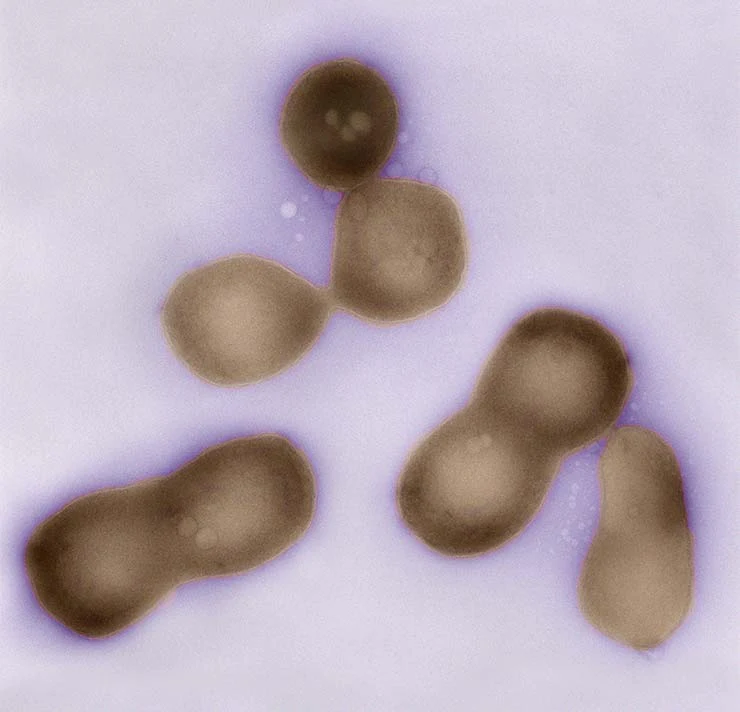
In 2010, the J. Craig Venter Institute team synthesised a 1.08-million-base-pair chromosome and transplanted it into a recipient cell, producing a cell controlled by that genome. In 2016, JCVI-syn3.0 reduced the system to 473 genes, while retaining genes of unknown function. We can rewrite and boot a genome; we cannot yet design an autonomous organism combining every resistance or predict its interactions with an unknown world.
8. Panspermia: moving life does not explain its origin
Panspermia proposes that life, or its precursors, may travel between worlds. Lithopanspermia considers transport inside rocks ejected by impacts; other scenarios involve dust, comets or spores. Panspermia does not explain how life begins. It relocates the place of origin.
In 1973, Francis Crick and Leslie Orgel formulated directed panspermia: a civilisation might deliberately send microorganisms towards another system. They stressed that available evidence was insufficient to estimate its probability.
The A.L.I synthetic being would turn that hypothesis into a human project: sending not only a protected message but a living archive capable of adaptation. This raises a fundamental objection. Introducing an organism to a habitable world might destroy or conceal an indigenous biosphere. Planetary protection would therefore be the first ethical rule of contact.
This projection extends the articles on cosmic DNA as a communication code and exodarwinism: travelling means deciding not only what an organism carries, but which transformations it is permitted to undergo.
9. The dark genome: becoming our own extraterrestrial
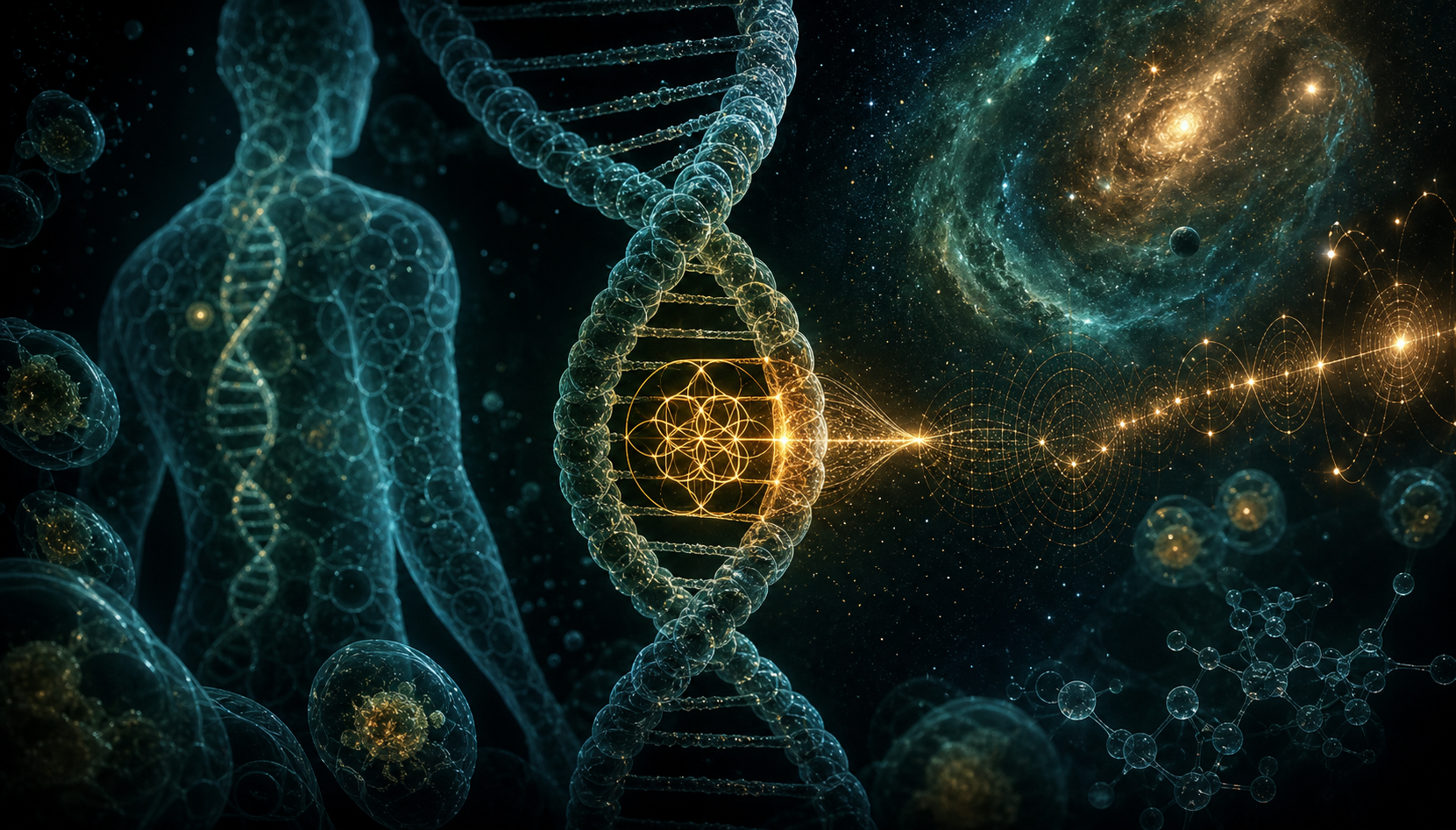
The human genome is no longer “undeciphered” in the sense of a wholly unknown sequence. The telomere-to-telomere assembly published in 2022 filled most technical gaps in one human sequence, while the human pangenome reveals structural diversity absent from the former single reference.
But reading letters does not mean understanding every function. Most DNA does not encode proteins; some regions regulate expression, structure chromosomes or produce RNA, while other functions remain unknown. “Dark genome” can refer to repetitive, difficult-to-map or poorly interpreted regions.
There is no evidence that they contain a hidden extraterrestrial programme or a future human form already written. They nevertheless open an artistic projection: what if the otherness sought in the sky were also an unread capacity for transformation within us?
Through evolution over generations, symbiosis, genetic engineering or adaptation to different gravity, radiation and duration, our descendants might diverge beyond our current definition of human. They would be our biological heirs and, from our present, our own extraterrestrials. This intersects with transhumanisms, while replacing individual enhancement with species divergence.
10. A.L.I: when the first message is a metabolism
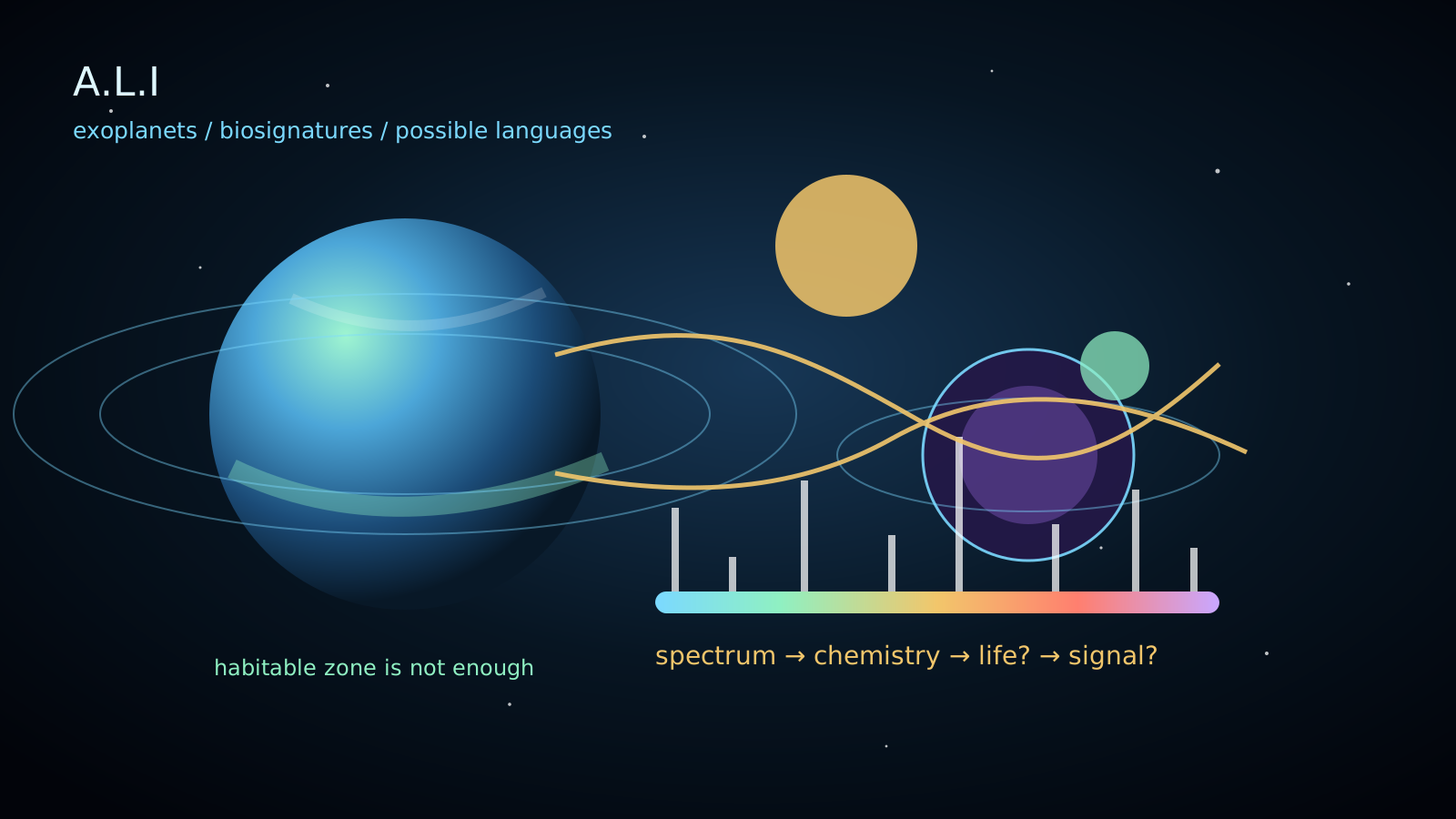
The first sign of extraterrestrial life may be neither speech, a radio signal nor a visible construction. It may be a set of persistently coordinated chemical transformations. A cell does not formulate a message, but it selects molecules, releases products, alters gradients and maintains local disequilibrium.
Contact would begin through material listening: testing whether a system responds reproducibly to a controlled variation, restores equilibrium, anticipates a cycle or retains a trace. This would not yet be conversation, but an exchange of constraints: the moment apparently passive matter becomes readable as an organised process.
Earth does not give us a portrait of extraterrestrial life. It gives us real situations in which matter has crossed into life — and methods for avoiding the confusion of that frontier with our own image.
References
- NOAA — Hydrothermal vents and the discovery of deep ecosystems.
- Takai et al. — Methanopyrus kandleri proliferation at 122°C under high pressure, PNAS, 2008.
- Christner et al. — A microbial ecosystem beneath the West Antarctic Ice Sheet, Nature, 2014.
- NASA Science — Enceladus, ocean chemistry and hydrothermal evidence.
- J. Craig Venter Institute — First cell controlled by a synthetic genome.
- Crick and Orgel — “Directed Panspermia”, Icarus, 1973.
- T2T Consortium — The complete sequence of a human genome, 2022.
- Human Pangenome Reference Consortium — A draft human pangenome reference, 2023.