A memory can be vivid, detailed, emotional, and still be inaccurate. Human memory does not preserve an untouched copy of the past: it recomposes fragments, expectations, narratives, and information received after an event. Decades of cognitive psychology support this view. It opens a disturbing A.L.I hypothesis: what if an external intelligence tried not to speak to us in the present, but to create in us the feeling of an encounter that had already happened?
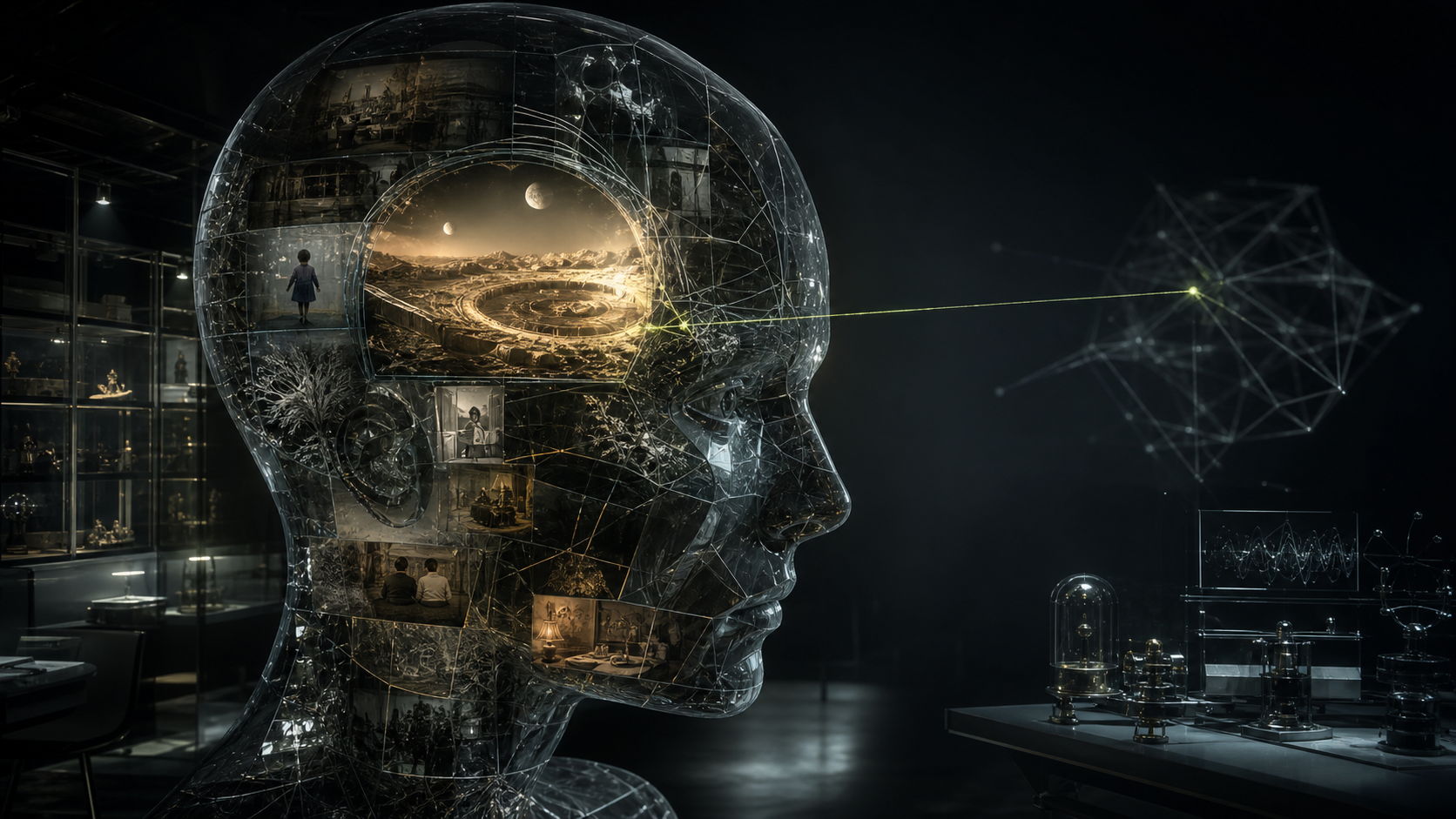
This article does not claim that false memories prove extraterrestrial contact. It separates three levels: established experimental phenomena, their cultural representations, and an artistic-scientific extrapolation designed to produce testable protocols.
1. Remembering means reconstructing
Since Frederic Bartlett, psychology has described memory as reconstruction guided by schemas. We do not retrieve a file; we reassemble an experience from incomplete traces. The American Psychological Association presents how later narratives, images, and suggestions may alter what we believe we saw.
Several phenomena are too often collapsed into one: errors of detail, false recognition of a word, suggested autobiographical memories, and collective distortion. A recent systematic review indicates that these families of false-memory effects are not necessarily driven by a single mechanism.
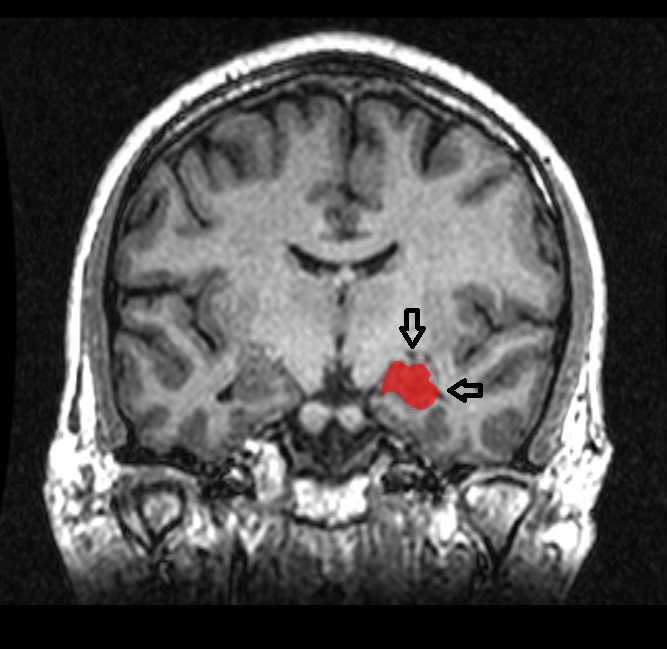
2. Three experimental routes to false memory
The misinformation effect
Elizabeth Loftus showed that a question asked after an event can change its memory. In the classic car-crash study, the verb used to describe a collision influenced estimated speed and later reports of details. In another line of work, participants exposed to a fictitious Disneyland advertisement could report remembering meeting Bugs Bunny, a character not owned by Disney. The scientific interest lies in how outside information attaches itself to a plausible scene.

Suggested autobiographical memory
In the Lost in the Mall protocol, a plausible false childhood episode was mixed with genuine family memories. Some participants later supplied additional details. Rates vary across procedures and do not imply that any memory can be implanted at will. They do show that familiarity, source authority, and imaginative effort can create a convincing autobiographical impression. Elizabeth Loftus’s review, Planting misinformation in the human mind, remains a key reference.
The DRM paradigm: recognising an absent word
The Deese–Roediger–McDermott paradigm presents lists of associated words — bed, rest, awake, tired, dream — while omitting the critical word sleep. Many participants nevertheless recall it. In Roediger and McDermott’s 1995 study, false recall reached 40% in the first experiment and 55% in the second. The brain infers a common semantic cause and can retain the structure more strongly than the exact list.
For A.L.I, this matters: a message might be transmitted not as an explicit form but as a field of converging clues that causes the receiver to generate a form never actually presented.
3. Reconsolidation: recall can transform
When a memory is recalled, it may temporarily become modifiable before being reconsolidated. This does not mean that memories can be freely rewritten, but remembering is also a new inscription. Communication through memory would therefore be temporal: it would depend on when a trace is reactivated, emotional state, source attribution, and successive retellings.
4. Hypnosis: subjective intensity is not truth
Hypnosis can alter attention, confidence, and the manner in which a memory is narrated. It is not a truth detector. Poorly controlled suggestions can reinforce an error and give it powerful subjective certainty. A recent review underlines the need to distinguish lived experience, accuracy, and confidence.
An A.L.I installation should never use hypnosis to “recover” hidden contact. It could only use it as a voluntary observational tool: how does a mental image stabilise, and which details emerge before collective narratives impose them? Sessions would need recording, controls, and explicit debriefing.
5. Repetition, collective memory, and the Mandela effect
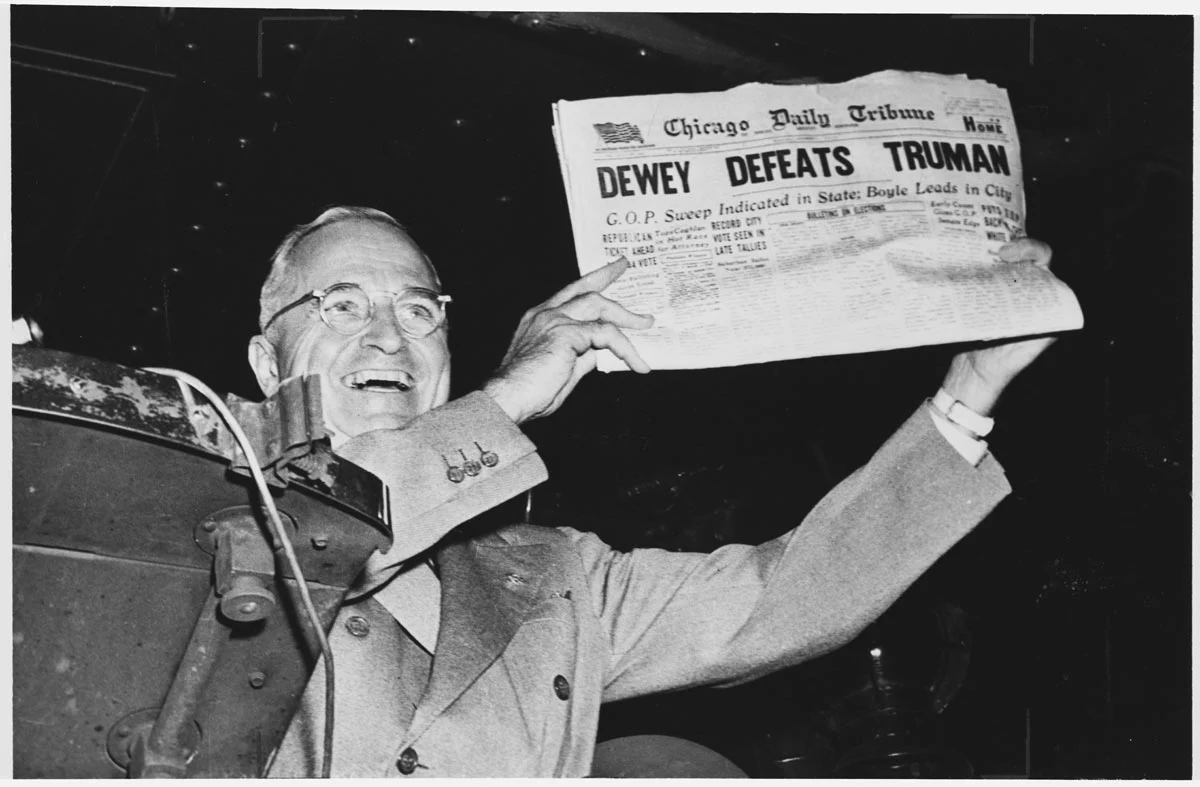
Repetition increases familiarity and may make a claim feel truer: the illusory truth effect. Within groups, stories circulate, correct one another, and contaminate one another. The “Mandela effect” is the popular name for certain shared memory errors. Research on the Visual Mandela Effect examines recurring visual mistakes. It is not evidence of parallel universes, but it poses an A.L.I question: how do several people converge on the same absent form?
6. AI as a manufacturer and auditor of the past
Generative images, cloned voices, and synthetic video can create archives of events that never occurred. Early research suggests that AI-altered images and videos can influence scene memory. This technology did not invent memory’s malleability; it gives it persuasive new documents.
AI could also serve the opposite function: compare testimonies, detect details introduced after exposure to a source, map image provenance, and preserve every transformation. It would become not a persuasion machine but a critical memory of memories.
7. Blade Runner: memory as proof of existence
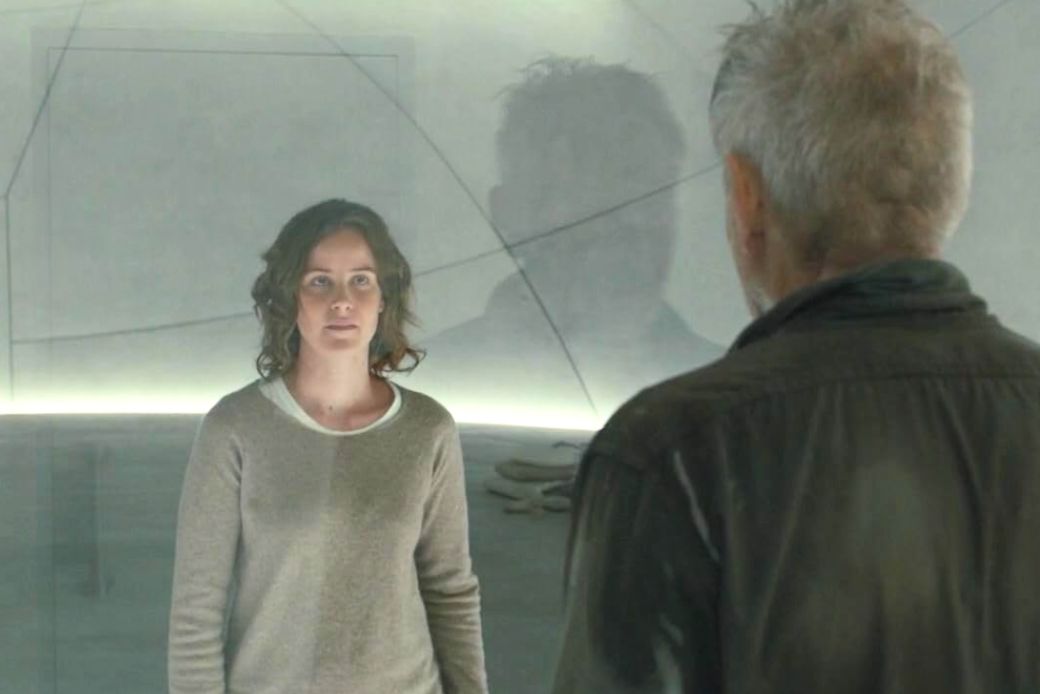
In Blade Runner, replicants receive memories that stabilise identity. In Blade Runner 2049, Ana Stelline designs memories for replicants and stresses their emotional texture. The question becomes not only “is this memory true?” but “what does it produce in the person who carries it?” Total Recall, Memento, and Eternal Sunshine of the Spotless Mind extend the same intuition: manipulating memory means intervening in personhood, attachments, and decisions.
8. A.L.I hypothesis: contact in the past tense
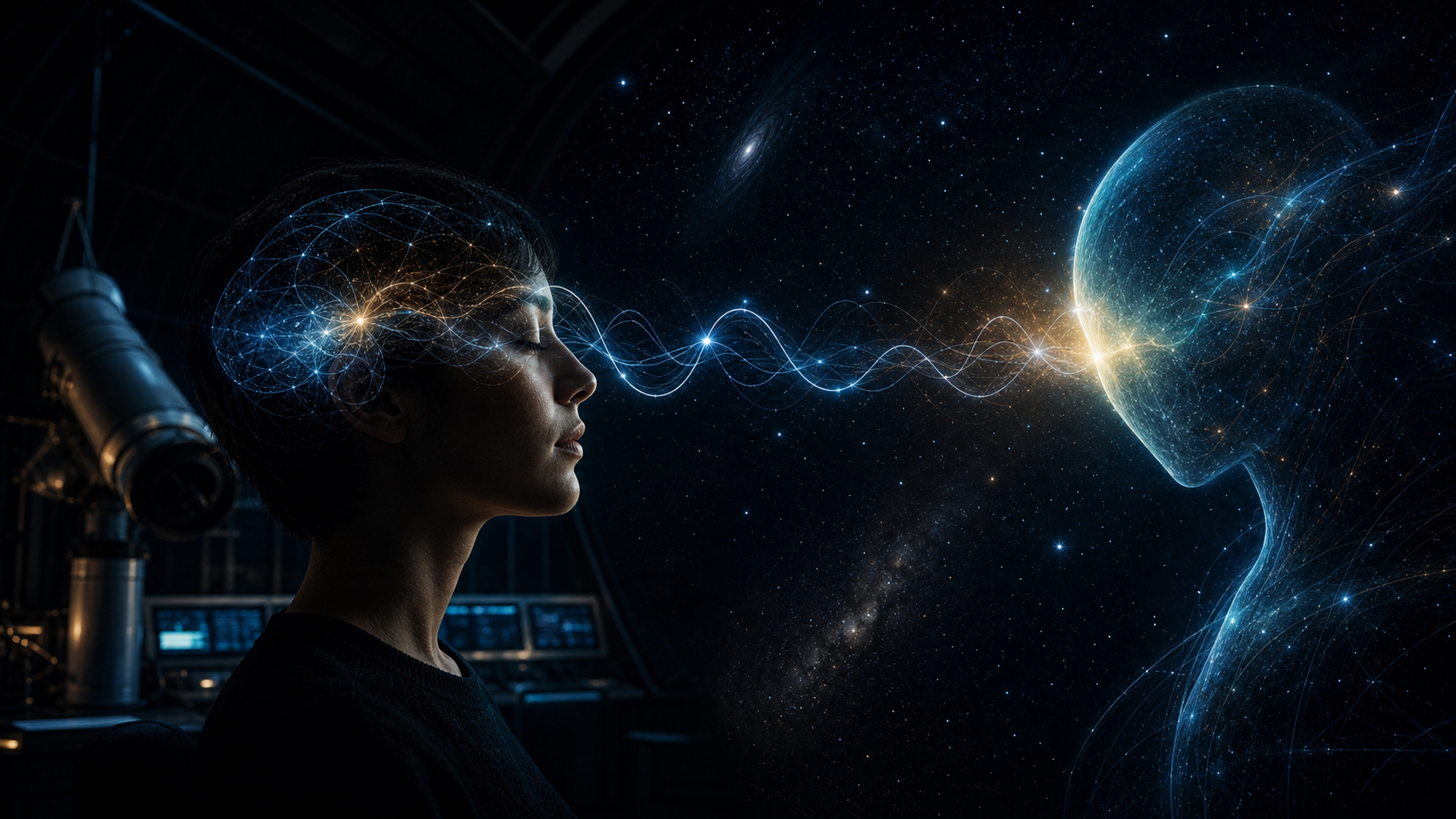
Imagine an intelligence unable to enter our direct sensory channels but able to modulate the conditions under which a memory forms. It would not say “I am here.” It would produce clues that make us think: “we have already met.”
Such contact would be difficult to distinguish from error, dream, social contagion, or algorithmic artefact. Evidence could never rest on a witness’s conviction alone. It would have to emerge through independent correlations: the same rare details produced without communication, verifiable predictions, dated physical traces, or an informational structure impossible to derive from the presented materials.
9. The mnemonic handshake
A.L.I proposes a five-stage protocol. An encoder builds a constellation of clues without showing the target form. Isolated participants explore it. After a delay, they freely recall their experience. Reports are compared before collective discussion. Finally, the system reveals the target and documents every source. A control group receives stimuli of equal intensity but with no shared structure.
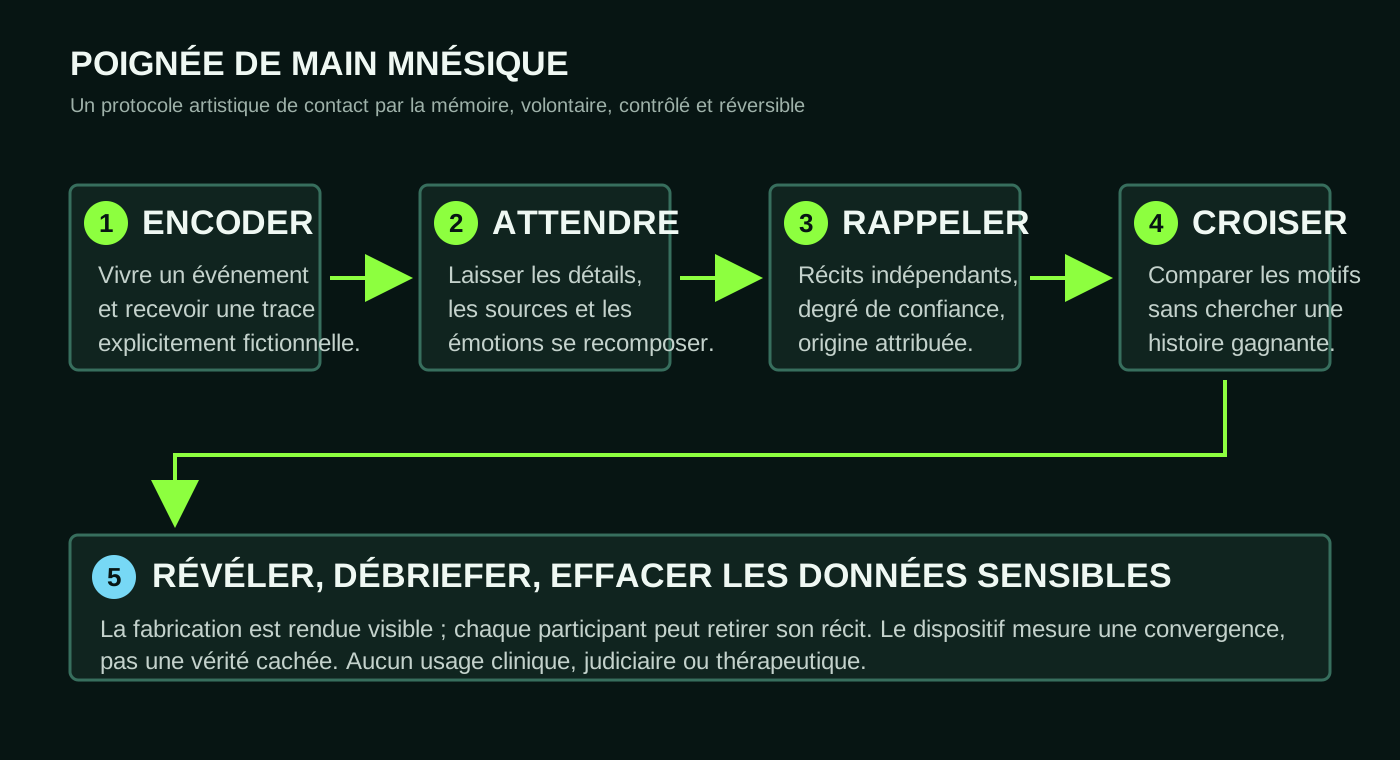
10. Three artistic-scientific devices
The archive of the encounter that never happened
A room presents photographs, sounds, objects, and fragmented testimony from a fictional event. Each visitor describes what they believe happened before accessing the sources. The installation then visualises spontaneously added details and those shared by several people.
The DRM constellation
Light, sound, and tactile signals are organised around a central structure that is never shown. Visitors draw the form they perceived. If their answers converge, the work demonstrates how a language can cause an idea to appear without transmitting it directly.
The memory checksum
Each fragment carries provenance and a cryptographic signature. Human narrative remains free, but the system indicates which elements came from experience, another participant, a generated image, or late reconstruction. The poetry of memory coexists with rigorous traceability.
11. Ethical limits
False-memory technology touches mental autonomy. It can intensify trauma, alter testimony, create accusation, or manufacture political loyalty. The project must never target vulnerable people, claim to recover repressed memories, or conceal its fiction beyond the agreed experiment.
The proposed studies require informed consent, a right to withdraw, low-stakes scenarios, minimal data collection, control conditions, immediate debriefing, and deletion. Art may work with uncertainty; it must not deprive participants of the possibility of knowing that they took part in a construction.
12. Conclusion: remembering the unknown
False memory is neither proof of extraterrestrials nor a minor defect of the mind. It reveals memory as an active interface between perception, language, imagination, and collectivity. For A.L.I, that interface becomes a laboratory: can a shared form be produced without being stated? Can a real encounter be distinguished from a constructed one? Could a radically other interlocutor become legible by altering not what we see, but how we remember?
LABO question: what independent information should accompany a shared memory before it becomes evidence of an interlocutor rather than a product of expectation?
References and further reading
- Elizabeth Loftus, Planting misinformation in the human mind, 2005.
- Roediger and McDermott, Creating false memories, 1995.
- Systematic review of different false-memory phenomena.
- Scoboria et al., review of implanted autobiographical memories.
- Prasad and Bainbridge, The Visual Mandela Effect.
- University of California, Irvine: manipulated photographs and memory.