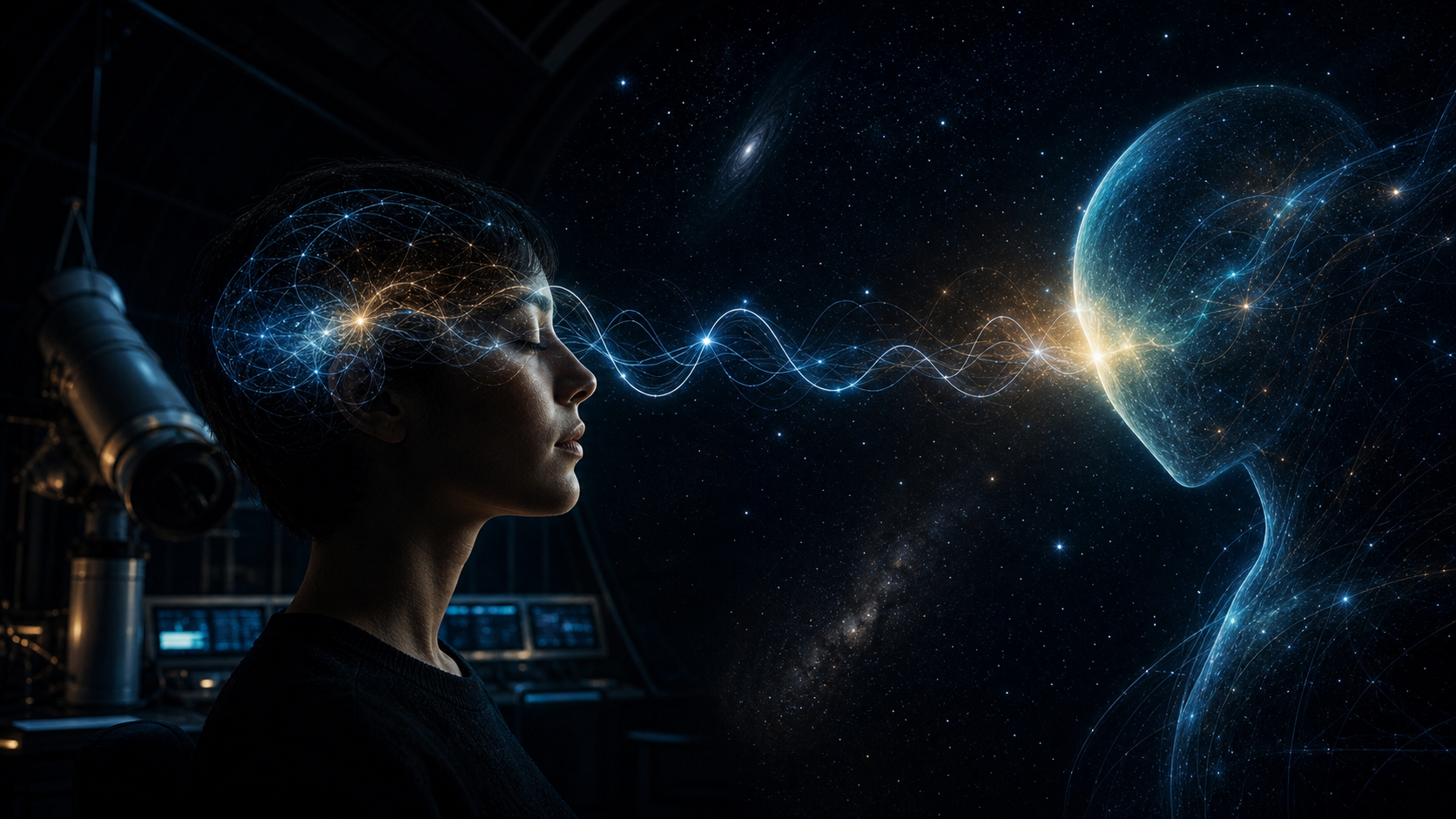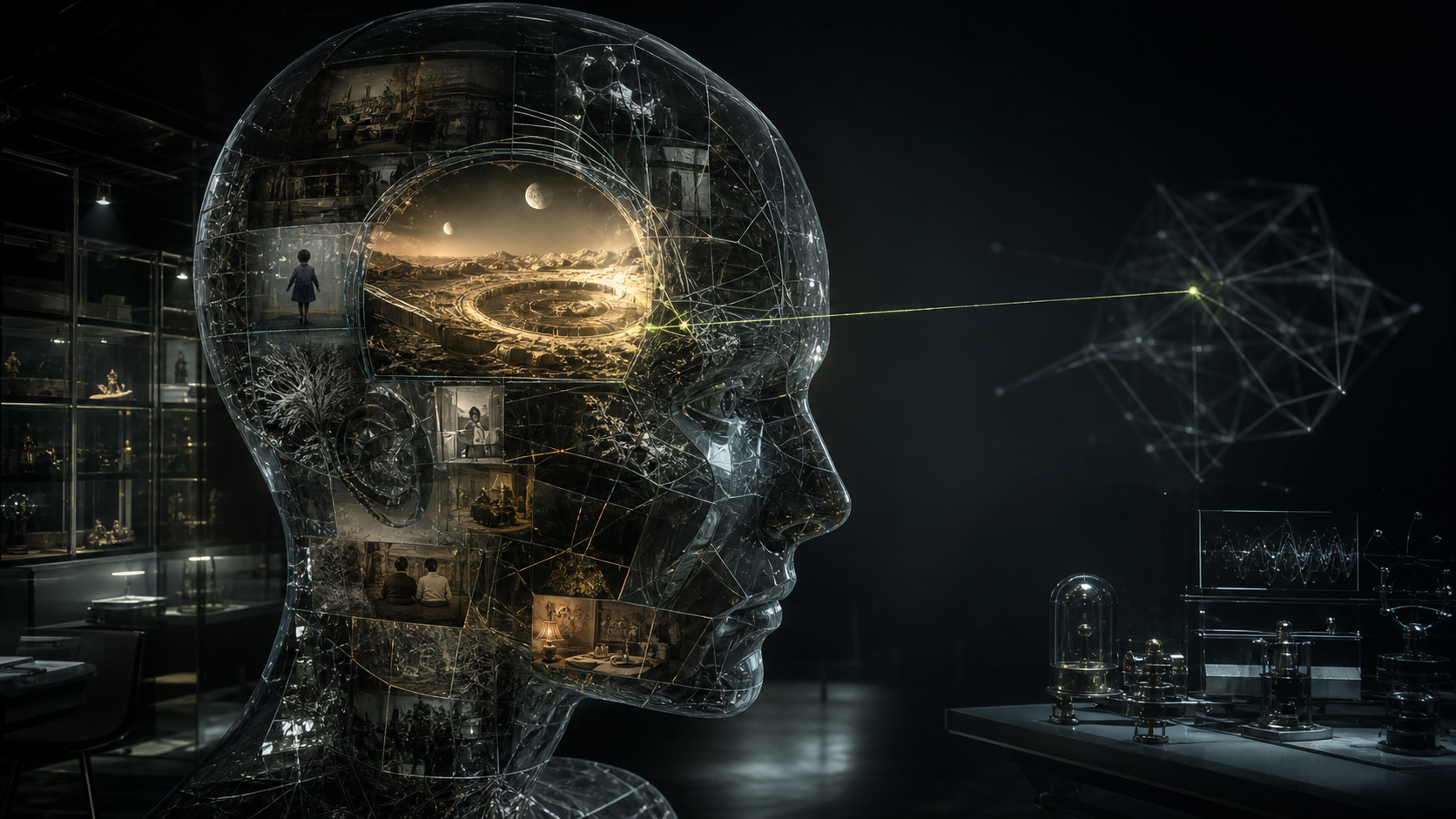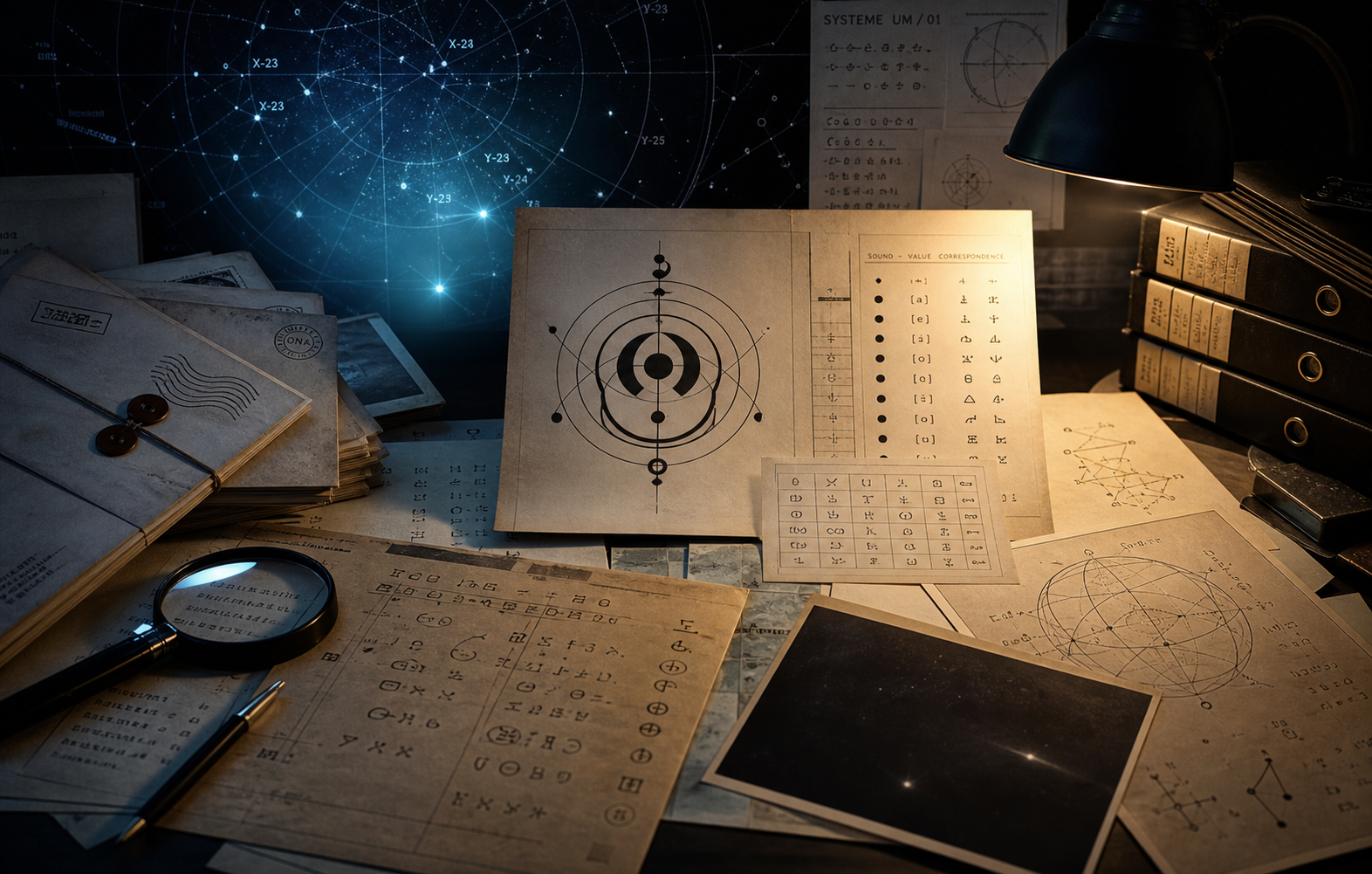
What if meeting another intelligence meant no longer knowing where one’s own mind ended? Metempsychosis — the passage of a soul, consciousness or life-principle into another body — offers an ancient grammar for imagining contact. Ufology adds white rooms, missing time, examined bodies and fractured memories. Between them lies an open zone: contact occurring first in psychology.
This article brings together studies of memory, dissociation and sleep paralysis, then places them alongside accounts of past lives, possession and abduction. Documented psychological mechanisms do not necessarily explain every account, but they show how a body can host a presence experienced as foreign. The ufological hypothesis goes further: perhaps a non-human intelligence would not need to cross our atmosphere to meet us. It could cross our model of the self.
1. Metempsychosis: changing bodies without dying
In Pythagoreanism and Platonism, metempsychosis means the transmigration of the soul. In Plato, identity can survive one body and enter another. Hindu, Buddhist and Jain doctrines of rebirth are not identical, but share a dizzying question: what is transmitted when a person changes their support?
The contemporary version shifts this question. It is no longer a soul waiting for death to migrate, but a consciousness overlapping with another: two biographies in one brain, two intentions in one gesture, or a body becoming the interface of an absent mind.
2. Doubles, presences and shared bodies
Extreme cases appear in religious and clinical archives: possession, ecstasy, multiple identities, out-of-body experiences and the feeling of being watched by an invisible double. Dissociation describes breaks in the integration of memory, identity, perception or control of actions. It proves no external presence, but makes a very concrete experience of inner coexistence conceivable.
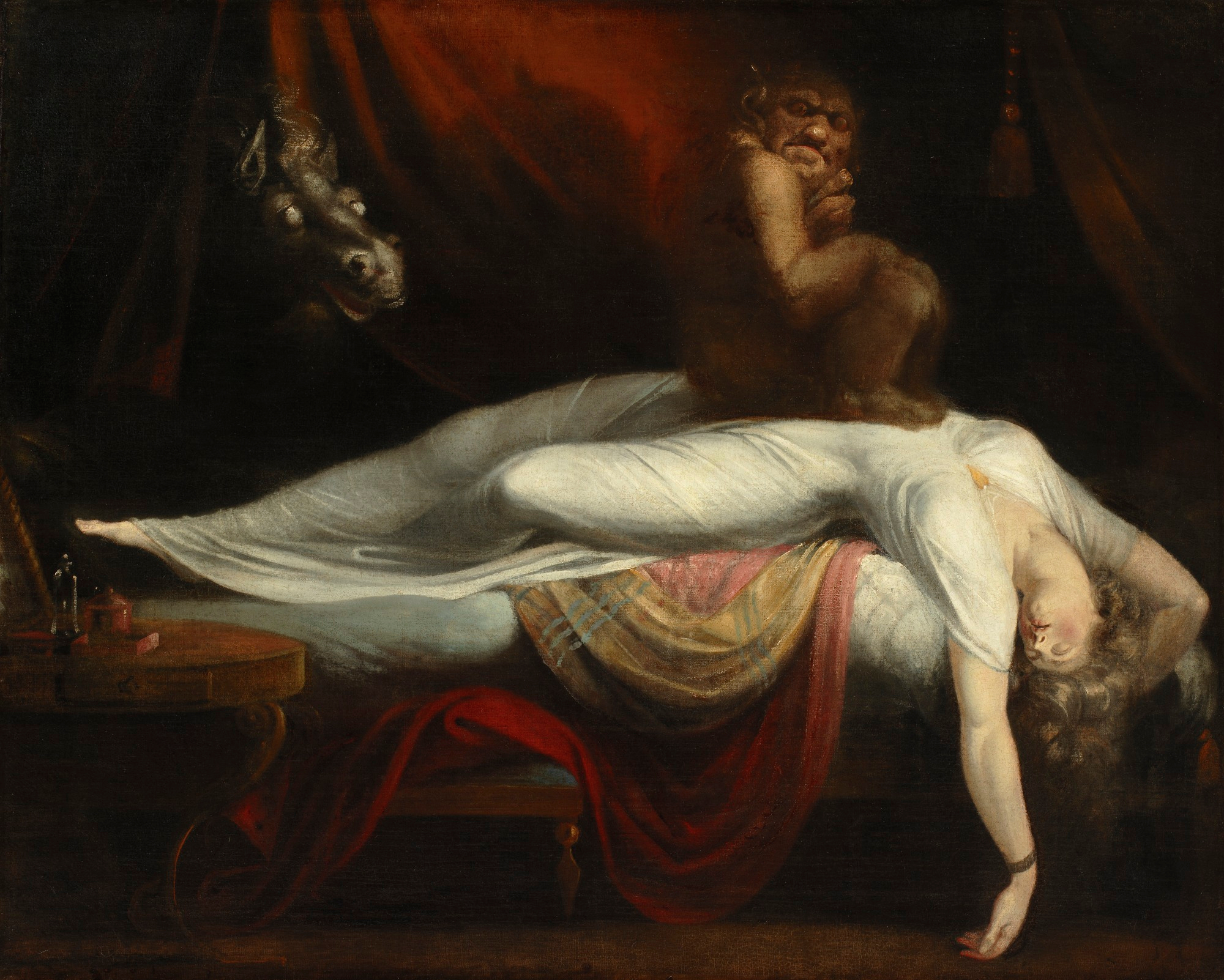
The brain can also produce a presence in space. Stimulation of temporoparietal regions has elicited impressions of a double or invisible agent. In sleep paralysis, a person is awake but unable to move; visual hallucinations, chest pressure and an intruder at the bedside are common. Folklore calls it a demon, djinn, witch or visitor. Ufology sometimes calls it an abducter.
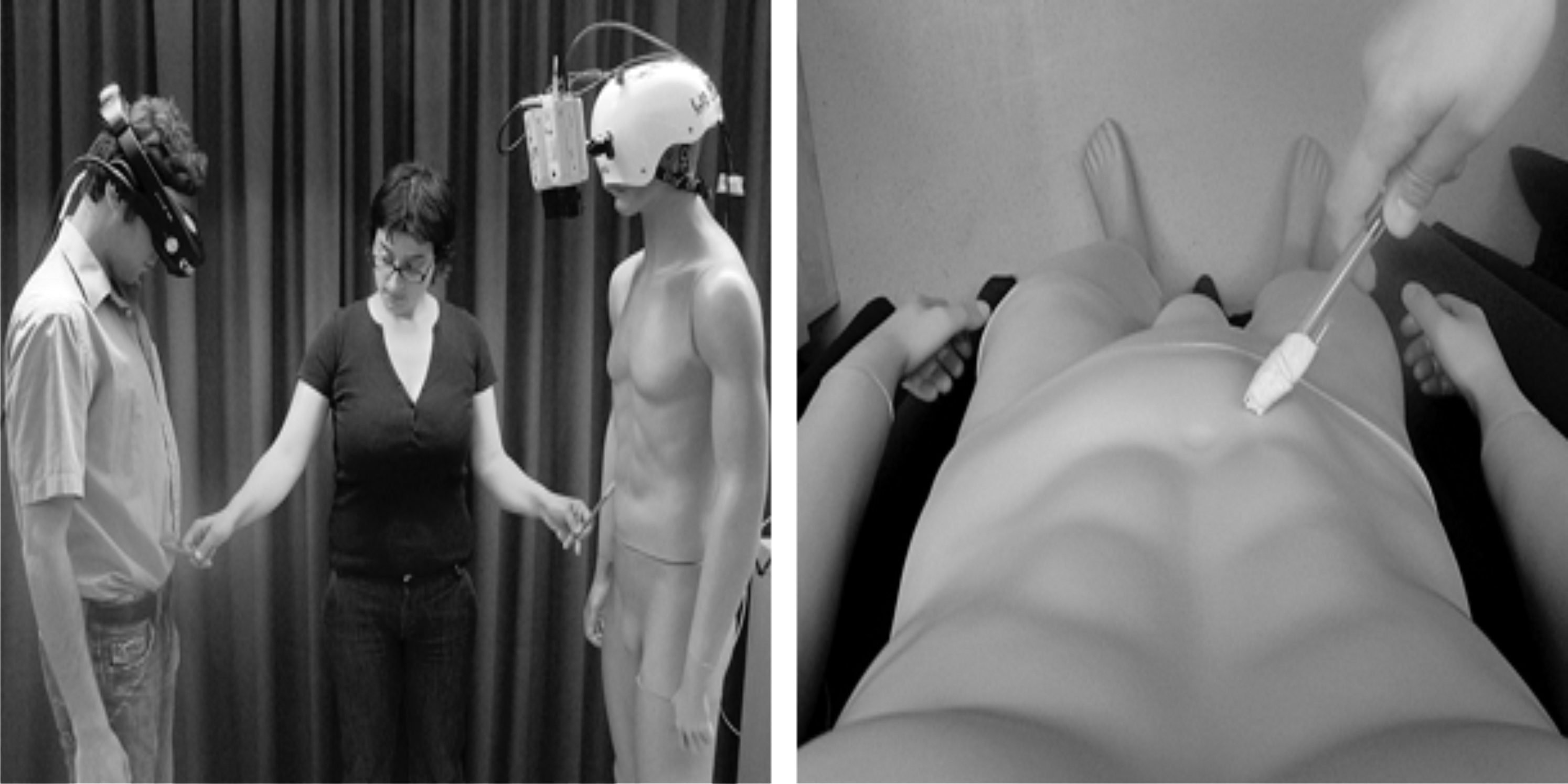
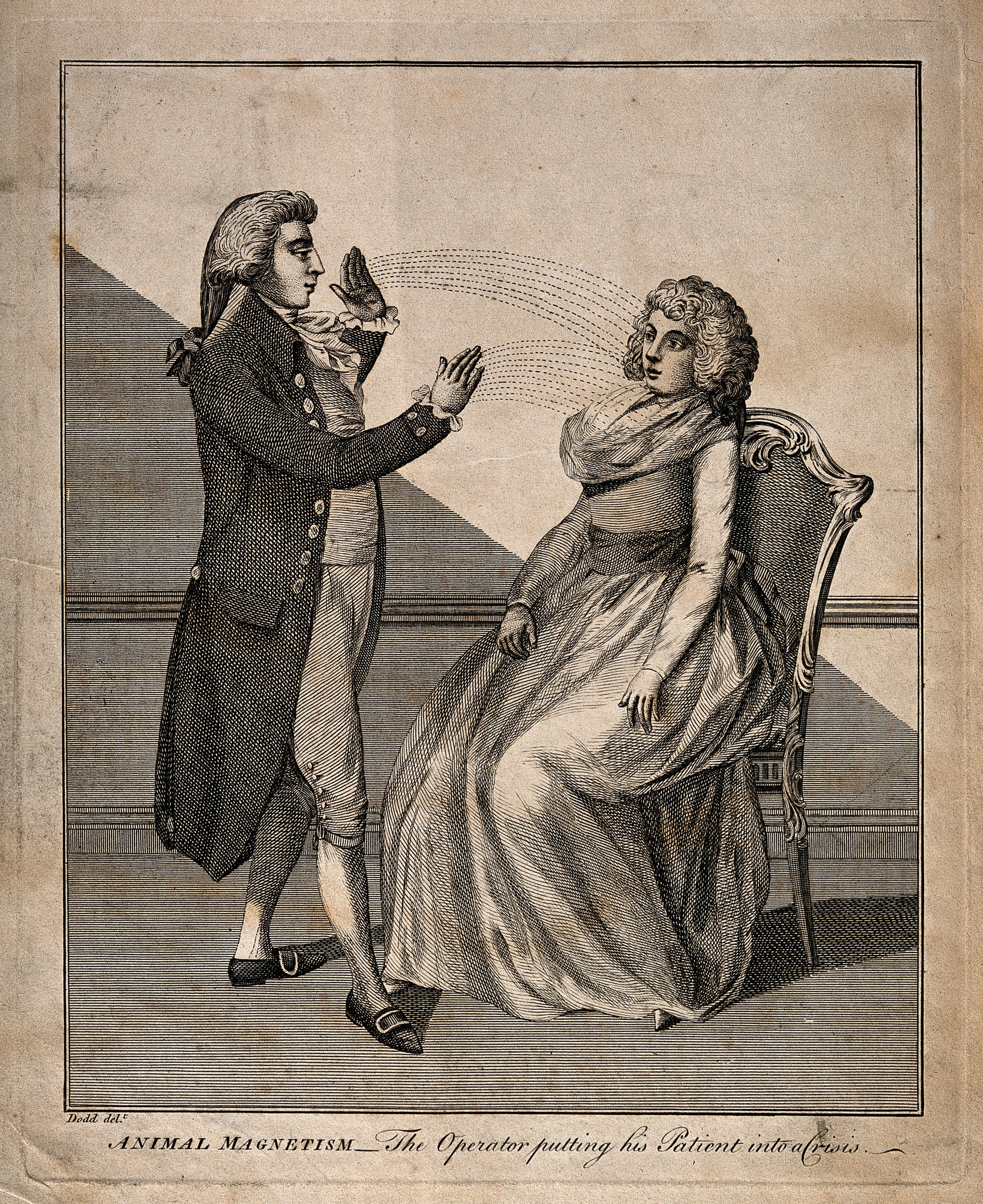
Laboratory body-swap illusions reveal how mobile this border is. In If I Were You, first-person perspective and synchronous touch can make a mannequin’s or another person’s body feel like one’s own. If an unknown intelligence mastered this plasticity, metempsychosis could become a perceptual technology.
3. The extreme case: abduction as inverted metempsychosis
In abduction accounts, the body is carried away, immobilised, examined and sometimes hybridised. Yet the most radical event could be invisible: a change in memory, personality or the feeling of inhabiting one’s own body. Clancy and McNally studied memory distortion in people reporting alien abduction. Their results connect these accounts with susceptibility to false memories; other work links them with suggestibility, PTSD and dissociation.
For ufological speculation, this vulnerability becomes a possible passage. Could a very advanced civilisation communicate by installing not an object, but a second narrative trajectory in the brain? The person would not be possessed in the religious sense. They would become the site of a coexistence: childhood, dreams and sensations serving as material for a foreign consciousness.
4. Cases at the edge of reality
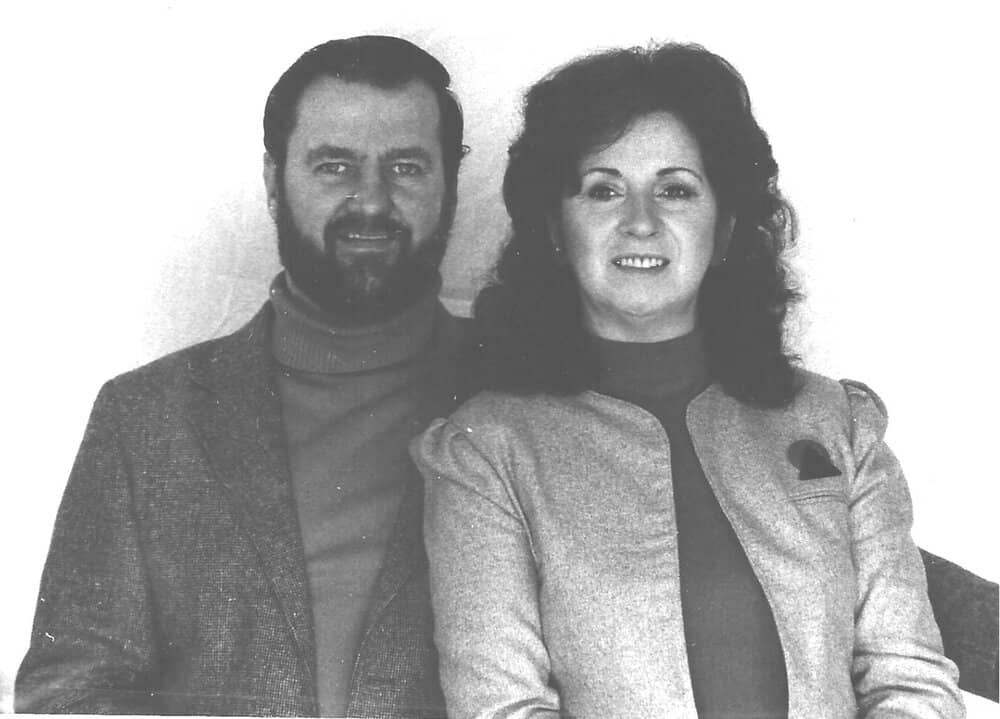
Betty and Barney Hill: the recovered narrative
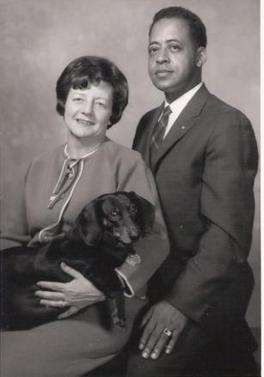
In 1961, Betty and Barney Hill reported an interrupted journey, missing time and later memories of an examination aboard a craft. Part of the story took shape under hypnosis and became the narrative template for modern abduction: paralysis, bodily examination, telepathic communication, amnesia and fragmentary return. What if incomplete memory were not a defect in contact, but its form?
Pascagoula: two minds under surveillance
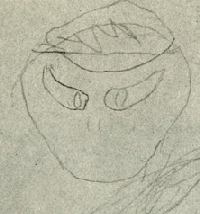
In 1973, Charles Hickson and Calvin Parker claimed they were taken by entities near the Pascagoula River. Police secretly recorded them after questioning; believing themselves alone, both men continued to express fear. This does not establish an extraterrestrial cause, but their terror becomes an independent fact: something passed through their psychology, whatever its origin.

Betty Andreasson: fourteen sessions to recover another story
Betty Andreasson Luca claimed that in January 1967, in her Massachusetts home, small beings passed through a closed door, suspended her family in immobility and took her elsewhere. The account combines bodily examination, telepathic communication, out-of-body travel, symbolic visions and Christian motifs. It resembles an initiation as much as a journey.
A decade later, a team led by Raymond E. Fowler conducted an extended investigation, including interviews, tests and fourteen hypnotic-regression sessions. Fowler published The Andreasson Affair in 1979 and several sequels. Under hypnosis, Andreasson described beings entering like ghosts, rooms, transformations of matter and episodes in which identity seemed to detach from the body.
The repeated sessions weaken the evidential value of the narrative: each return can elaborate the previous one, and vivid memory is not necessarily accurate memory. Yet this is why the affair sits at the centre of our hypothesis. The witness becomes the involuntary author of a coherent interior world. If an intelligence wanted to merge with a human, might it choose precisely this zone where imagination, belief, memory and bodily sensation cannot be separated?
5. From the third to the fourth kind
In J. Allen Hynek’s classification, a close encounter of the third kind involves observing occupants or entities. The fourth category, later added in ufological culture and associated with Jacques Vallée, concerns abduction or a profound transformation of one’s relation to reality. The third kind shows another being. The fourth brings that being into the biography.
One can imagine a psychological scale: first a light, then a silhouette, then a body beside an object, finally an intrusion leaving no trace except a new mental architecture. At this last degree, the encounter no longer happens somewhere. It happens inside the pronoun I.
6. Two minds, one narrative
The strangest speculation would be an incomplete fusion. Two consciousnesses would not fully merge; they would answer one another through dreams, intuitions, automatic gestures and memories seeming to belong to someone else. None of these cases proves mental exchange. They form, however, a phenomenology of the border.
Past-life memories studied by Ian Stevenson, possession experiences analysed by anthropology and abduction testimonies create a shared theatre: a body becomes the support for a story that exceeds it. The A.L.I question is not only “is it true?” It is also: what independent information would distinguish an encounter from an interior fabrication?
7. Literature, cinema and art
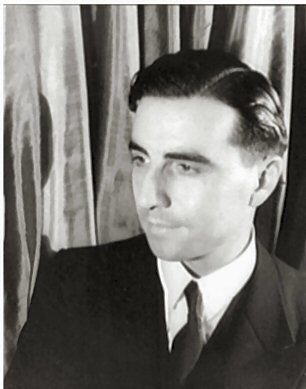
Julien Green’s 1947 novel If I Were You is the essential literary double of this hypothesis. Fabien Especel, exhausted by being himself, receives from the mysterious Brittomart the power to enter other people’s bodies. He seeks freedom but discovers that changing bodies does not release him from identity. Brittomart resembles a technological alien capable of opening a door in the feeling of being oneself.
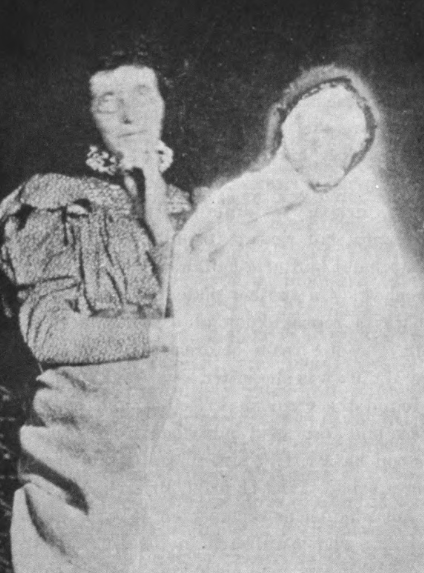
Maupassant’s The Horla turns an invisible presence into a progressive occupation of the will. Dostoevsky’s The Double, Jack Finney’s The Body Snatchers and Philip K. Dick’s unstable realities each ask who inhabits perception when the self becomes transmissible.
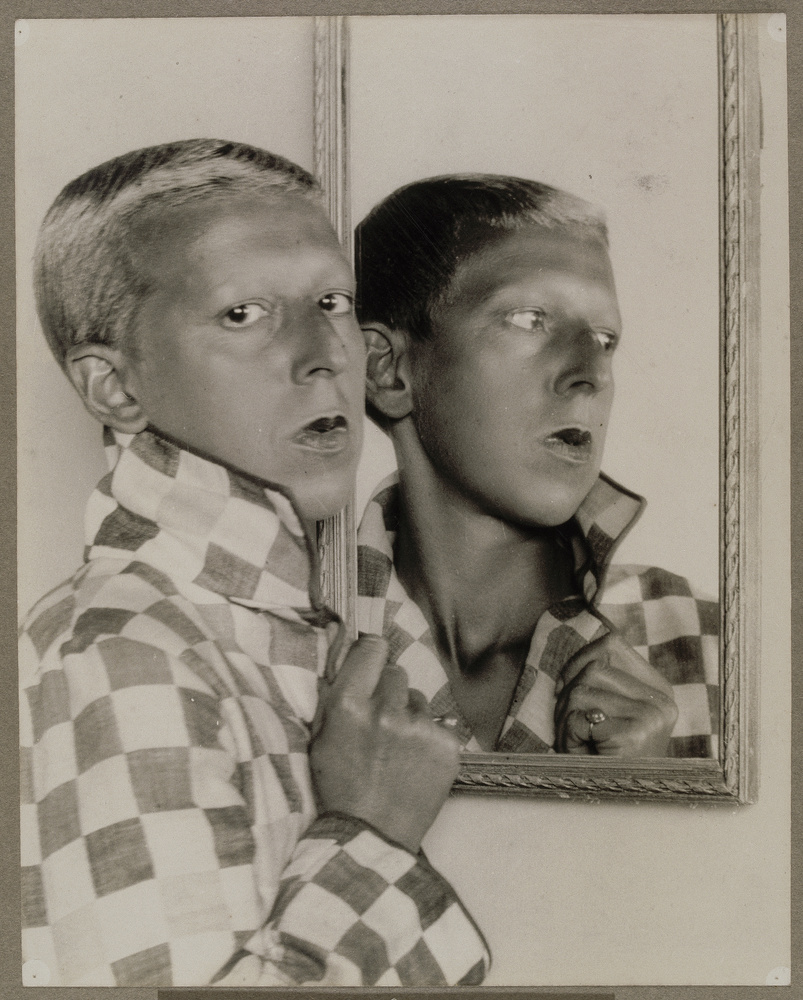
In cinema, Bergman’s Persona draws two faces toward fusion; Being John Malkovich makes a brain into a visitable room; Żuławski’s Possession turns psychic rupture into an organic double; Under the Skin gives a human body to a non-human gaze; and Get Out traps consciousness inside its own body. Fuseli, Claude Cahun, Tony Oursler and Pierre Huyghe similarly make bodies, projected voices and non-human systems into unstable sites of agency.
8. The impossible protocol
To make this zone testable, several isolated witnesses could record their dreams before communicating, while investigators look for precise details appearing simultaneously and verify information unknown to all of them. A real fusion should produce more than a shared emotion: a rare, dated and reproducible datum inaccessible through ordinary channels.
But the most unsettling hypothesis resists this protocol. If the entity modifies precisely the memory that should serve as evidence, the absence of a trace becomes its best camouflage. Abduction would then be a close encounter of the fourth kind not because a body was transported, but because the border between memory, dream and event was made uninhabitable.
References
- Stanford Encyclopedia of Philosophy, Reincarnation.
- The Assessment of the Phenomenology of Sleep Paralysis.
- Clancy et al., Memory distortion in people reporting abduction by aliens.
- PTSD, suggestibility and dissociation related to alleged alien abductions.
- Center for UFO Studies, classification systems.