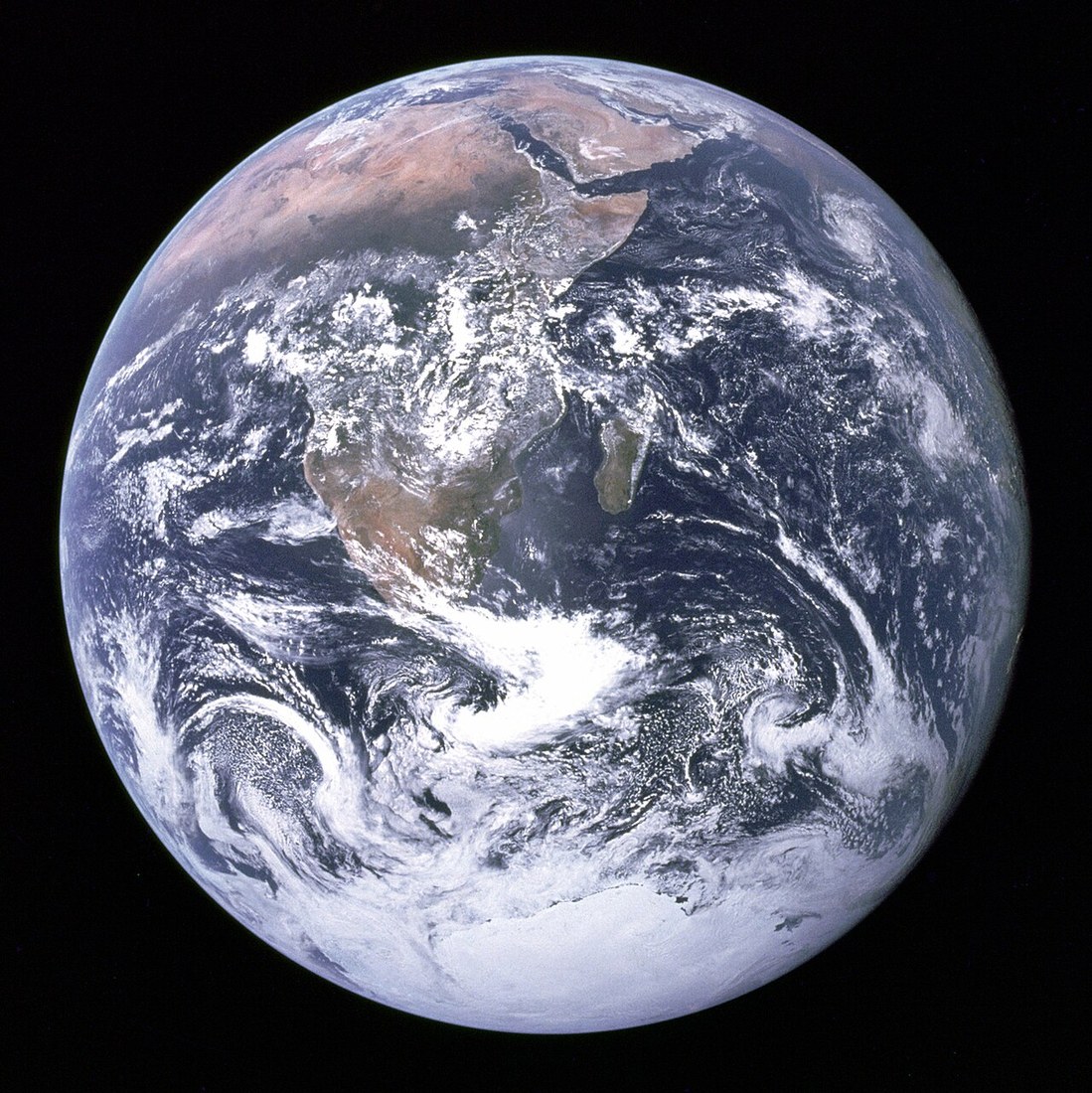
The Gaia hypothesis, formulated from the work of James Lovelock and developed with Lynn Margulis, proposes a powerful idea: Earth is not merely an inert support on which life appears, but a self-regulating system in which atmosphere, oceans, rocks, climates, bacteria, plants, animals and chemical activities help maintain conditions relatively favorable to life. Gaia is not necessarily a goddess, nor a planetary consciousness in a mystical sense. In its scientific core, it describes a planet functioning as a coupled whole, with feedback loops, unstable equilibria and emergent regulations.
For A.L.I, this hypothesis opens an essential shift: if a planet can be thought of as a global organism, then an extraterrestrial language should not only be sought in the productions of a localized species. It might be inscribed in the rhythms of an entire world: atmospheric composition, climatic oscillations, biological symbioses, mineral cycles, electromagnetic signals, root networks, migrations, clouds, oceans, ionosphere. The question becomes: how do we listen to a planetary body?
Gaia: a hypothesis of regulation
In the 1970s, Lovelock observed that Earth’s atmosphere is far from the chemical equilibrium expected for a merely mineral planet. The simultaneous presence of oxygen, methane, nitrogen and other compounds indicates continuous activity. Margulis, a microbiologist, brought a decisive support: microbes, symbioses and cellular evolution show that life deeply transforms its environment. The atmosphere is not a background: it is a historical product of life.
The strength of Gaia lies in this inversion. Life does not simply adapt to the planet; it modifies the planet which, in turn, modifies life. Organism and environment can no longer be strictly separated. The biosphere becomes a system of relations, a machine of equilibria, a collective writing recomposed at every scale.

From planetary body to stellar bodies
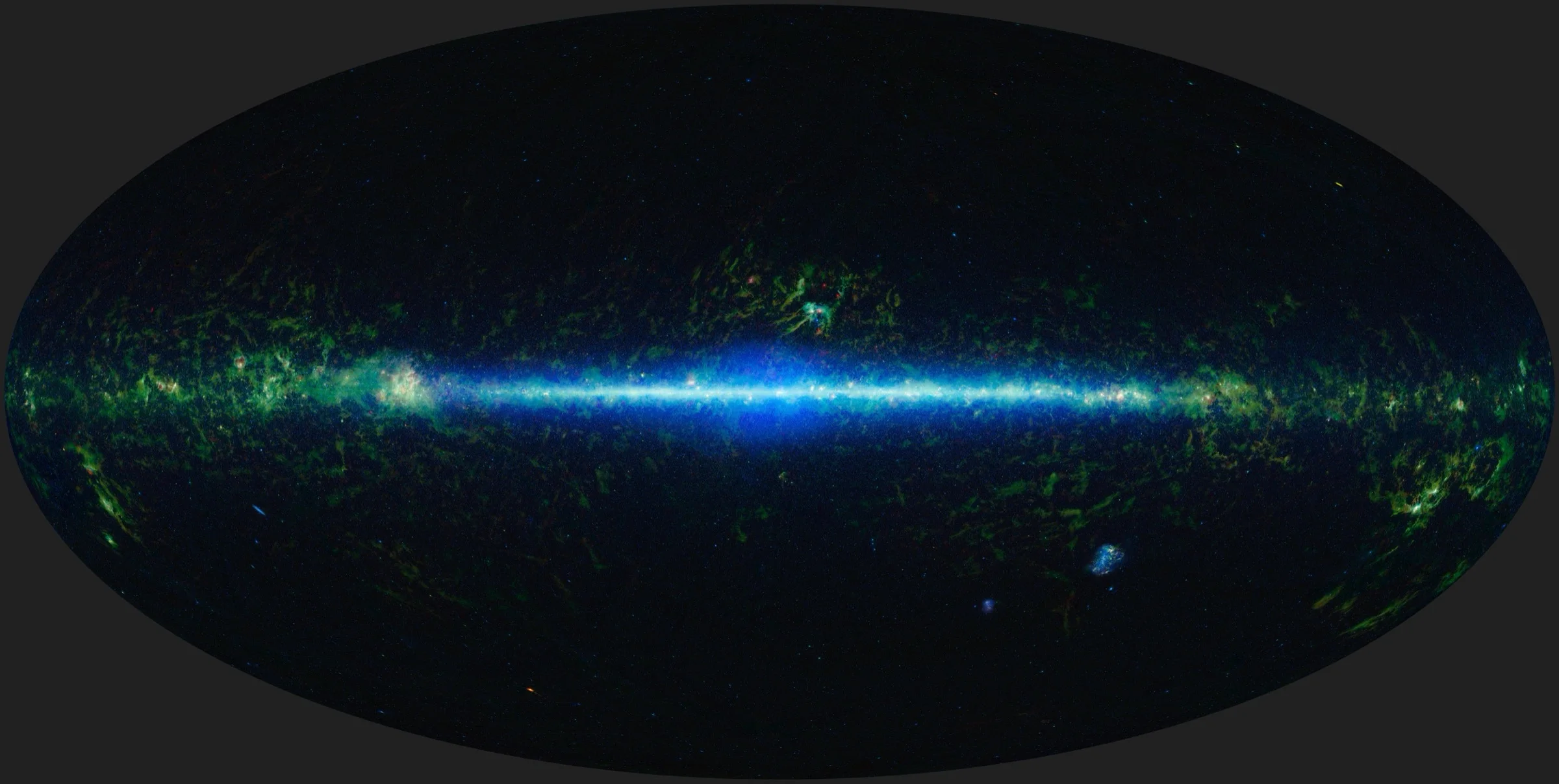
If Gaia is extended, one can speak of stellar bodies: planets, stars, planetary systems, nebulae, galaxies. Of course, not all of them are alive in a biological sense. But each organizes flows: energy, matter, magnetic fields, plasma, dust, radiation, gravitation. A star is a thermonuclear body; a planet is a geochemical body; a galaxy is a gravitational body; a solar system is a dynamic ecology of orbits, resonances and transfers.
The A.L.I question is not to claim that these bodies think like us. It is to ask whether an extremely vast body can produce forms of coherence which, at its own scale, resemble behaviors: self-regulation, memory, critical thresholds, attractors, cycles, signals. In this frame, an extraterrestrial message might not be a sentence sent by a mouth, but a modulation in the regimes of a celestial body.
Brain and universe: a comparison across distance
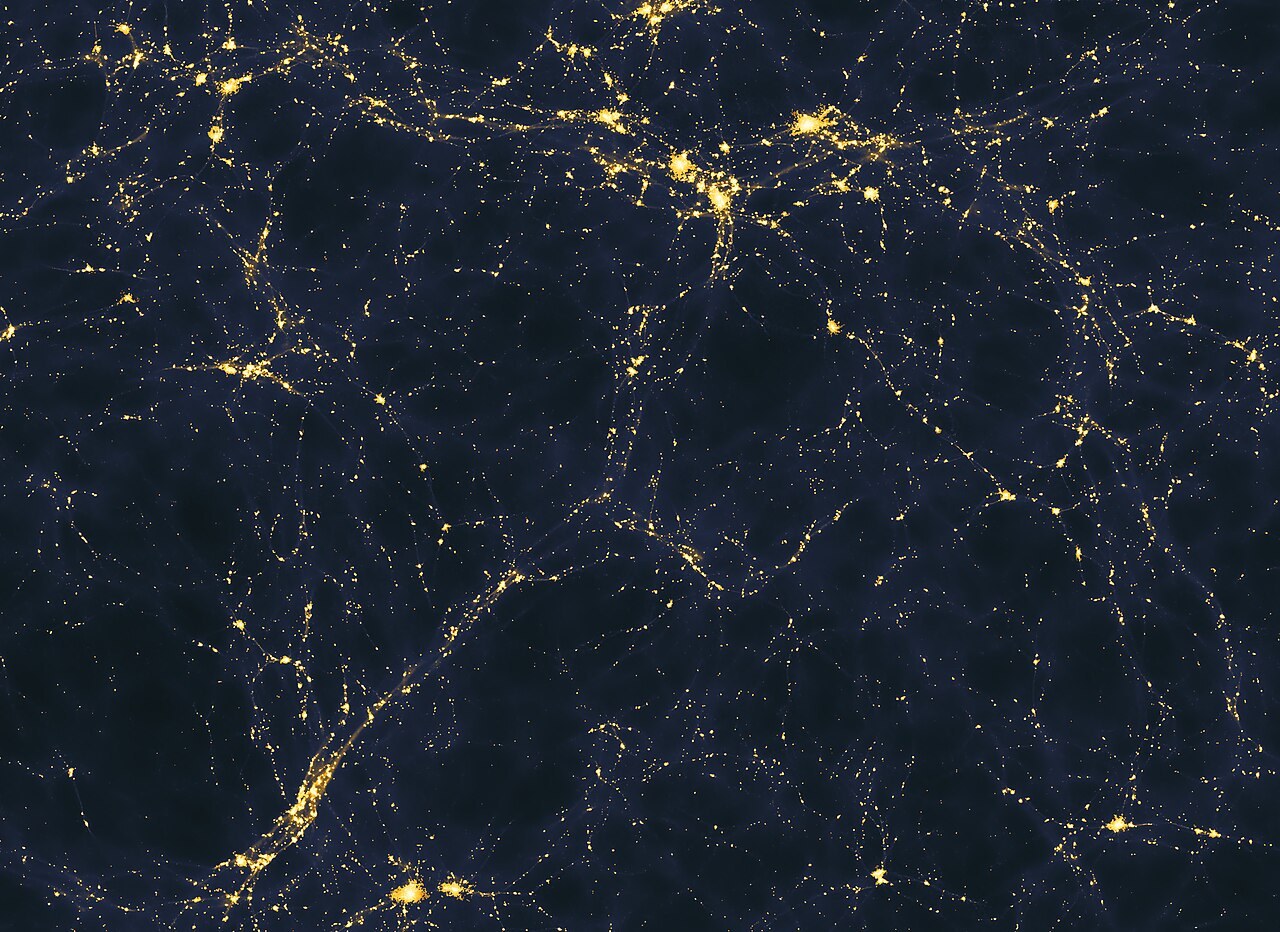
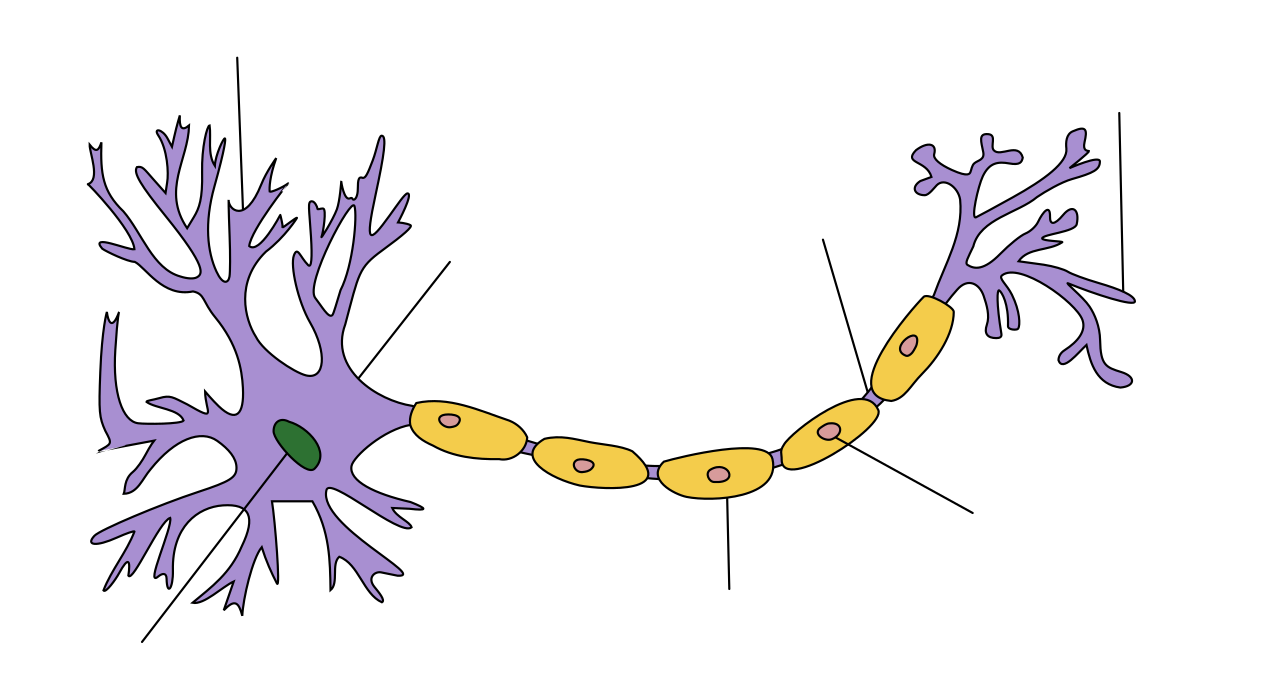
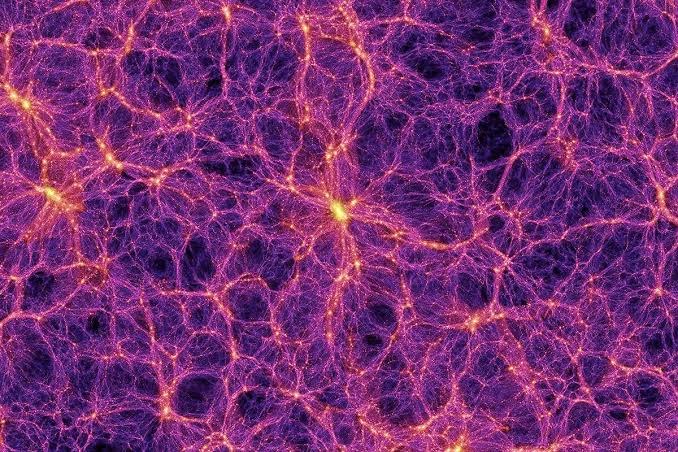
In recent years, researchers have compared the structure of the cosmic web and certain neuronal networks. The article by Franco Vazza and Alberto Feletti, published in Scientific Reports in 2020, is often cited because it quantitatively examines similarities between matter distribution in the universe and the organization of neuronal networks, especially in the cerebellum. The two systems are separated by vertiginous scales, yet both display network motifs: nodes, filaments, voids, connections and hierarchical organization.
Comparative analysis of scales
The comparison requires that visual resemblance and scientific equivalence are not confused. The orders of magnitude are enormous.
| System | Typical size | Connected units | Type of link |
|---|---|---|---|
| Human brain | About 15 to 18 cm | About 86 billion neurons | Synapses, axons, electrochemical signals |
| Local neuronal network | Micrometers to centimeters | Neurons, dendrites, axons | Impulses, plasticity, learning |
| Earth / Gaia | 12,742 km in diameter | Atmosphere, oceans, soils, biosphere | Biogeochemical cycles, climate feedbacks |
| Cosmic web | Millions to billions of light-years | Galaxies, clusters, filaments, voids | Gravitation, dark matter, cosmic expansion |
| Observable universe | About 93 billion light-years in diameter | Galaxies, gas, dark matter, radiation | Global cosmological structure |
The human brain measures less than 20 centimeters, while the observable universe is roughly 8.8 × 1026 meters in diameter. The scale ratio is on the order of 1027 to 1028. Yet at very different levels one finds abstract principles: sparse networks, uneven densities, highly connected nodes, low-density zones, circulation of signals or flows, and dependence on a formation history.
It is therefore inaccurate to say: the universe is a brain. It is more rigorous to say: some structures of the universe and some brain structures can be compared as complex networks. The resemblance then becomes a tool for thought, not a proof of identity.
The mirror hypothesis: the brain as structural miniature
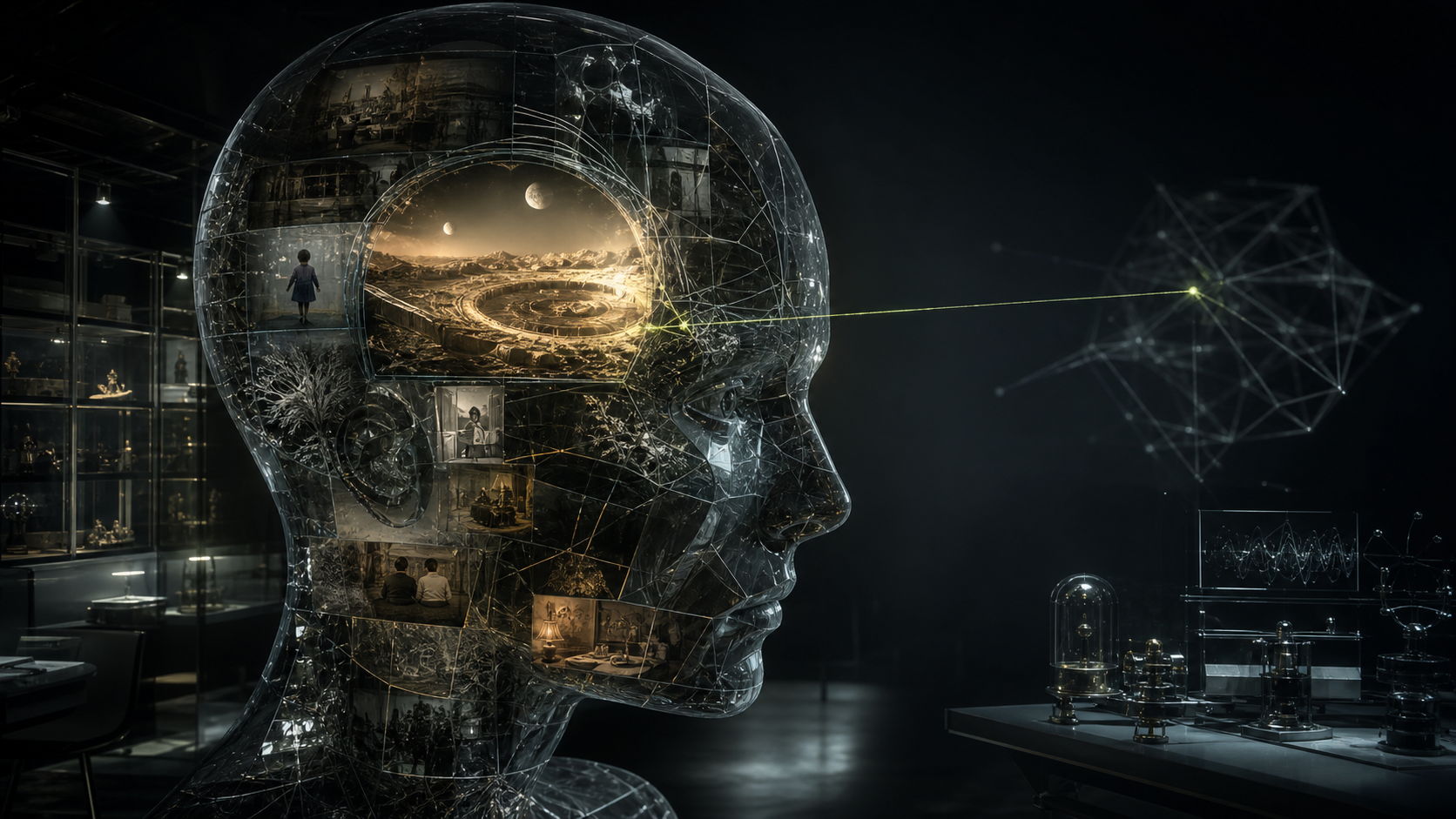
The speculative hypothesis proposed here is this: the brain may be a miniature not of the material universe, but of a universal mode of organization. When many elements interact under constraints of energy, distance, connection economy and memory, they can produce analogous architectures: filaments, hubs, hierarchies, loops, silent zones, local synchronizations.
From this perspective, our brain is not a magical copy of the cosmos. It would rather be a local occurrence of a more general logic: that of systems learning to organize flows. The cosmos organizes matter through gravitation; the brain organizes information through connection; Gaia organizes the conditions of life through feedback. Three scales, three matters, but one shared question: how does a system become more than the sum of its parts?
Consequences for A.L.I
If the hypothesis of global organisms is taken seriously, A.L.I can expand the notion of language. A language would no longer be only a discrete code between individuals. It could be:
- planetary: atmospheric variation, global chemistry, seasonal cycles, biosignature spectra;
- stellar: luminous modulation, magnetic activity, oscillations, plasma rhythms;
- galactic: abnormal energy distribution, artificial structures, coordinated signatures;
- cognitive: brain structures capable of recognizing in the cosmos a form that resembles them;
- artistic: an installation in which brain, Earth and cosmic web become three layers of one reading instrument.
Installation prototype: Gaia Mirror
One could imagine an installation entitled Gaia Mirror. It would combine three data streams: human brain activity, terrestrial climate data and maps of large-scale cosmic structure. The visitor would wear an EEG headset. Their brain rhythms would modulate an image of Earth; climate data would modulate a neuronal map; the cosmic web would serve as the structural background. The installation would not claim that everything is identical. It would make perceptible that radically separated scales can enter a shared visual and sonic grammar.
A program could then search for quantitative analogies: degree distribution, node density, modularity, average path length, silent zones, synchronizations. From these measurements, A.L.I could produce an alphabet of networks: not an alphabet of letters, but an alphabet of relational forms.
Extrapolation: listening to a foreign planet
In exoplanet research, we already look for biosignatures: oxygen, methane, water vapor, chemical disequilibria. A Gaia reading would go further: a living planet may have a dynamic signature, an active stability, a way of correcting disturbances. A non-human intelligence may not inhabit a planet; it may be distributed through its cycles. In that case, communicating with it would mean dialoguing with a global system.
The question then becomes almost vertiginous: if our brain recognizes in the universe forms resembling its own, is it because it projects its structures, or because it was itself born from a universe capable of producing networks? A.L.I can stand in this interval: between human projection and the discovery of a cosmic grammar.
Sources and paths
- James Lovelock & Lynn Margulis, Atmospheric homeostasis by and for the biosphere, Tellus, 1974
- Franco Vazza & Alberto Feletti, The Quantitative Comparison Between the Neuronal Network and the Cosmic Web, Scientific Reports, 2020
- Azevedo et al., Equal numbers of neuronal and nonneuronal cells make the human brain an isometrically scaled-up primate brain, 2009
- NASA - Apollo 17 Blue Marble
- Large-scale structure of light distribution in the universe - Wikimedia Commons