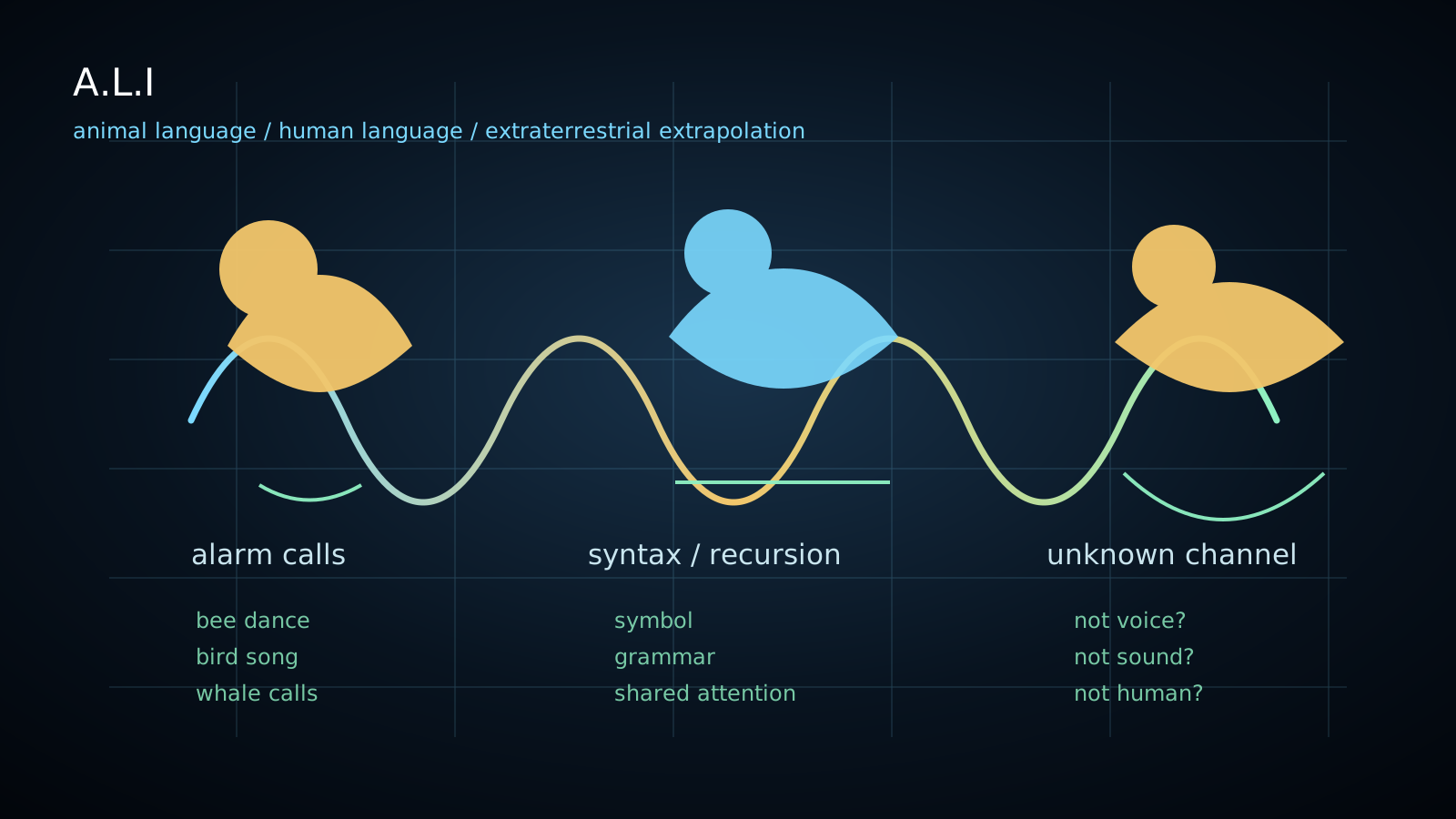
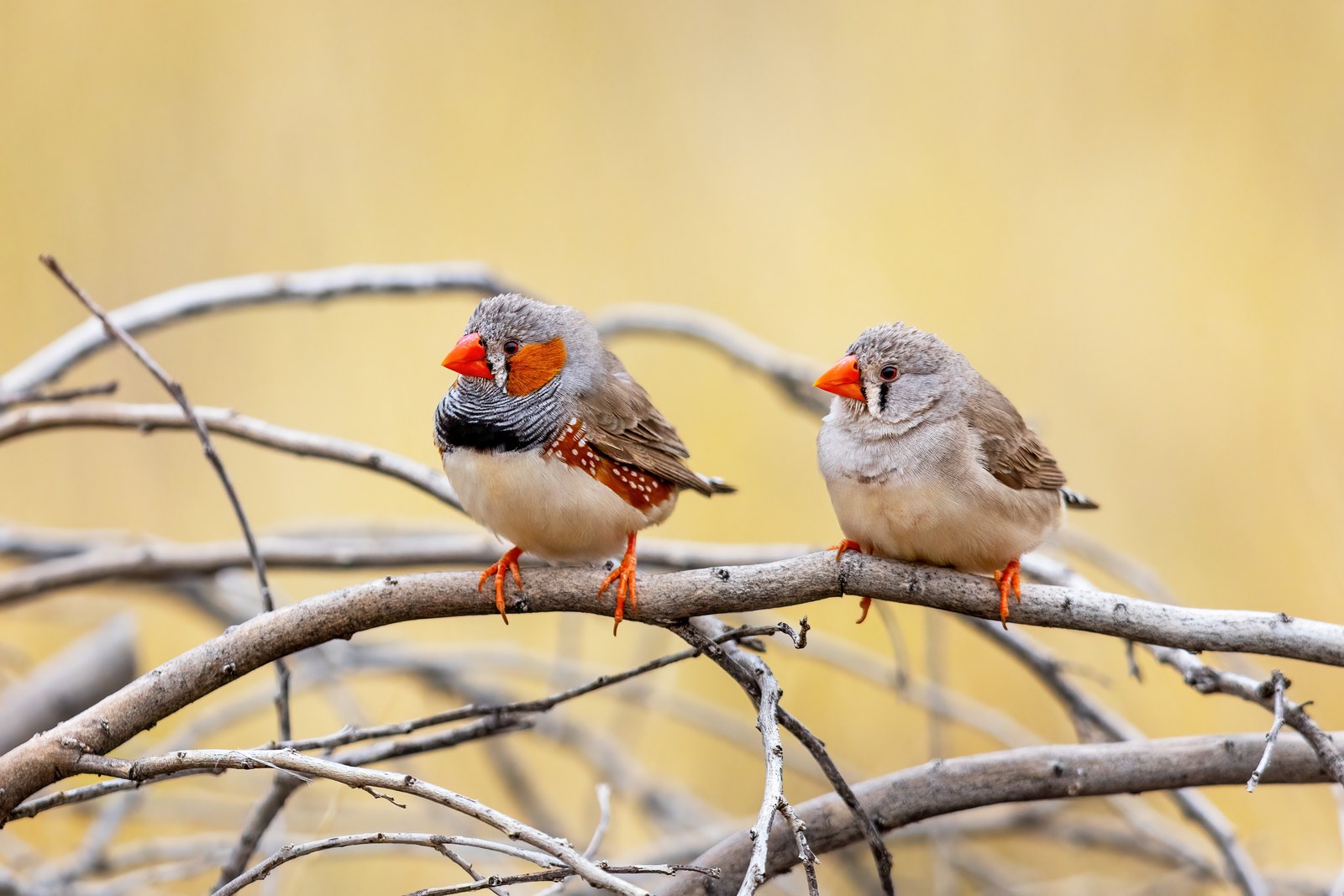
Starting point: a news item relayed by Slate from an article in The Guardian highlights the work of researcher Julie Elie on zebra finches. Her study, awarded the 2026 Coller-Dolittle Prize, shows that these birds do not merely produce sounds linked to emotional states: they manipulate different call types, recognize them, and seem to classify their own vocalizations according to categories of meaning.
The news matters for A.L.I because it shifts the question. We no longer ask only: do animals communicate? We ask: do their signals carry categories stable enough to be recognized, tested, compared, modeled, and perhaps translated? This is precisely the problem of interstellar contact: detecting a signal is only the beginning. We then need to know whether a structure of meaning exists behind the variation.
1. What the Zebra Finch Study Shows
Zebra finches produce a rich repertoire of vocalizations: songs, contact calls, hunger calls, danger calls, calls linked to stress, social interactions, or mate seeking. Julie Elie's work distinguishes eleven call types and shows that birds do not confuse them randomly.
The strength of the study is experimental: when birds are asked to associate sounds with responses, their mistakes do not follow acoustic similarity alone. They confuse more often calls that belong to semantically related categories. In other words, classification seems not only sonic; it is also semantic. The birds may possess a kind of internal map of the functions of their calls.
This is a subtle but major advance. It does not mean zebra finches speak like humans. It means that an animal can possess a vocal system in which acoustic form, social situation, and communicative function are linked strongly enough to be studied as a proto-lexicon.
2. A Long History: From Darwin to Bees
The study of animal language begins long before AI. Darwin, in The Expression of the Emotions in Man and Animals, opened a path by treating animal expressions as organized, inherited, functional forms, not as mere noises. This was not yet language in the linguistic sense, but it already established continuity between body, emotion, sign, and behavior.
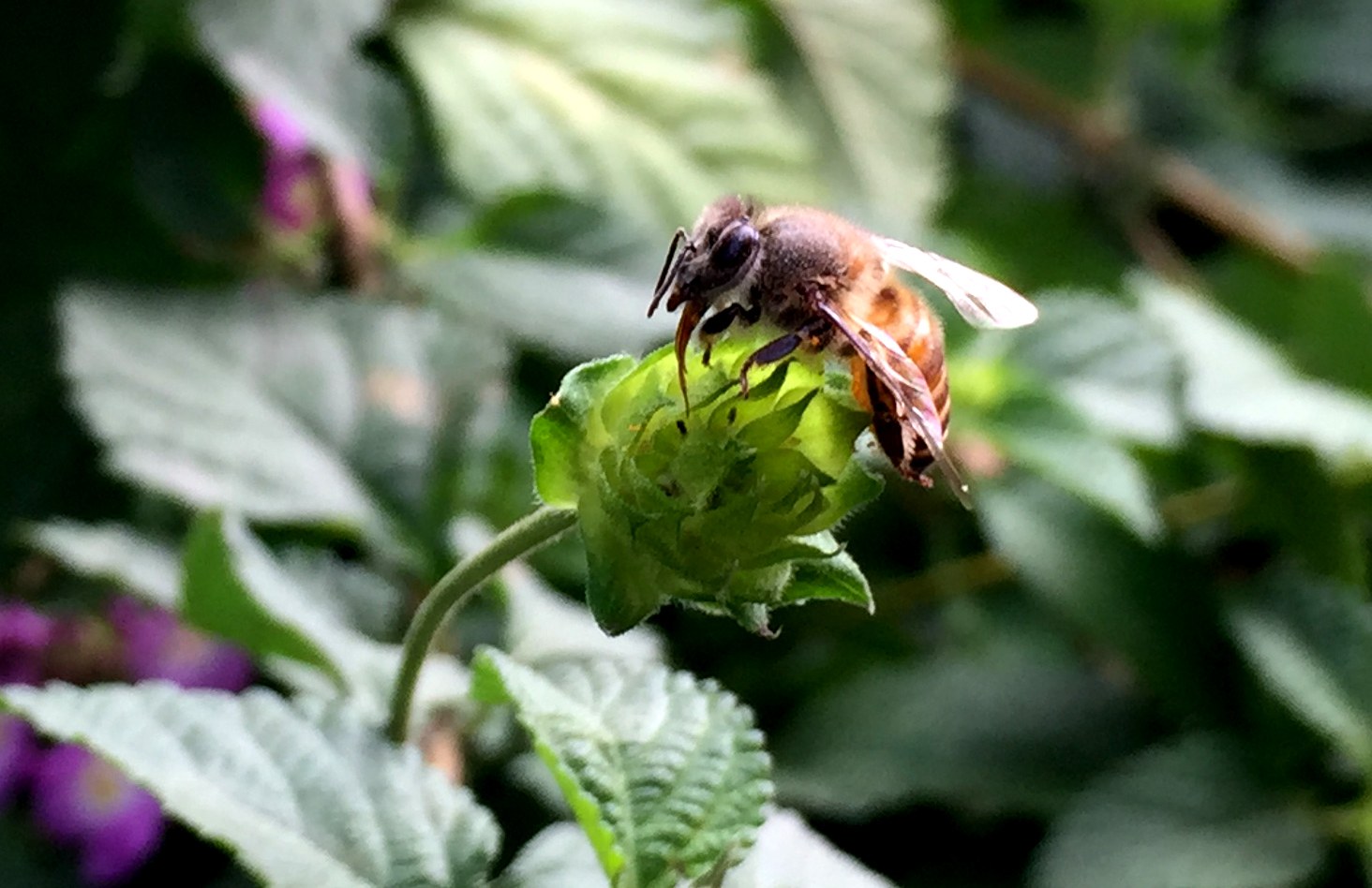
In the twentieth century, Karl von Frisch showed that bees communicate the direction and distance of a food source through the waggle dance. This case is decisive because it links gesture, space, collective memory, and action. Information is not a metaphor: it truly orients the colony.
This model matters for A.L.I: a message can be spatial rather than verbal, embodied rather than written, collective rather than individual. The bee dance reminds us that language is not always made to represent the world; it can be made to coordinate movement within the world.
3. Alarms, Names, Signatures: Animals Categorize
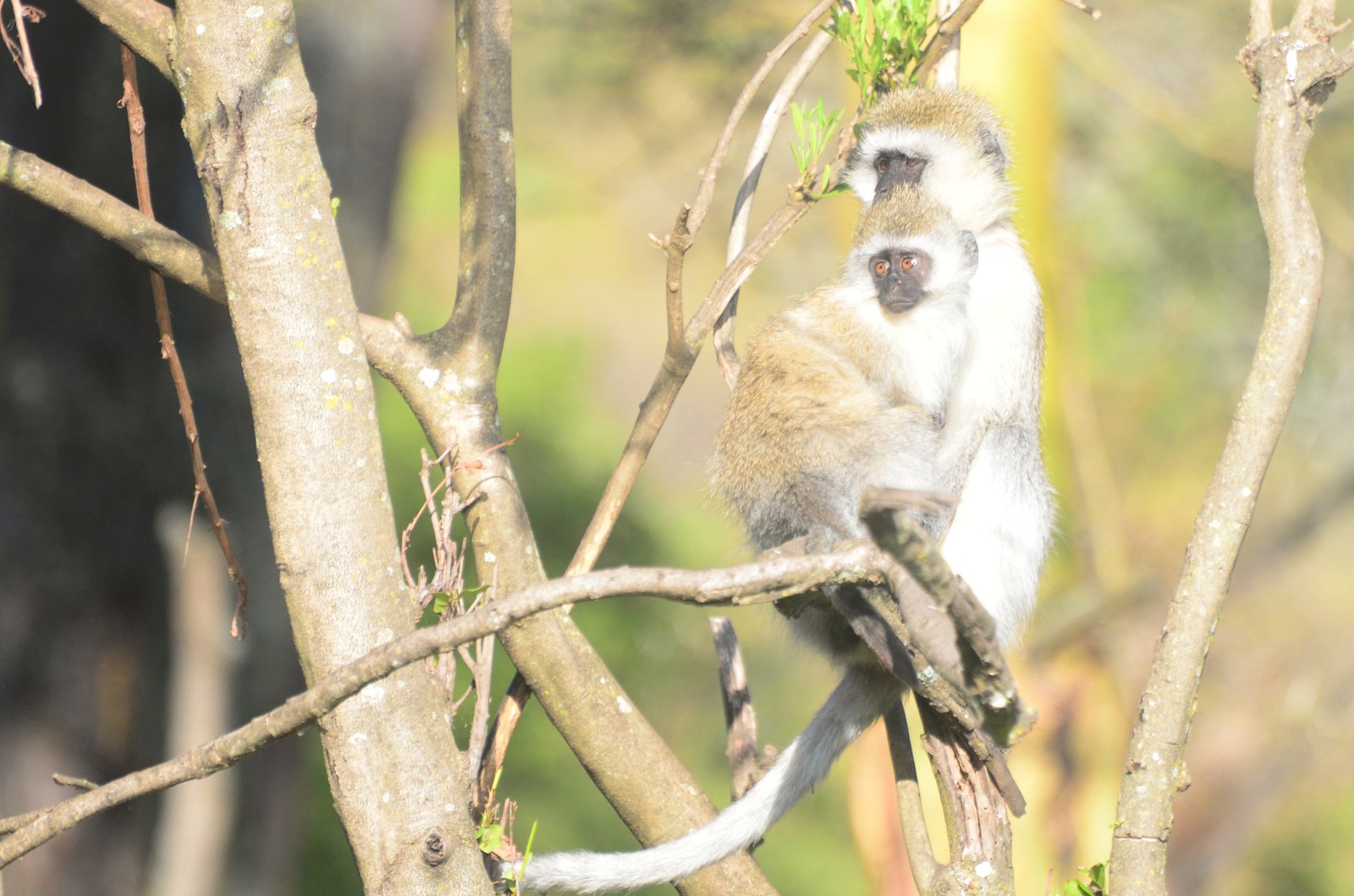
Vervet monkeys have long been studied for their differentiated alarm calls: some calls signal an eagle, others a leopard, others a snake, and group members respond with adapted behavior. In dolphins, signature whistles function as individual markers. In parrots studied by Irene Pepperberg, Alex showed capacities for discriminating color, shape, number, and material that deeply influenced comparative psychology.
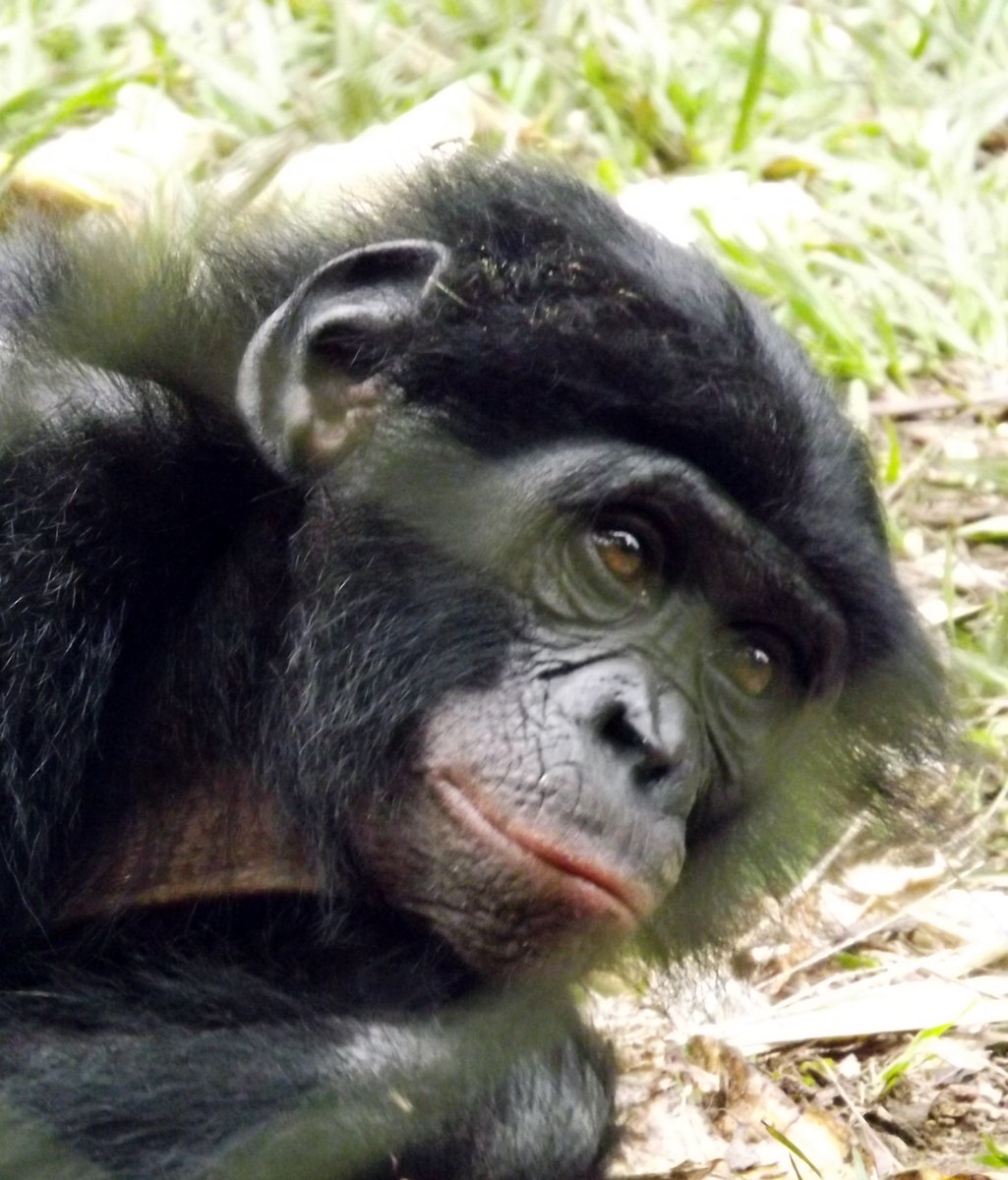
In bonobos, work on vocal sequences and experiments with Kanzi also raised a difficult question: can we speak of syntax, composition, symbolic understanding? The answers remain cautious, but they force us to abandon an overly simple separation between human language and animal communication.
4. Whales: When AI Listens to Sonic Civilizations
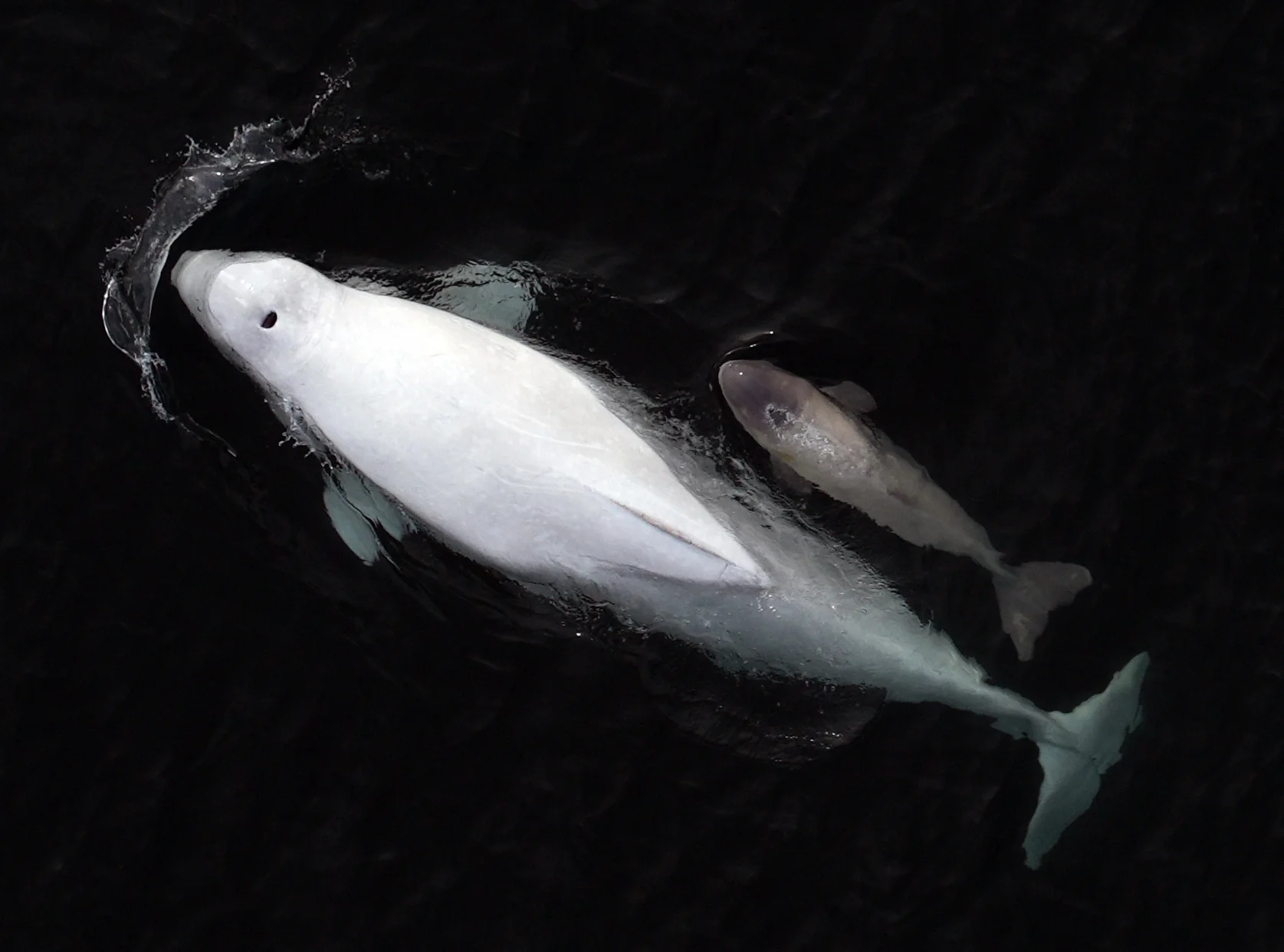
Whales, especially sperm whales, have recently shifted the scale of the problem. Project CETI uses machine learning to analyze codas, the sequences of clicks exchanged by sperm whales. Recent research has proposed describing their productions with notions close to a phonetic alphabet: tempo, rhythm, rubato, ornamentation, structured variations.

Interactive demo: Listen to the whales, a Project CETI experience that lets visitors enter sperm whale sounds, archives, and visualizations. If the iframe is blocked in some browsers, the link opens the demo directly.
What changes with AI is not only the amount of data processed. It is the possibility of searching for structures the human ear does not notice: fine variations, contextual correlations, individual signatures, sequences, turn-taking, delayed responses. The animal becomes a living corpus, situated in an environment, and AI becomes an instrument of augmented listening.
5. Ethology: Understanding the Sign in Its Environment
Ethology is essential here. It studies animal behavior in living conditions: movement, reproduction, learning, social hierarchies, care, conflict, cooperation, attention to the environment. Without ethology, we risk extracting a sound from its context and turning it too quickly into a word. An animal call is not only an acoustic form: it is a situated event, produced by a body, in a social scene, with observable effects.
Major figures in ethology, such as Konrad Lorenz, Nikolaas Tinbergen, and Karl von Frisch, showed that animals must be observed over time, behaviors described, testable hypotheses formulated, and signals linked to actions. Tinbergen proposed four now-classic questions: what is the function of the behavior, what mechanism produces it, how does it develop, and what is its evolutionary history? For A.L.I, this grid matters: an extraterrestrial signal too should be studied through its function, mechanism, possible learning, and history.
AI therefore does not replace ethology. It augments it. It can detect regularities in masses of sound and video, but it must remain attached to field context: who is speaking, to whom, in what situation, with what consequence? Interspecies decoding begins as a discipline of observation.
6. The Current Role of AI: Translate or Map?
We must be careful with the word translation. Translating an animal as one translates a human language presupposes lexical equivalences. Most animal systems probably do not function like full human languages. AI can nevertheless do something else, perhaps more fundamental: map relations between sound, context, behavior, body, and environment.
Contemporary projects such as Earth Species Project and Project CETI try to build models able to detect units, motifs, variations, and correspondences. AI does not become a magic dictionary. It becomes a semiotic microscope: it makes visible regularities that human intuition cannot perceive.
This shift is crucial: the machine can help us avoid anthropomorphizing too quickly. It can also create new risks: overinterpreting correlations, inventing semantics where there is only contextual effect, producing a seductive but false translation. For A.L.I, this tension is central. Any decoding of a non-human signal must be both imaginative and verifiable.
7. From Animals to Extraterrestrials: What This Changes for A.L.I
The study of animal language is a rehearsal for extraterrestrial contact. Animals are not aliens, but they are already non-human intelligences with bodies, perceptual worlds, needs, and categorization modes different from ours. If we fail to listen to other terrestrial species, how can we claim to listen to an intelligence from another planet?
The lessons for A.L.I are concrete:
- Do not look first for words: look for functions, contexts, regularities, responses.
- Associate signal and situation: a sound alone is not enough; we need to know who emits it, in which scene, toward whom, and with what effect.
- Build comprehension tests: a contact system must prove that the receiver distinguishes categories, not only that it detects a motif.
- Accept sensory difference: a language can be vocal, gestural, chemical, electrical, spatial, luminous, or biological.
- Use AI as interface, not oracle: it proposes hypotheses, but experiment must test them.
8. Possible Experiments
Interspecies Signal Atlas
Create an A.L.I database gathering animal sounds, contexts, spectrograms, associated behaviors, and human annotations. Each signal becomes a record: form, environment, use, degree of evidence, possible response.
Careful Translator
Develop a prototype that never directly translates an animal sound into a human sentence, but offers several layers: probable category, context, confidence level, comparable examples, competing hypotheses. The system refuses the spectacular phrase when the data are insufficient.
Installation: The Non-Human Ear
A room transforms animal sounds into light, vibration, fragmented text, and spectral image. The visitor gradually learns that certain motifs correspond to situations. The work reenacts the learning of a foreign language without an alphabet.
A.L.I Protocol: Proving the Category
From an unknown signal, human, animal, or artificial, the model is asked to predict not its translation, but its effect: gathering, flight, call, conflict, exploration, care. Communication becomes a science of the action produced by the sign.
9. Conclusion: Learning to Listen Before Speaking
The news about zebra finches does not announce that we will soon chat with birds as in a fairy tale. It announces something more interesting: the boundary between noise, signal, category, and meaning is becoming measurable. Animals possess communication systems that we are only beginning to map with enough precision.
For A.L.I, the stakes are direct. Before building a language to speak to extraterrestrials, we must learn to recognize the non-human languages already present on Earth. Birds, bees, primates, dolphins, and whales are not lower steps toward human language. They are semiotic worlds. AI can become the instrument that helps us move from anthropocentric listening to truly interspecies listening.
Perhaps the first exercise in interstellar contact is not to send a message toward the stars. It is to finally hear what Earth is already saying in languages we had not yet learned to read.
Sources and Leads
- The Guardian - Researcher decodes language of birds
- Slate - Une chercheuse décode le langage des oiseaux
- Research on zebra finch vocalizations and the Coller-Dolittle Prize
- Project CETI
- Earth Species Project
- Nature Communications - Sperm whale codas and phonetic alphabet
- Karl von Frisch, The Dance Language and Orientation of Bees, 1967.
- Irene Pepperberg, The Alex Studies, Harvard University Press, 1999.