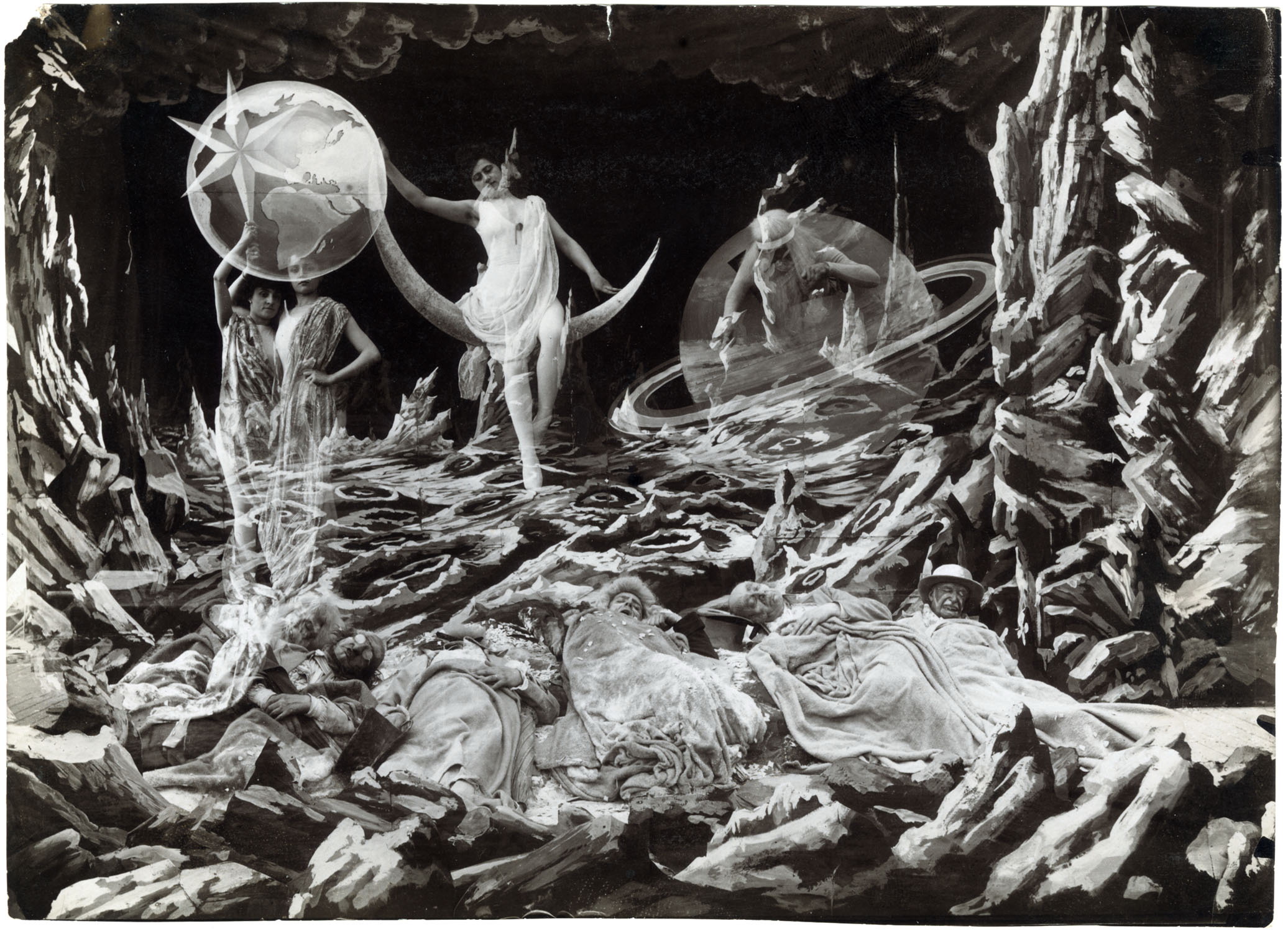
Hypothesis: Mars may be the closest laboratory for thinking about fossil language: not a message sent by a civilization, but a planet that may have preserved traces of very ancient life in rocks, clays, deltas and molecules.
Mars Today
Mars is cold, dry, irradiated and dominated by a very thin CO₂ atmosphere. Stable liquid water at the surface is extremely difficult today. Yet almost everything indicates that Mars was very different in the distant past: wetter, perhaps episodically warmer, with rivers, lakes, deltas and chemistry more favorable to habitability.
Water in Mars’ Past
Evidence for ancient water is abundant. Orbiters have mapped valleys, hydrated minerals, clays, sulfates, ancient riverbeds and delta-like structures. On the ground, rovers have observed rounded pebbles, sedimentary deposits and rocks formed or altered by water.
- Gale Crater: Curiosity studied lake deposits and ancient habitability.
- Jezero Crater: Perseverance explores an ancient delta, a major target for fossil biosignatures.
- Clays: they can form in the presence of water and preserve organic molecules.
- Sulfates and carbonates: they record changes in water, atmosphere and chemistry.
- Ancient ocean hypothesis: some studies suggest that an ocean or large bodies of water may have existed in the northern hemisphere.
Past Life: Possible, Not Proven
The central question is not “are there Martians?” but: did ancient Mars assemble the conditions needed for microbial life? The current answer is cautious: ancient Mars was probably habitable in some places and periods, but no direct proof of Martian life has been confirmed.
Missions therefore search for biosignatures: shapes, textures, minerals, isotopes, organic molecules or chemical associations that could be linked to biological activity. The problem is that many signatures can also be produced by non-biological processes.
Perseverance and Jezero
Perseverance explores Jezero, a crater that once contained a lake and delta. This location matters because terrestrial deltas can concentrate and preserve organic material. Perseverance collects rock cores intended for more complete future analysis.
Some samples, including those associated with the rock nicknamed Cheyava Falls, have been presented by NASA as containing features that may qualify as a potential biosignature. But “potential” is the key word: additional analyses, ideally in Earth laboratories, are needed before any conclusion.
Curiosity and Organic Molecules
Curiosity has detected organic molecules in Martian rocks and measured variations of methane in the atmosphere. Organic molecules do not prove life: they can come from meteorites, geological chemistry or other processes. But they show that Mars has interesting carbon chemistry.
Why It Is Difficult
- Deep time: if life existed, it may date back billions of years.
- Hostile surface: radiation, oxidants and dryness destroy or transform molecules.
- Ambiguity: a shape or molecule can have several origins.
- Samples: many proofs require fine laboratory instruments.
- Contamination: Mars, instruments and Earth must be distinguished.
Life Today?
Present surface life seems unlikely, but some scenarios remain discussed for the subsurface: brines, protected niches, ice, deep fractures. For now, there is no robust evidence of a current Martian biosphere.
Mars as A.L.I Archive
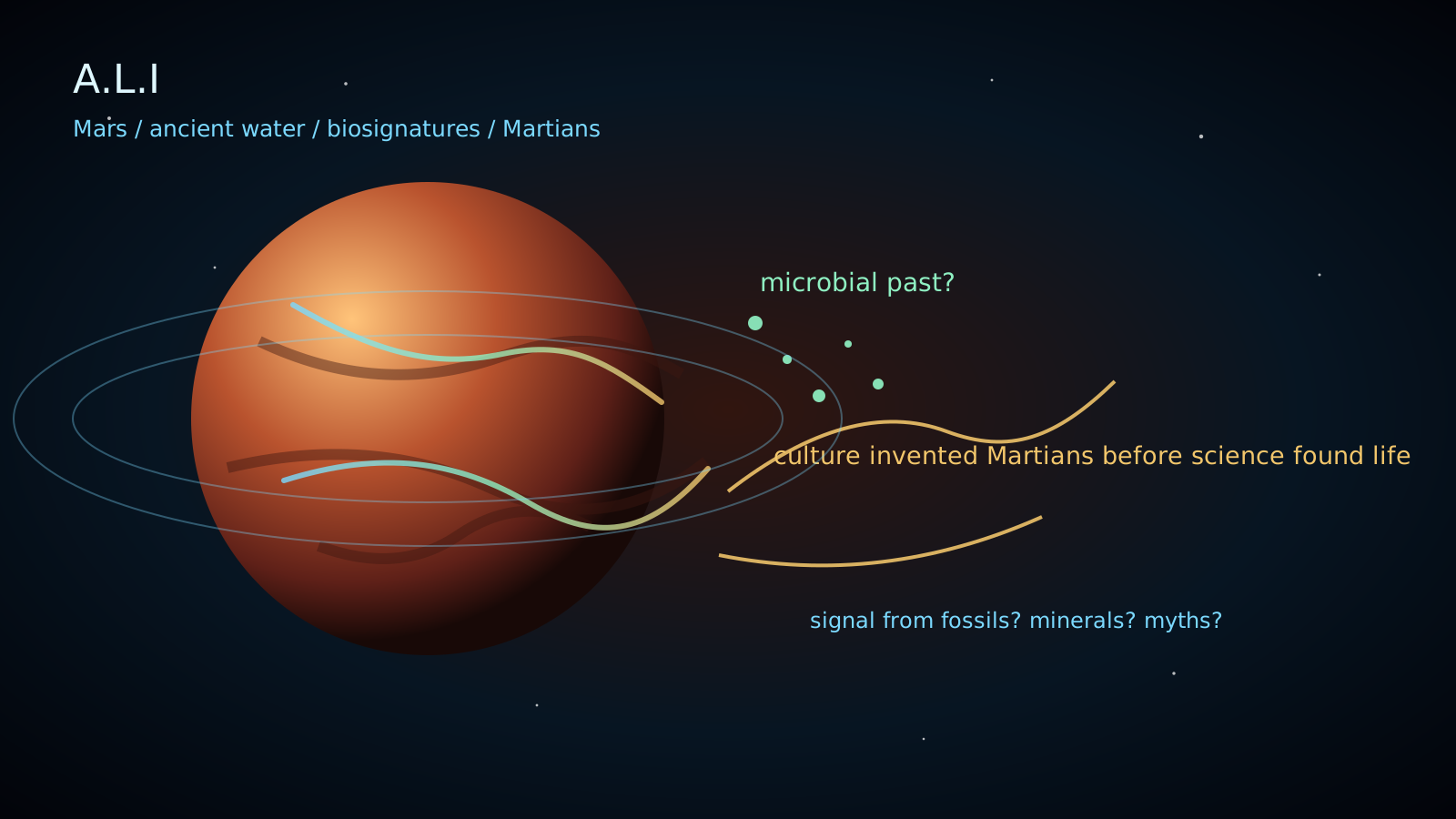
For A.L.I, Mars raises a special language question: how can a planet without civilization “speak”? It speaks through clues, strata, minerals, delta shapes, isotopes and molecules. This is not intentional language, but an archive to decode.
ancient water → sediments → minerals → molecules → possible biosignature → interpretationIn this case, the receiver of the message is scientific inquiry. The signal is not sent: it is preserved.
Martians in Culture
Before science knew Mars in detail, culture had already invented Martians. Percival Lowell’s “canals” fed the idea of a planet inhabited by a hydraulic civilization. This interpretive error produced an immense imaginary legacy.
- H. G. Wells, The War of the Worlds: Martians become invaders, technologically superior, carriers of reversed colonial fear.
- Edgar Rice Burroughs, Barsoom: Mars becomes a world of adventure, princesses, peoples, cities and creatures.
- Ray Bradbury, The Martian Chronicles: Mars becomes a poetic mirror of colonization, memory and disappearance.
- Invaders from Mars, Mars Attacks!: Martians oscillate between paranoia, grotesque and satire.
- Total Recall: Mars becomes political planet, artificial memory, air, colony and mutation.
- The Martian: Mars is no longer populated by Martians, but becomes a hostile environment humans must learn to survive.
From Imaginary Martians to Fossil Microbes
The cultural history is almost ironic: we imagined intelligent Martians before seriously searching for fossil microbes. The Martian was first a character; Mars later became a geological field site. A.L.I can connect both dimensions: the desire for dialogue with beings, and the patient reading of a planet that does not answer.
A.L.I Questions
- Is a fossil biosignature a kind of message?
- How can a mineral archive be translated into a readable story?
- Does Martian culture help us think contact, or does it blur the data?
- If Mars only ever hosted microbes, how does that change “first contact”?
- Can we imagine a non-intentional language produced by a planet itself?
A.L.I Prototype: Martian Decoder
An installation could confront the visitor with visual “samples”: strata, clays, molecules, traces, orbital maps. Each clue would be ambiguous. The visitor would choose: geology, chemistry, possible life, false positive. The Martian message would never be given directly; one would have to learn to doubt.
Sources and Research
- NASA Mars 2020 / Perseverance: Jezero mission and sample collection.
- NASA Curiosity / Mars Science Laboratory: ancient habitability, organics and Gale environment.
- NASA - Cheyava Falls: intriguing Martian rock with features that may be a potential biosignature.
- ESA Mars Express: orbital observations and Mars water history.
- NASA - Curiosity and molecular clues: organic molecules and Martian chemistry.
LABO question: is Mars sending us a message, or are we turning its geological ruins into language?