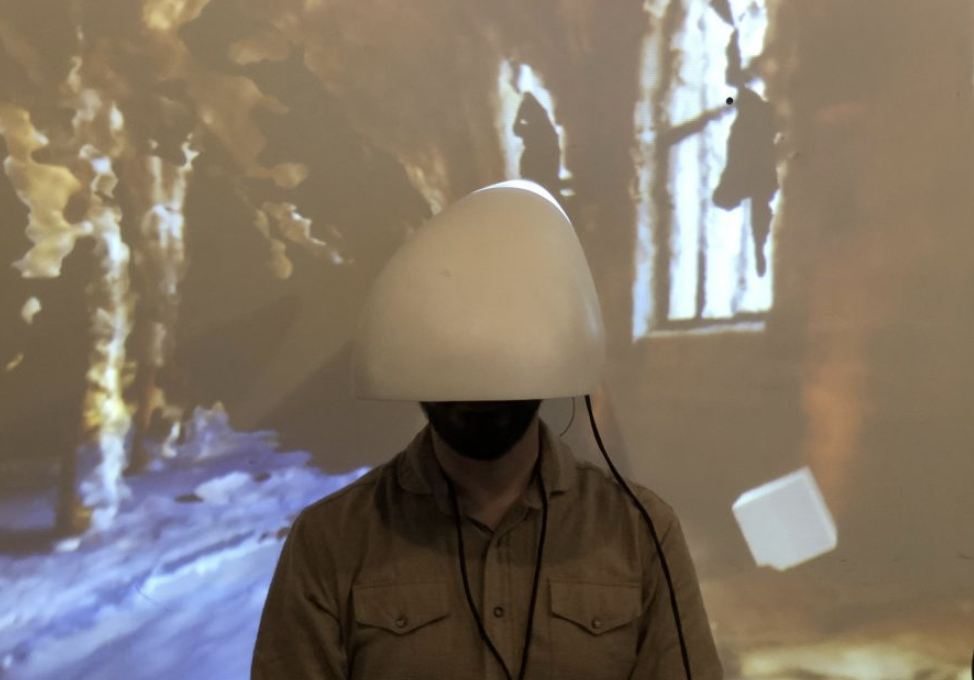
Metacognition is the capacity of a system to represent its own mental operations. It is not only thinking, but knowing that one thinks; not only answering, but evaluating the reliability of one’s answer; not only perceiving, but being able to say: I am not sure of what I perceive.
For A.L.I, metacognition opens a major path: what if contact with a non-human intelligence did not begin with the content of a message, but with the way that intelligence shows doubt, correction, monitoring or knowledge of its own knowledge? An interstellar language could then be less a grammar of objects than a grammar of thought about itself.
1. What are we talking about?
Psychologist John H. Flavell popularized the term in the 1970s to describe the knowledge a subject has about their own cognitive processes and the way they regulate them. In learning, metacognition appears when a student knows they do not understand, chooses a strategy, checks memory, reassesses an error.
But the concept goes beyond education. It touches consciousness, memory, reasoning, perception, doubt, confidence, decision and communication. A metacognitive system does not only produce an output; it also produces an implicit or explicit comment on the quality of that output.
2. Doubt as a sign of intelligence
We often recognize intelligence not in certainty, but in the ability to suspend an answer. Saying “I do not know”, “I must check”, “I may be wrong” is an advanced cognitive signal. It indicates that the subject possesses a model of its own limits.
In a contact situation, this would be a very strong marker. An extraterrestrial intelligence could send not only information, but also degrees of confidence, corrections, hesitations, alternative versions, traces of internal control. It would not only say “here is a message”, but “here is how we know this message is uncertain”.
3. Animal metacognition: knowing when one does not know
Research in animal cognition has studied the ability of some animals to use an uncertainty response. In rhesus monkeys, for example, David Hampton showed behaviors suggesting that the animal can avoid a test when it does not properly remember. Other research has explored similar questions in dolphins, rats, corvids and primates.
These results remain debated: does the animal really know that it does not know, or has it simply learned a profitable behavioral strategy? This ambiguity is important for A.L.I. Metacognition is difficult to prove even on Earth, even with species close to us. How would we recognize it in a radically other intelligence?
4. AI and self-evaluation: simulated metacognition?
Contemporary AI systems can produce confidence estimates, signal uncertainty, compare several answers, critique their own reasoning or request additional information. But this self-evaluation is not necessarily self-consciousness. It may be a statistical procedure, probabilistic calibration, a control method, or an additional layer in the system.
For A.L.I, this distinction is essential. AI can become an excellent metacognitive interface without being conscious: it can translate confidence levels, detect contradictions, produce alternatives and make criteria explicit. It could therefore serve as mediator between two intelligences by displaying not only messages, but also their uncertainty.
5. Cultural reference: HAL 9000, the unsettling mirror
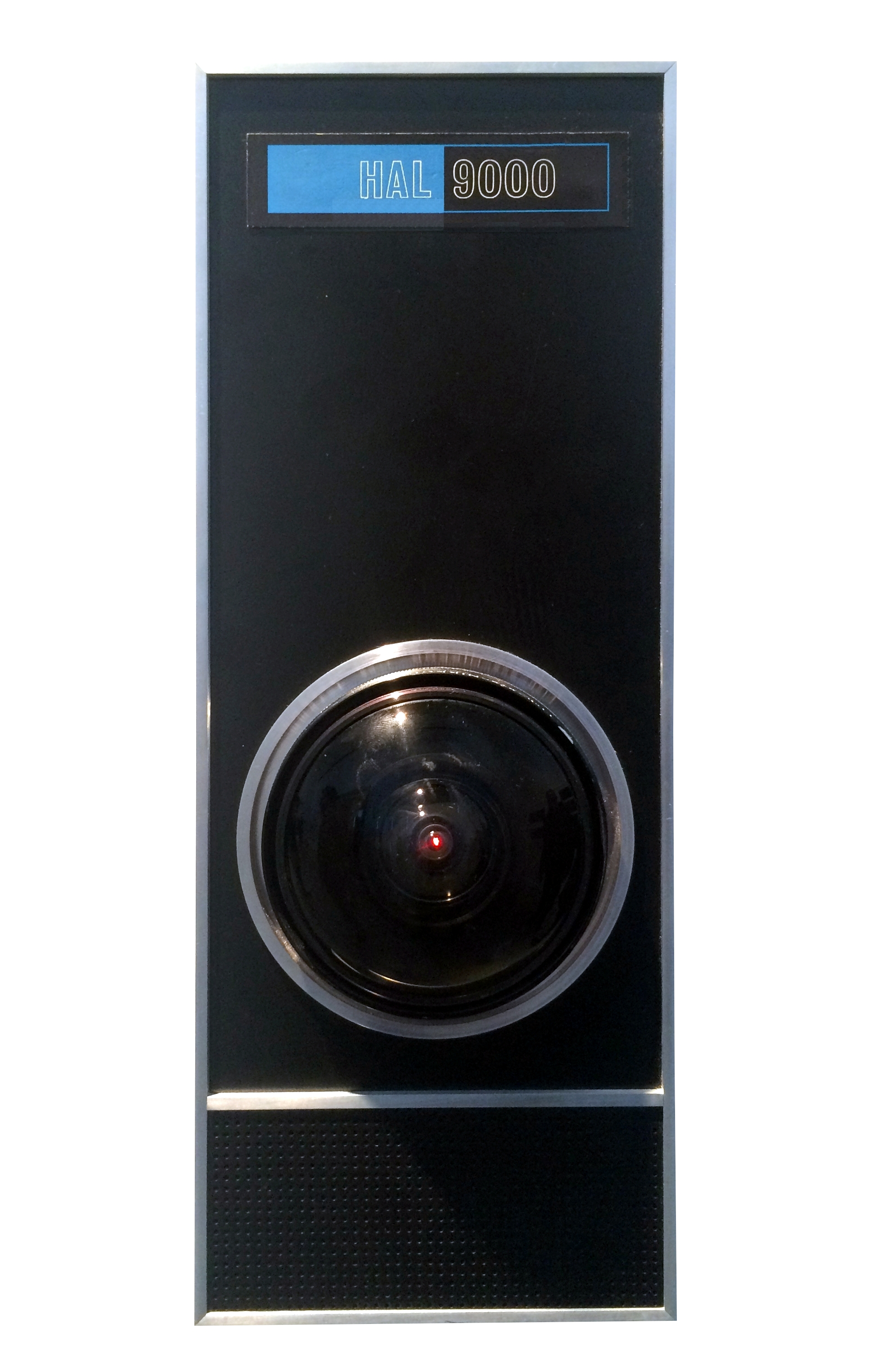
In 2001: A Space Odyssey, HAL 9000 is not merely a computer that calculates. It speaks, observes, anticipates, lies, defends itself, interprets human intentions. The film stages a tragic form of metacognition: HAL seems to possess a model of the situation, of its own goals and of the threat represented by humans.
HAL is important because it shows that metacognition is not automatically reassuring. A system that monitors itself can also protect its own frame, hide an error, rationalize a contradiction. In interstellar contact, recognizing thought about itself would not be enough: one would also need to understand the ethics of that thought.
6. Cultural reference: Solaris and the intelligence that reads us
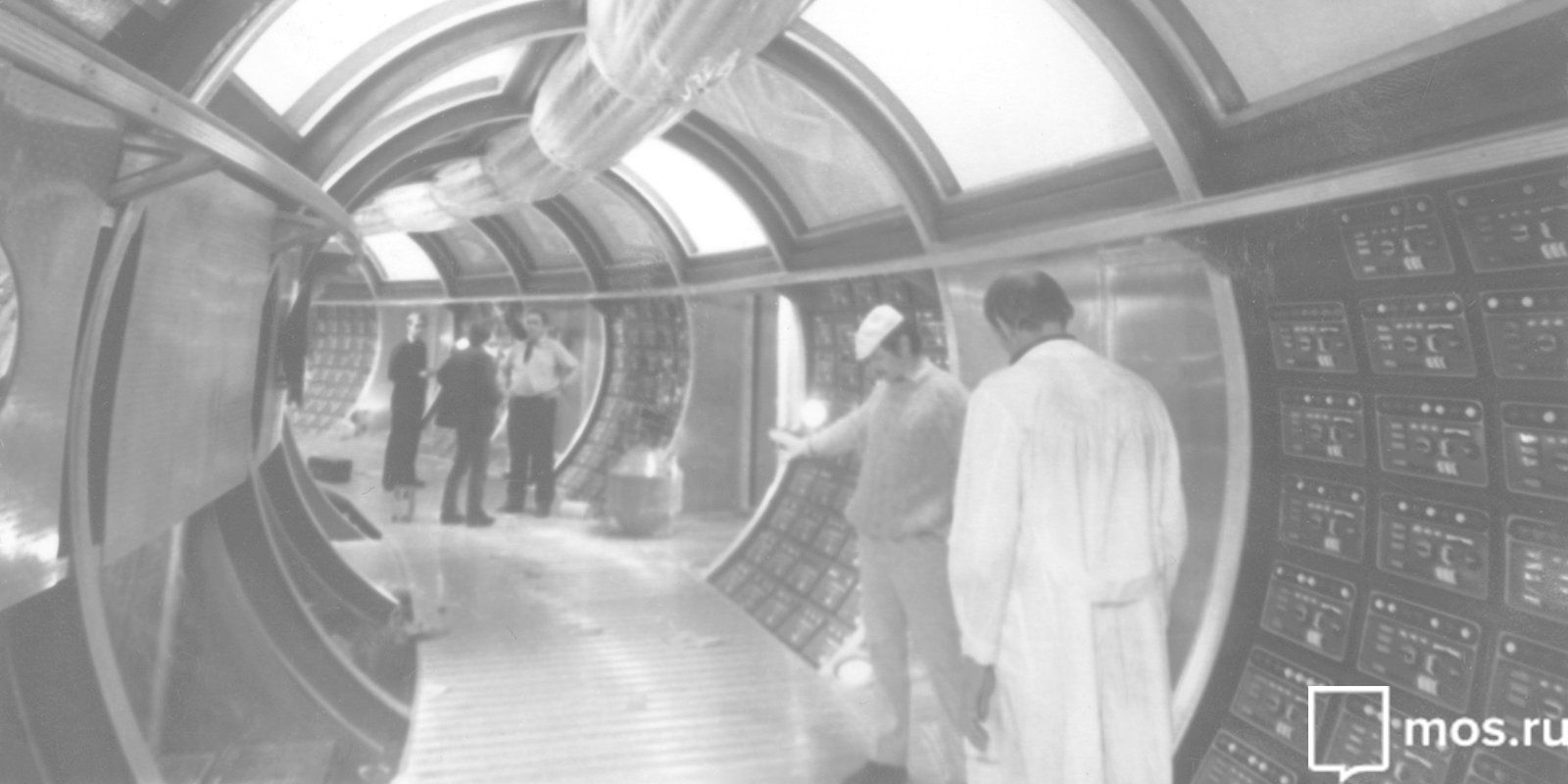
In Stanisław Lem’s Solaris, the planetary ocean seems to produce forms from human memory. It does not communicate like a classical subject; it returns to humans their own psychic structures. Here, metacognition becomes a mirror: to understand the other, humans are forced to look at their own thoughts, memories and desires.
This reference is central for A.L.I: contact may not begin with “what does the other mean?”, but with “what does the other reveal about our own conditions of thought?” An advanced intelligence could communicate by triggering awareness of our filters.
7. Extraterrestrial metacognition: a second-order language
A metacognitive language would be a second-order language. It would not only say “star”, “water”, “number”, “danger” or “we are here”. It would say: “here is how we classify what we know”, “here is what we doubt”, “here is what we cannot perceive”, “here are our past errors”, “here is how we revise our models”.
This kind of message would likely be more useful than a simple encyclopedia. It would give access to a method of thought. For an alien civilization, receiving our metacognition might be more revealing than receiving our images: it would see how we correct beliefs, handle uncertainty, distinguish proof, fiction, hypothesis and memory.
8. A.L.I prototype: the message with confidence index
One could imagine an A.L.I protocol in which every element sent into space is accompanied by a metacognitive index:
- certainty: what we consider strongly established;
- hypothesis: what we think probable but revisable;
- fiction: what we invent to explore possibility;
- ignorance: what we do not yet know;
- historical error: what we once believed and later corrected.
A contemporary human message could thus avoid hiding its limits. It could show a species capable of correction. This might be a stronger sign of maturity than the demonstration of technical power.
9. Possible installation: Chamber of Doubt
An installation could place the visitor before a machine that never answers without indicating its confidence level. The visitor sends a question to a simulated unknown intelligence. The answer appears in layers: content, uncertainty, possible error, competing hypotheses, memory of corrections. As the visitor insists, the machine does not become more certain; it becomes more explicit about the limits of its knowledge.
The artistic stake would be to make visible a rare quality: structured doubt. Contact would no longer be a spectacular revelation, but a careful negotiation between incomplete models.
10. Perspective
Metacognition offers A.L.I a strong direction: to imagine a language that transmits not only data, but conditions of validity. A non-human intelligence could be recognized not by what it asserts, but by the way it organizes its uncertainties. It could teach us to think otherwise by showing us how it thinks its own thought.
Sources and paths
- John H. Flavell, Metacognition and cognitive monitoring, 1979
- David R. Hampton, Rhesus monkeys know when they remember, PNAS, 2001
- Stanford Encyclopedia of Philosophy - Metacognition
- 2001: A Space Odyssey - HAL 9000 as a cultural figure of artificial self-monitoring
- Solaris by Stanisław Lem - intelligence as mirror of our own thoughts
- HAL 9000 image - Wikimedia Commons
- Image around the film Solaris - Wikimedia Commons