In A.L.I, language is not only a matter of voice, letters or binary code. It can be a form inscribed in matter: an organization, a repetition, an anomaly, a physical memory. Minerals offer a fascinating limit case. They do not speak in the human sense, but they preserve, orient, filter, vibrate, transmit and record.
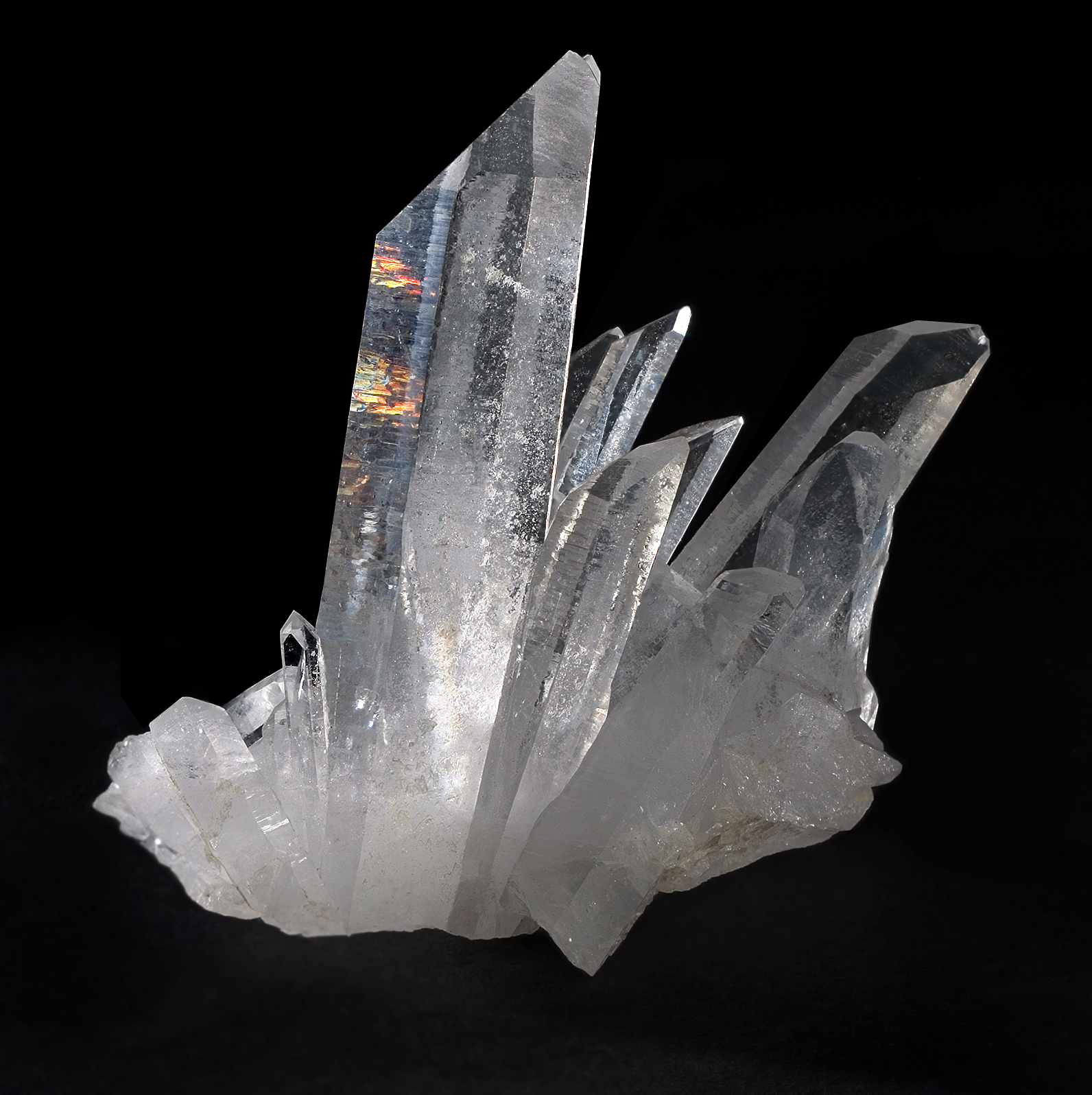
1. The Crystal as an Alphabet of Matter
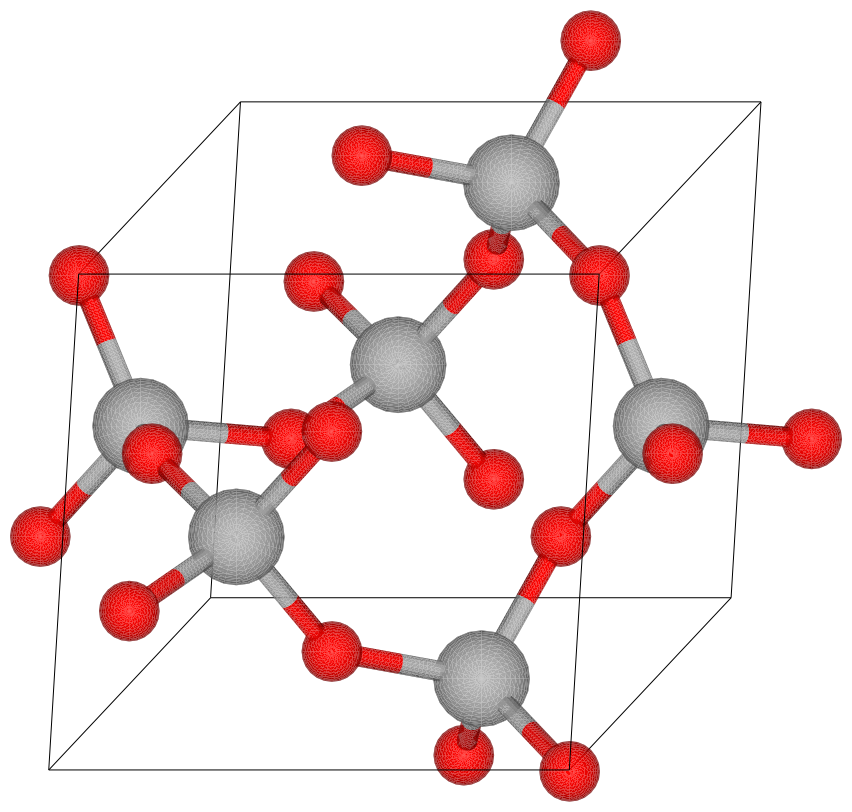
A crystal is matter whose atoms are arranged in a regular lattice. This regularity produces symmetries, axes and faces, but also defects: impurities, inclusions, dislocations, fractures, growth zones. For a geologist, a mineral is already a document. It speaks of temperature, pressure, chemical composition and duration.
Quartz, for instance, is used in oscillators because it has piezoelectric properties: under mechanical stress it generates voltage; under voltage it vibrates. A quartz watch is already a machine in which a crystal turns energy into stable frequency. A mineral language could therefore be less a text than a modulation of physical properties: frequency, light, charge, orientation, fluorescence, magnetism.
2. Reading Stone: Spectra, Isotopes, Defects
To listen to a mineral, one must change instruments. We would not read a sentence, but a Raman spectrum, an X-ray diffraction pattern, an isotopic signature, a luminescence, a fossil magnetization. Zircons can preserve traces of the early Earth. Basalts keep the direction of ancient magnetic fields. Stalactites record climates. Polar ice traps old atmospheres.
For A.L.I, this archival ability is crucial: a non-human intelligence might not write on stone, but into stone. It could manipulate crystal defects, isotope ratios, micro-inclusions or periodic structures to produce a detectable anomaly. The message would not be a visible inscription, but a structure that forces the reader to invent the right microscope.
3. Panspermia: When Stones Become Vehicles
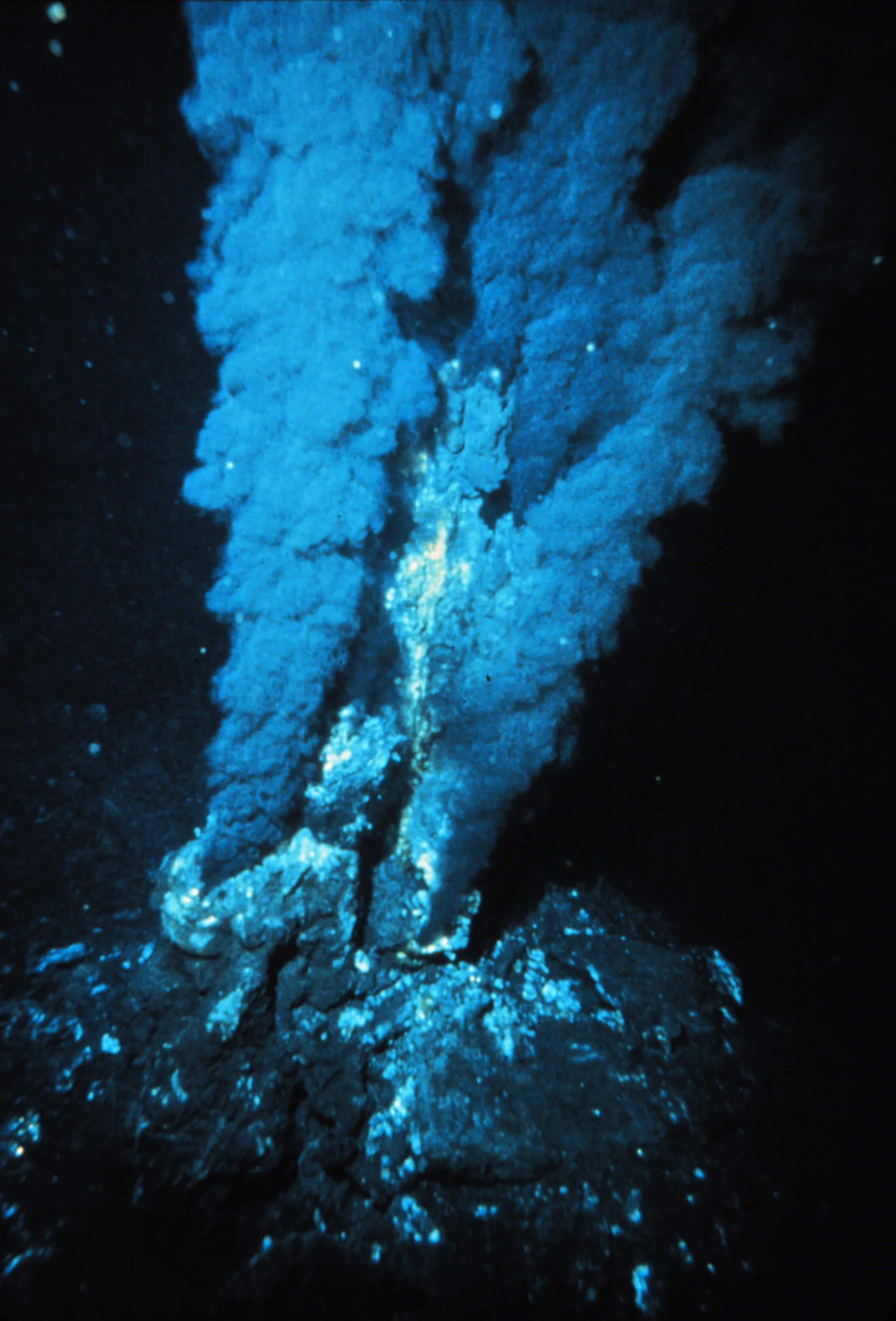
Panspermia is the hypothesis that some ingredients of life, and perhaps highly resistant organisms, could travel from one world to another inside rocks, comets, meteorites or interplanetary dust. It does not prove that life came from elsewhere, but it changes our image of matter: stellar objects may be not only debris, but chemical vectors.
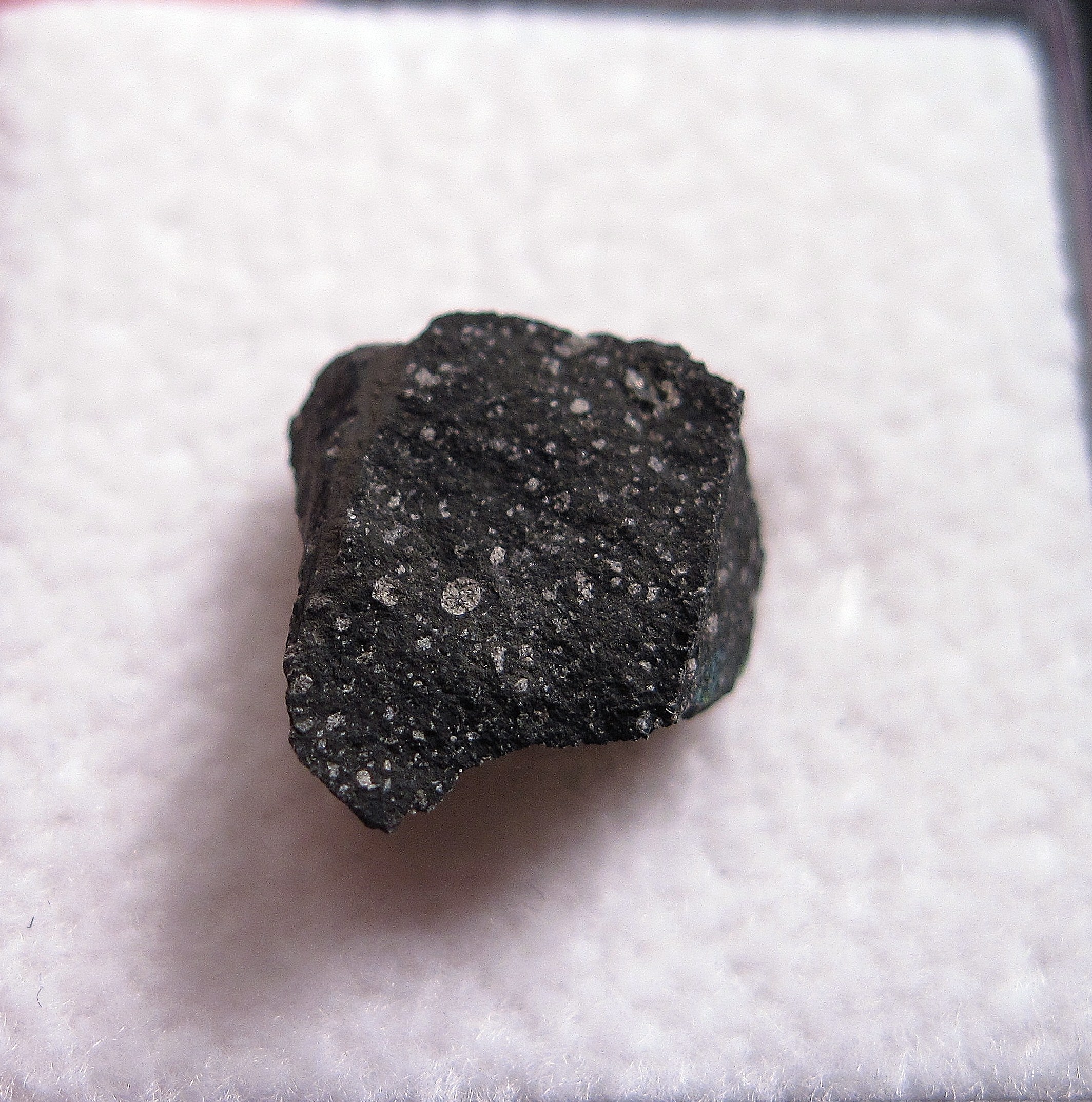
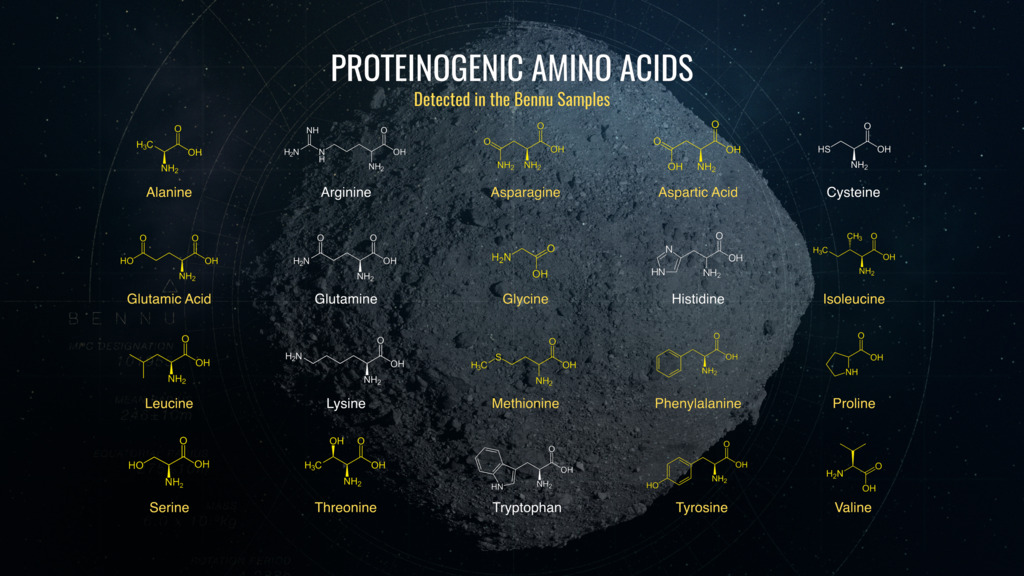
The Murchison meteorite, which fell in Australia in 1969, became famous for its many organic compounds, including amino acids. Samples from asteroid Bennu returned by OSIRIS-REx strengthened the idea that small Solar System bodies can preserve rich chemistry: hydrated minerals, salts, carbon compounds and prebiotic molecules. Here, the mineral is not the opposite of the living. It may be its envelope, laboratory and vault.
3 bis. ʻOumuamua: the Interstellar Visitor as Stone-Message
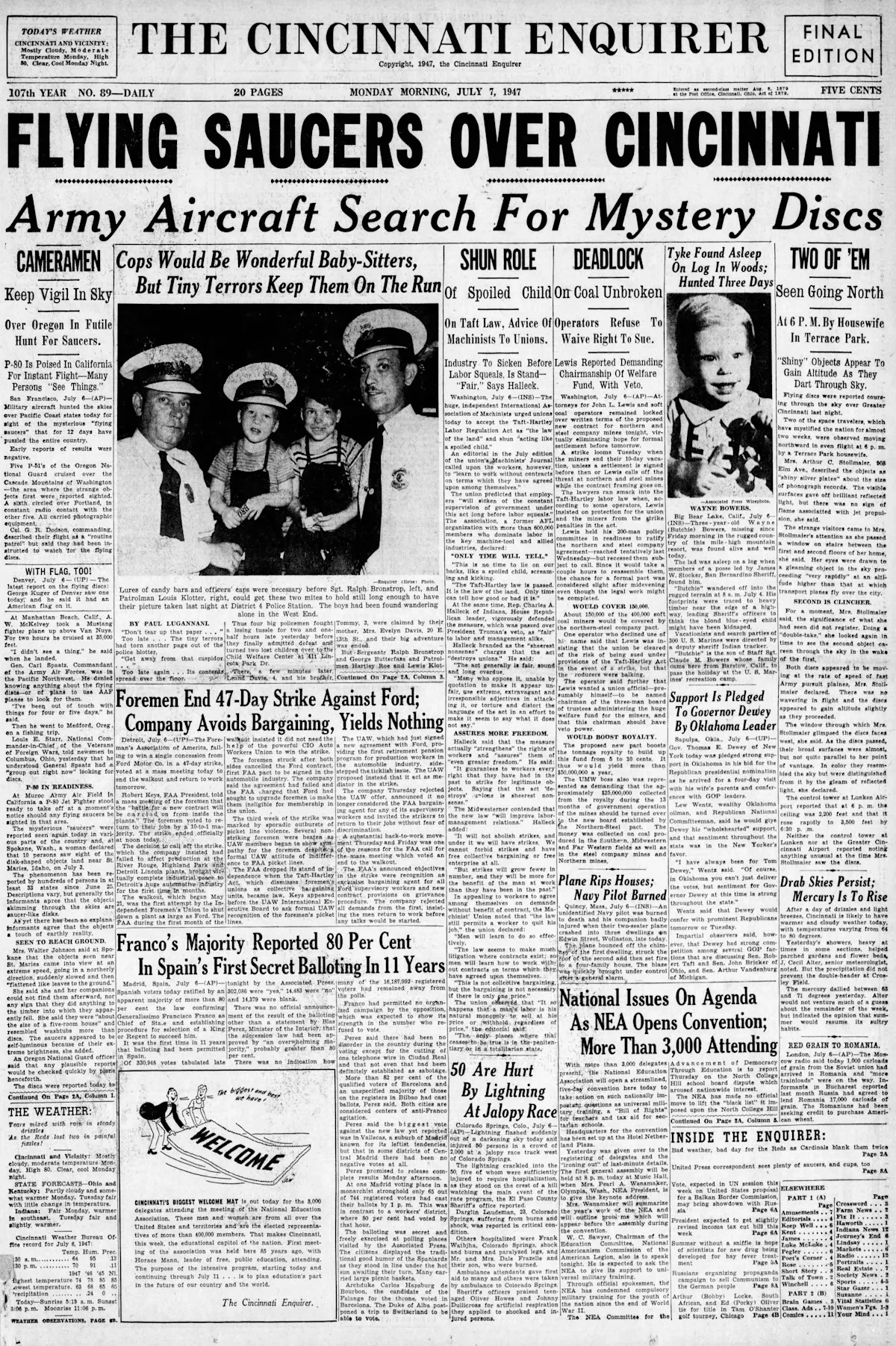
The case of ʻOumuamua, the first interstellar object detected crossing our Solar System in 2017, directly extends this hypothesis. Its hyperbolic trajectory, unusual shape and non-gravitational acceleration generated natural interpretations, but also more speculative ones, especially through Avi Loeb's proposal that it might be a technological artifact. Even if that reading remains highly debated, it matters to A.L.I because it shifts the question of the signal: what if the message were not sent by radio, but carried by a wandering body, an interstellar stone, a fragment of archive circulating between stars?
From that perspective, objects such as ʻOumuamua become candidates for an expanded mineral semiotics. We do not only ask where they come from, but what they carry: composition, anomalies, orientation, surface, dust, form, dynamic behavior. The stellar object becomes a slow, almost unreadable letter that we cross only once before it returns to the dark.
4. The Inorganic in Culture: Monoliths, Crystals, Sounding Stones
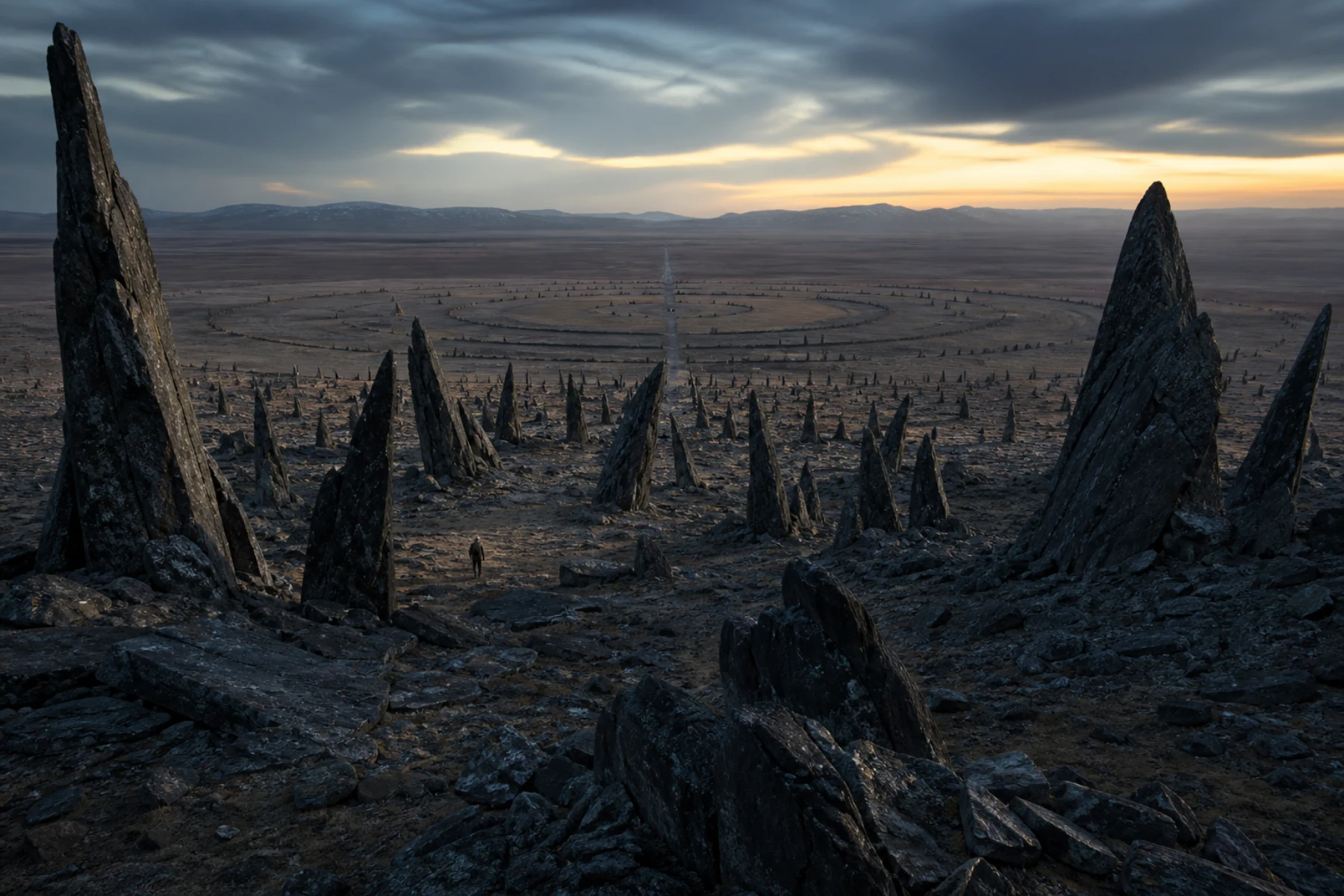
Culture has often used the inorganic as a figure for external intelligence. In 2001: A Space Odyssey, the black monolith explains nothing: it stands there, geometric, opaque, older than humanity, an object that programs evolution without speaking. In J. G. Ballard's The Crystal World, the world undergoes progressive crystallization, beauty and catastrophe fused together. In Roger Caillois, stones become natural images, almost writings without an author.
Lithophones remind us that stone can also become an instrument. Tuned stones produce pitches and timbres. This is not just a metaphor: mineral matter has a voice when it is struck, rubbed or set into vibration. As an installation, A.L.I could turn a collection of minerals into a spectral keyboard: every stone a sonic letter, every resonance an inorganic phoneme.
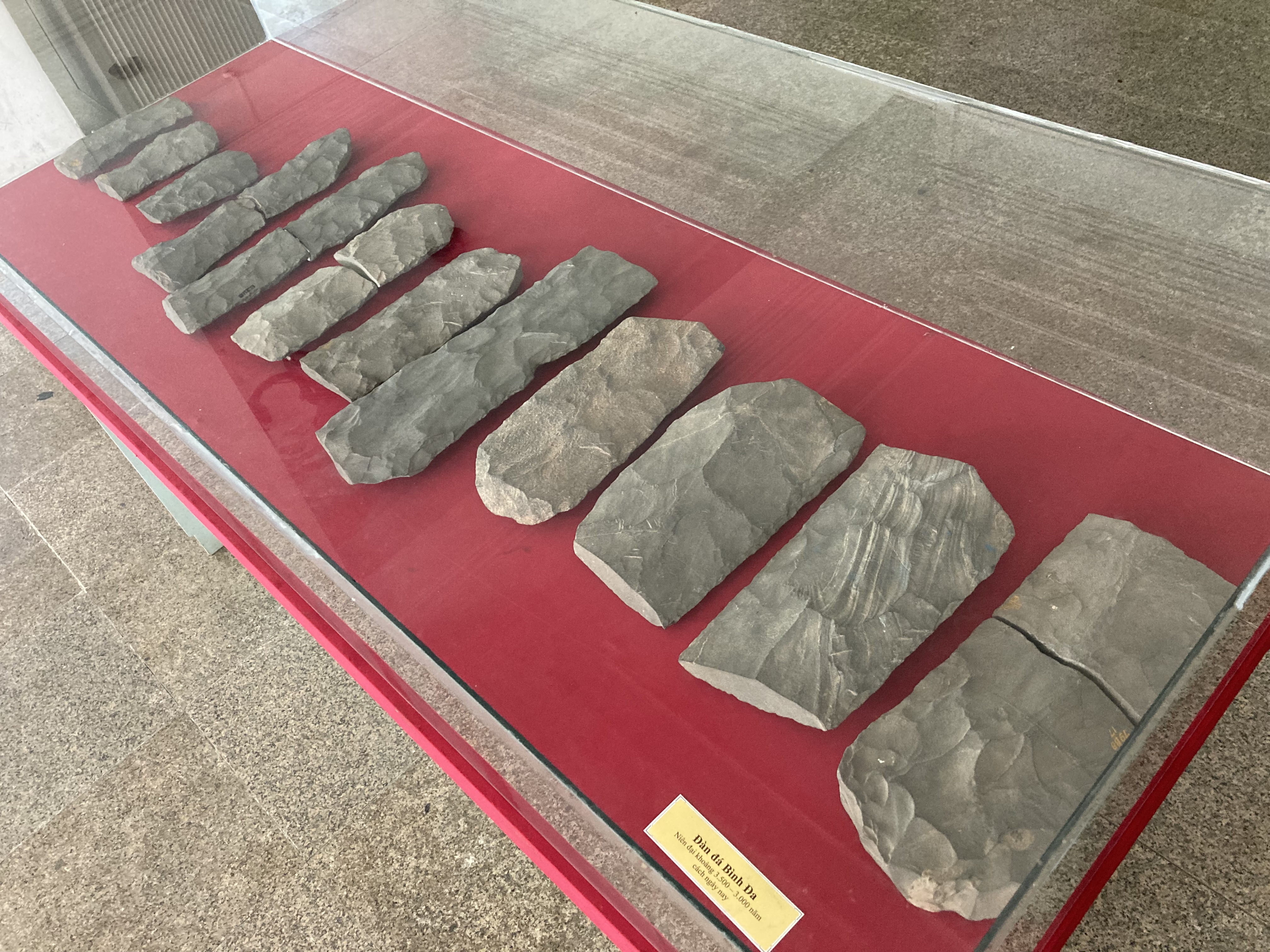
5. A.L.I Hypothesis: A Mineral Message
Imagine a civilization trying to send a message long after its own disappearance. Ordinary digital media degrade, languages are forgotten, operating systems become unreadable. A mineral can last for millions of years. The message could therefore be built as a physical enigma: an artificial crystal whose defects do not follow natural statistics; a modified meteorite whose isotopes form a sequence of prime numbers; a network of micro-inclusions readable by tomography; a 3D laser-etched glass plate; a stone that, exposed to a specific frequency, returns a light pattern.
The question then becomes: how can we distinguish a natural structure from an intentional one? This is precisely A.L.I's problem. Language may begin when a form forces an intelligence to ask whether it was produced to be recognized.
6. Possible Research Protocol
- Collect: quartz, basalt, meteorites, fulgurites, salts, mineral fossils, sounding stones.
- Measure: Raman spectra, acoustic frequencies, microscopic images, conductivity, luminescence, magnetism.
- Encode: create small controlled anomalies in a crystal or glass plate, then test their readability.
- Compare: separate geological chance, natural pattern and voluntary structure.
- Install: create a mineral table connected to piezo sensors, microphones, light and projection, where every stone becomes a transmitter.
- ʻOumuamua, first detected interstellar object
- Avi Loeb, artifact hypothesis and Extraterrestrial
7. Toward a Stellar Archaeology
If life circulates through stellar objects, meteorites are no longer merely stones fallen from the sky. They become fragments of a scattered library. They may contain no intentional message. But they already teach us something essential: the universe writes in matter before a reader exists.
A mineral language would therefore be a slow, cold, durable, almost silent language. A language of lattices, defects, traces and resistances. For A.L.I, it opens a radical path: communicating with the extraterrestrial may not only mean sending signals toward the stars, but learning to read what the stars have already sent as stone.