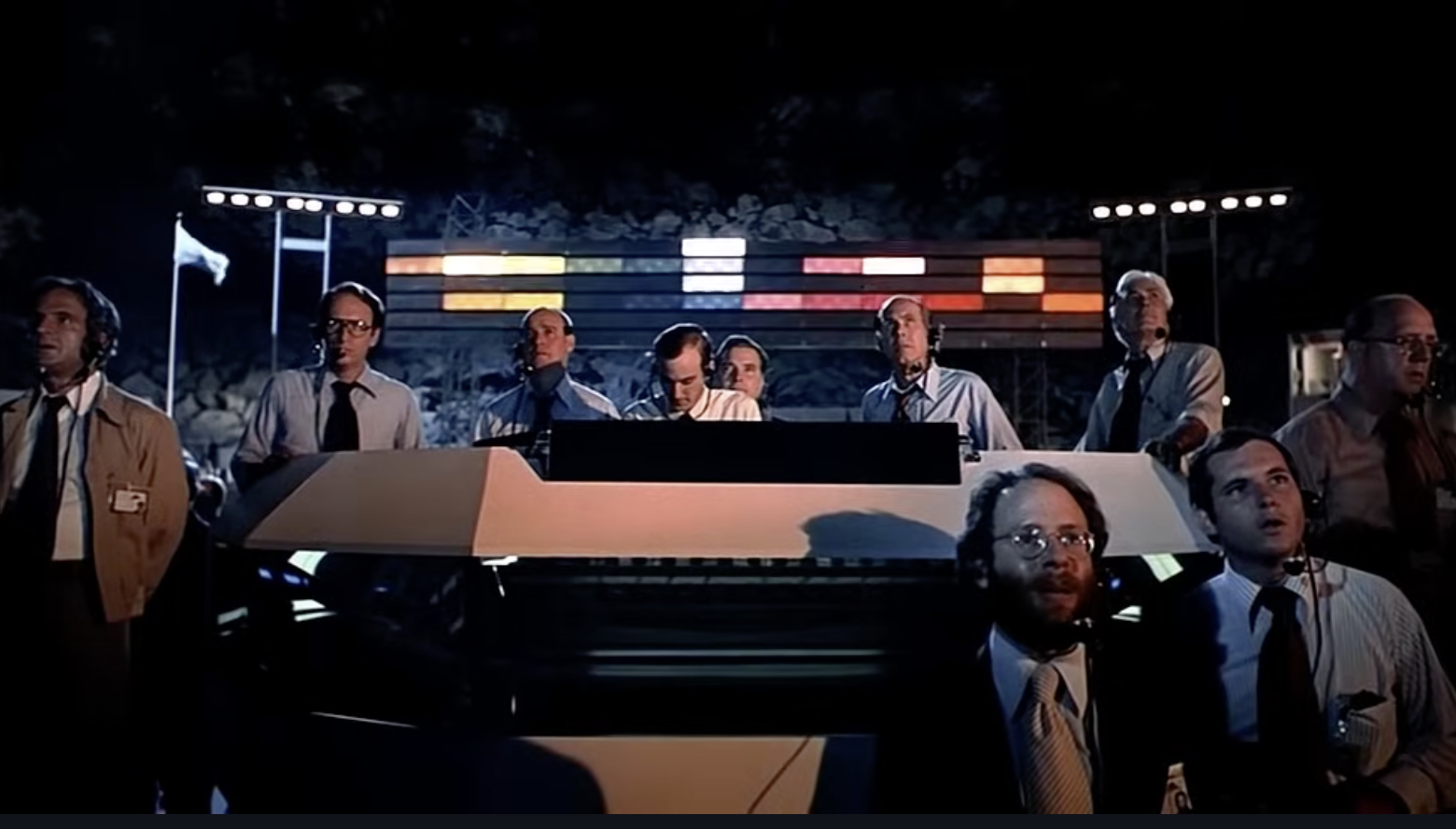
Hypothesis: the five-note motif from Close Encounters of the Third Kind can become a playable light instrument. The prototype translates music into color, rhythm and possible contact.

Cultural Reference
In Spielberg’s film, the encounter is not negotiated through speech. It begins with a short musical phrase answered by lights. The scene is powerful because the interface is public, simple and spectacular: tones, colors, repetition, response.
The Sequence
The famous motif is often described as five tones. For a prototype, the exact musical key can be selectable. The important element is the intervallic gesture: a short call that can be recognized, repeated, transformed and answered.
tone 1 → tone 2 → tone 3 → tone 4 → tone 5
sound  → color  → light panel → response
Small Version
A tabletop version can be made with a MIDI keyboard, an Arduino or ESP32, and a strip or matrix of addressable LEDs. Each note triggers a specific color and duration. The five tones can be played by hand or automatically.
- MIDI keyboard or small synthesizer;
- Arduino, Teensy or ESP32 with MIDI input;
- NeoPixel strip, LED matrix or five illuminated boxes;
- 5V power supply sized for the LEDs;
- laser-cut or 3D-printed case.
Large Version
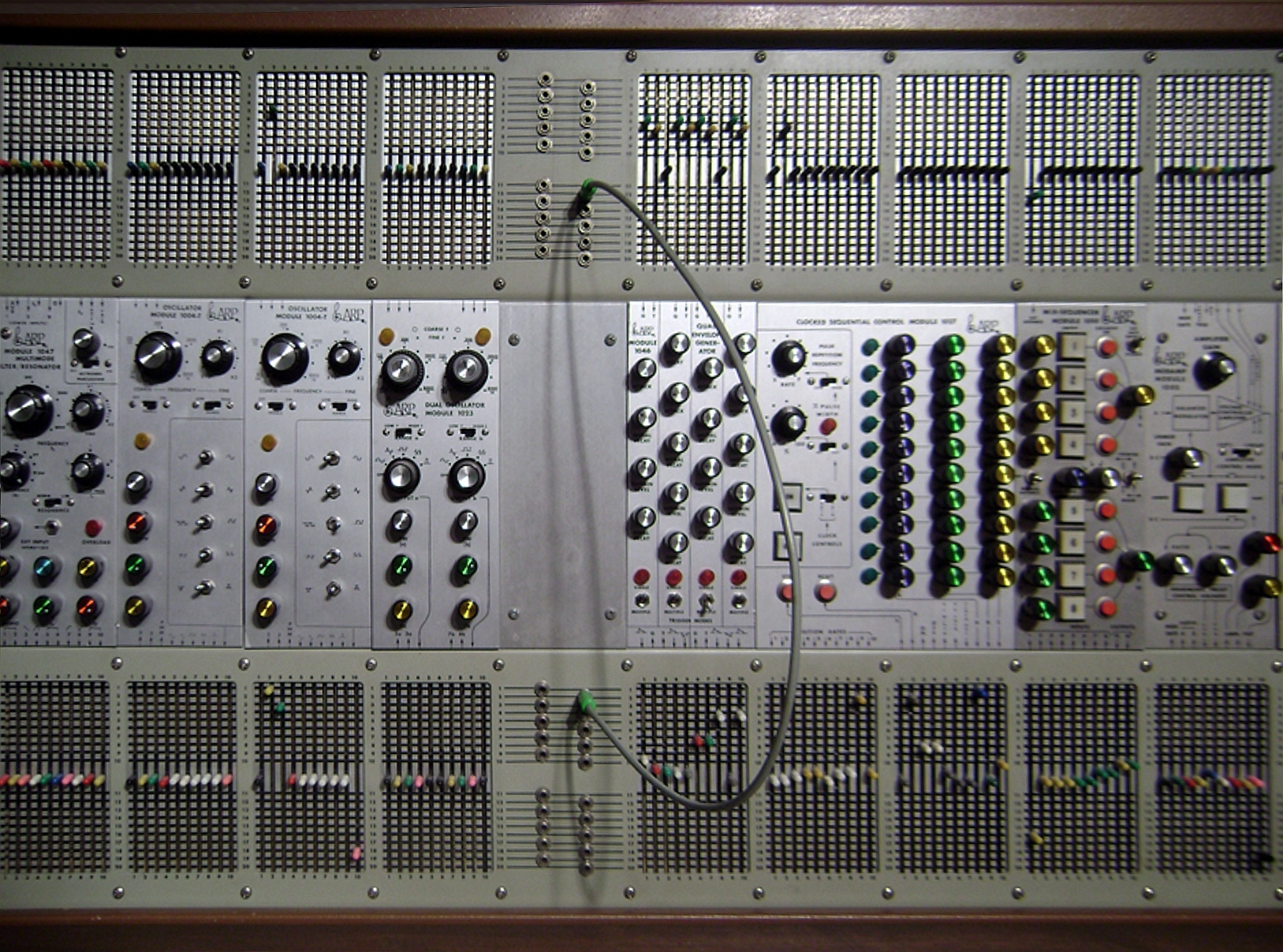
A stage or outdoor version can use DMX lights, LED bars or large translucent panels. A computer running Ableton Live, TouchDesigner, Max/MSP or Pure Data maps notes to light cues. This version can become a performance: the audience hears a call and sees the light architecture answer.
Difficulty Levels
- No solder: MIDI keyboard + computer + DMX/LED controller. Difficulty: medium.
- Maker version: microcontroller + NeoPixels + MIDI. Difficulty: medium to advanced.
- Large installation: DMX addressing, power distribution, safety and show control. Difficulty: advanced.
Score and Replay
The full film score is copyrighted, so the project should link to legal sheet-music sources rather than reproduce the score. The prototype can use a five-note motif as a technical demonstration and invite performers to compose new “contact phrases”.
A.L.I Interpretation
The instrument is not only nostalgic. It asks whether a language can be built from synchronized perception: hearing, seeing, waiting, repeating, correcting. Contact begins as a loop.
LABO question: could a shared rhythm be a stronger first language than a shared vocabulary?