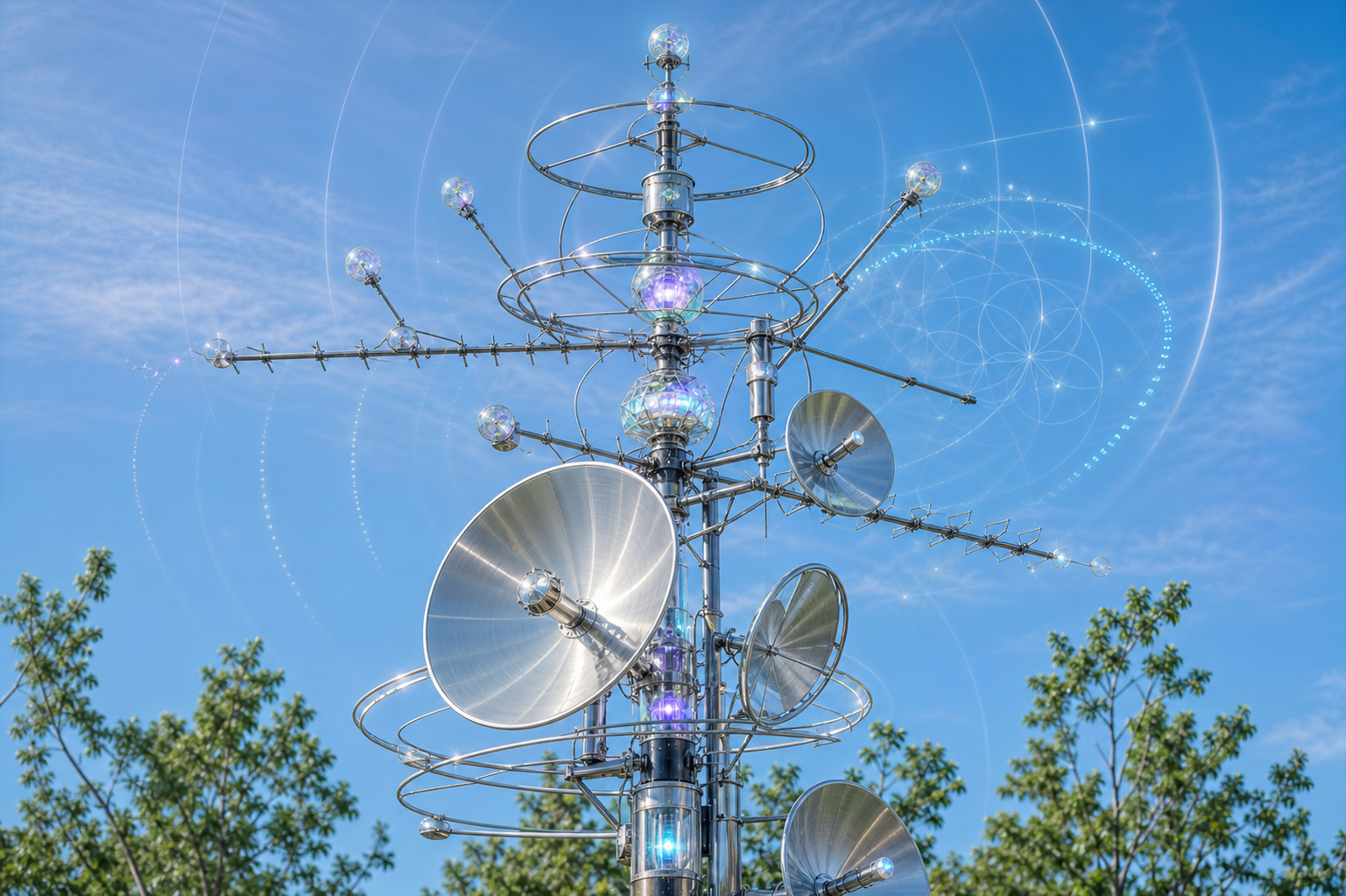
Hypothesis: an A.L.I radio station can turn a written message into an electromagnetic event. The object is both instrument and metaphor: type a sentence, encode it, transmit it, receive it, decode it.
Basic Principle
The system has four parts: input text, transcoder, transmitter and receiver. The transcoder converts letters into a signal form such as Morse, binary audio tones, FSK, packet radio, LoRa frames or visible waterfall patterns for SDR software.
text → encoding → modulation → antenna → receiver → decoding → textNo-Solder Version
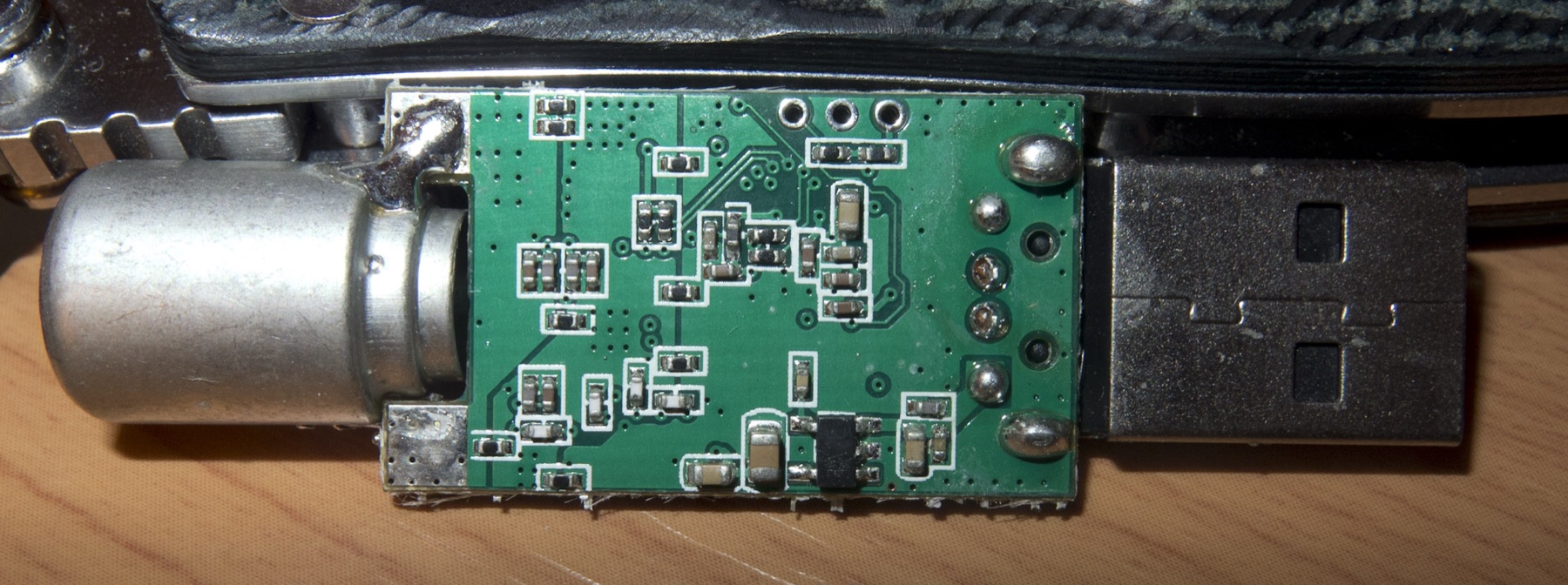
The simplest version uses a computer and an SDR receiver. A web page or Python script converts text into Morse audio. The sound is played through speakers, recorded by a microphone, or displayed as a spectrogram. With an RTL-SDR USB dongle, one can also explore real radio reception without transmitting.
- RTL-SDR USB receiver;
- SDR++ or Gqrx software;
- computer audio output;
- Morse encoder/decoder script;
- printed or 3D-made “antenna” sculpture for the installation.
Low-Power Radio Version
A more concrete prototype uses LoRa modules or microcontrollers with radio shields. The text is typed into a small interface, encoded, sent to another module and displayed on a screen. This is not deep-space radio, but it teaches the structure of signal transmission.
- two LilyGO LoRa32, Heltec WiFi LoRa 32 or similar ESP32 LoRa boards;
- USB power banks;
- small OLED screens;
- simple antennas adapted to the legal frequency band;
- Arduino or PlatformIO code.
With Soldering
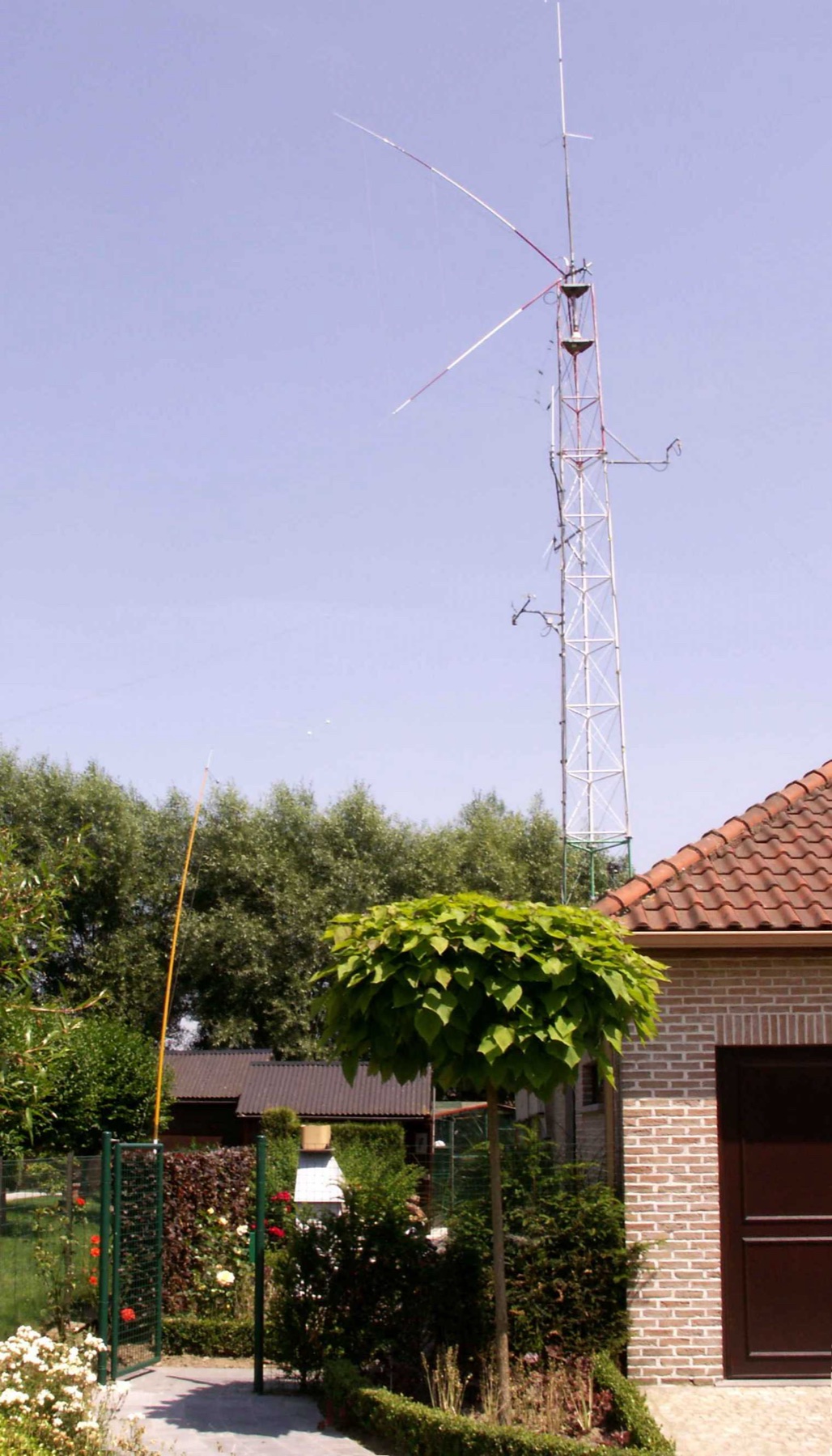
A soldered version can add a physical telegraph key, audio jack, amplifier, LEDs, speaker, rotary selector and a custom enclosure. A directional antenna can become part of the visual language of the piece.
Programming
The software can remain modest: a Morse table, timing rules, serial input, radio send function and a decoder. The next step is to support several encodings and show how the same sentence changes when written as Morse, binary, hexadecimal, tone sequence or radio packet.
Important Limits
Real radio transmission is regulated. Frequencies, power levels and antennas must respect local law. For exhibitions, it is often safer to use low-power legal modules, cabled RF demos, audio simulation or receive-only SDR.
A.L.I Use
The object could be presented as a small “message forge”: the visitor writes a sentence, chooses an encoding, and watches it become pulse, sound, light and radio trace. The message becomes less like speech and more like physics.
LABO question: when a text becomes a wave, what part of language remains human?