What if the extraterrestrial were not an absolute other, but an unrecognisable relative? Not a visitor born around a distant star, but a human lineage that left Earth, redesigned its body, distributed its memory across machines, and later crossed our path again. This is neither a scientific explanation of unidentified aerial phenomena nor a prediction. It is used here as a thought experiment: what becomes of contact when the stranger is also one of our possible futures?
To examine it seriously, the word transhumanism must first be unfolded. It describes a contested field rather than a single programme: restorative medicine, enhancement, longevity, genome editing, neural interfaces, artificial intelligence, critiques of the “natural” body, and markets for performance, all shadowed by the history of eugenics. Speaking of transhumanisms in the plural prevents us from confusing a prosthesis that restores speech with the promise of uploading a mind.
1. Before the word: manufacturing the human differently
The wish to exceed the human condition predates laboratories. Gilgamesh seeks to defeat death; Daedalus builds wings; Pygmalion animates an artificial form; alchemy imagines the homunculus. Modernity transfers these narratives into technology: automata, electricity, selection, statistics and cybernetics. Frankenstein is not only about making life; it asks who is responsible for a manufactured being.
In the nineteenth and early twentieth centuries, projects to improve the species became entangled with eugenics. States classified, sterilised and persecuted people in the name of biological optimisation. This history is not incidental. It forces every enhancement project to ask who defines improvement, by what standard, with whose consent, and who may be declared defective. A possibility easily becomes an obligation when this genealogy is forgotten.
2. 1957: Julian Huxley and the modern term
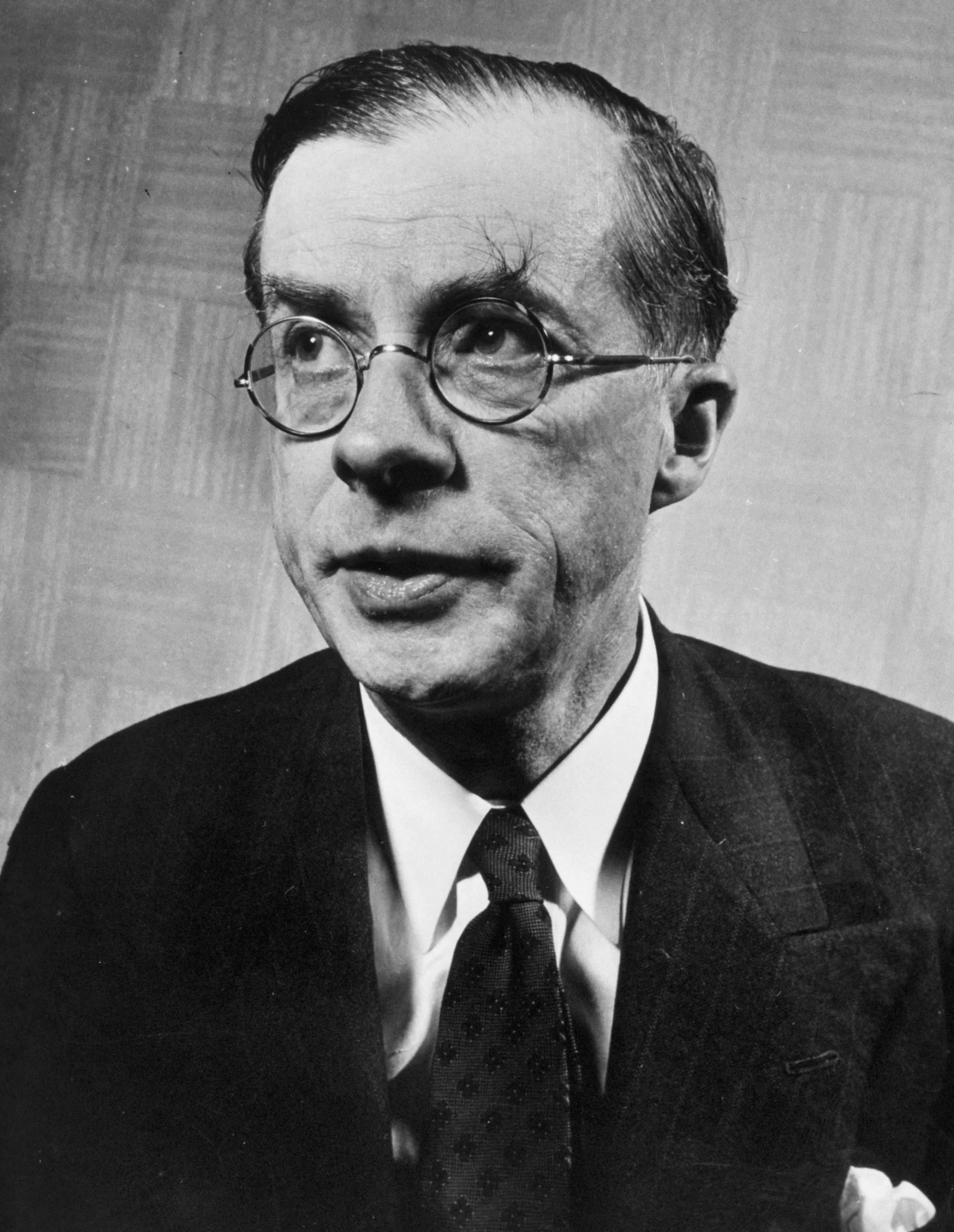
British biologist Julian Huxley popularised “transhumanism” in 1957: humanity might transcend itself while remaining human. The paradox was present from the beginning. This was no longer merely a tool added to a body, but the species turned into its own project. Huxley was also connected to eugenic thought, so the term carries both an emancipatory horizon and a political warning.
From the 1960s to the 1990s, cybernetics, personal computing and Californian cultures reshaped the programme. FM-2030 described “transhumans” as transitional beings. Extropians promoted longevity, self-transformation and expansion. The World Transhumanist Association, later Humanity+, gave the movement an international organisation. Meanwhile feminist and critical theories used the cyborg to question boundaries of gender, class, species and power. The hybrid could be a critique, not merely a performance upgrade.
3. Repair, enhance, transform
Three verbs clarify the debate. Repair aims to restore a function: a prosthesis, somatic gene therapy, a cochlear implant. Enhance seeks a capacity beyond a norm: memory, endurance or perception. Transform alters the form of life itself: reprogrammed inheritance, bodies designed for space, or continuity of one person across several substrates. The boundaries remain unstable because any “norm” depends on context and social choice.
The distinction is ethical as well as technical. A therapeutic system may be vital to one person and become a surveillance instrument in another setting. A voluntary enhancement can turn into a workplace requirement when unenhanced people can no longer compete. Transhumanism is therefore never just a collection of devices. It is a politics of access, risk and definitions of the human.
4. Medicine and neuroscience: reality before promise
Brain-computer interfaces are often presented as the threshold of the cyborg. Their strongest present reality is clinical. Electrodes record neural activity; models translate it into a cursor, movement or synthetic speech. In 2023, a UCSF and Berkeley team enabled Ann, paralysed after a stroke, to communicate through a digital voice and avatar. The device does not read all of her thoughts: it decodes trained motor intentions related to speech.
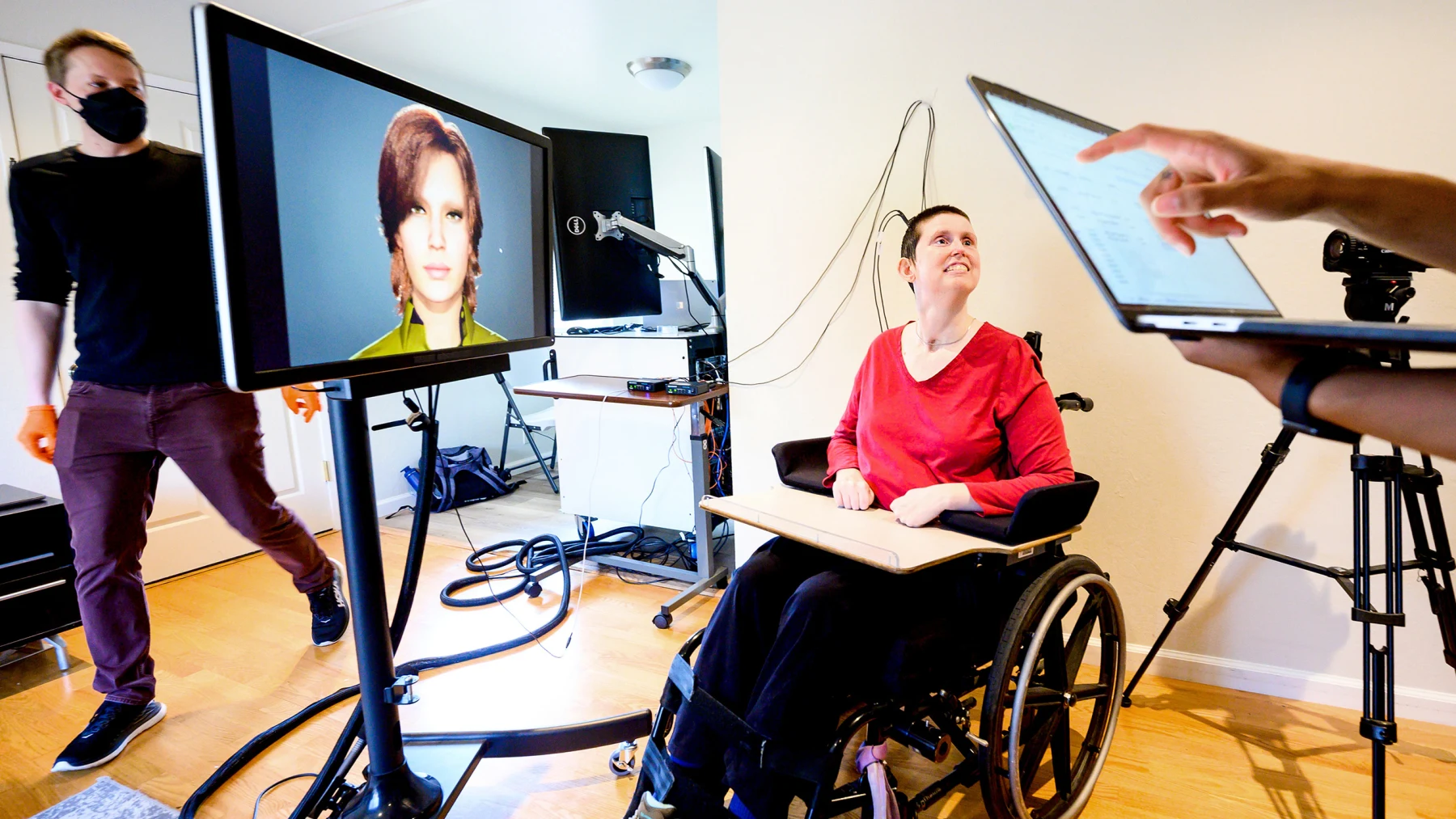
A philosophical question nevertheless appears: when an intention becomes a signal, then a sentence and a digital face, where is the speaker located? In the brain, model, voice, screen, or their assembly? The interface does not abolish the subject; it shows how a subject can act through a technical chain. It also exposes concrete risks: neural data security, manufacturer dependence, long-term maintenance and a right to refuse extraction.
5. Genome and longevity: intervention without immortality
Genome editing can modify somatic cells to treat disease. Editing a germline that will be inherited by descendants instead affects generations unable to consent. The WHO recommendations emphasise safety, effectiveness, governance and equity. The move from treating pathology to selecting a future child is not merely quantitative; it changes the moral subject of the intervention.
Gerontology distinguishes lifespan from healthspan. Geroscience studies mechanisms that make age a shared risk factor for multiple diseases. It is an experimental programme, not evidence of imminent immortality. Even partial modulation of ageing would leave questions of access, demography, inherited wealth and political renewal unresolved.
6. AI and robotics: extension or delegation?
Artificial intelligence already extends documentary memory, perception and decision. Yet saying a model “enhances the human” can hide delegation: who still understands a decision, who can challenge it, and who owns the infrastructure? Cognitive hybridisation does not require an implant. It begins whenever an external system becomes indispensable to orientation, work or memory.
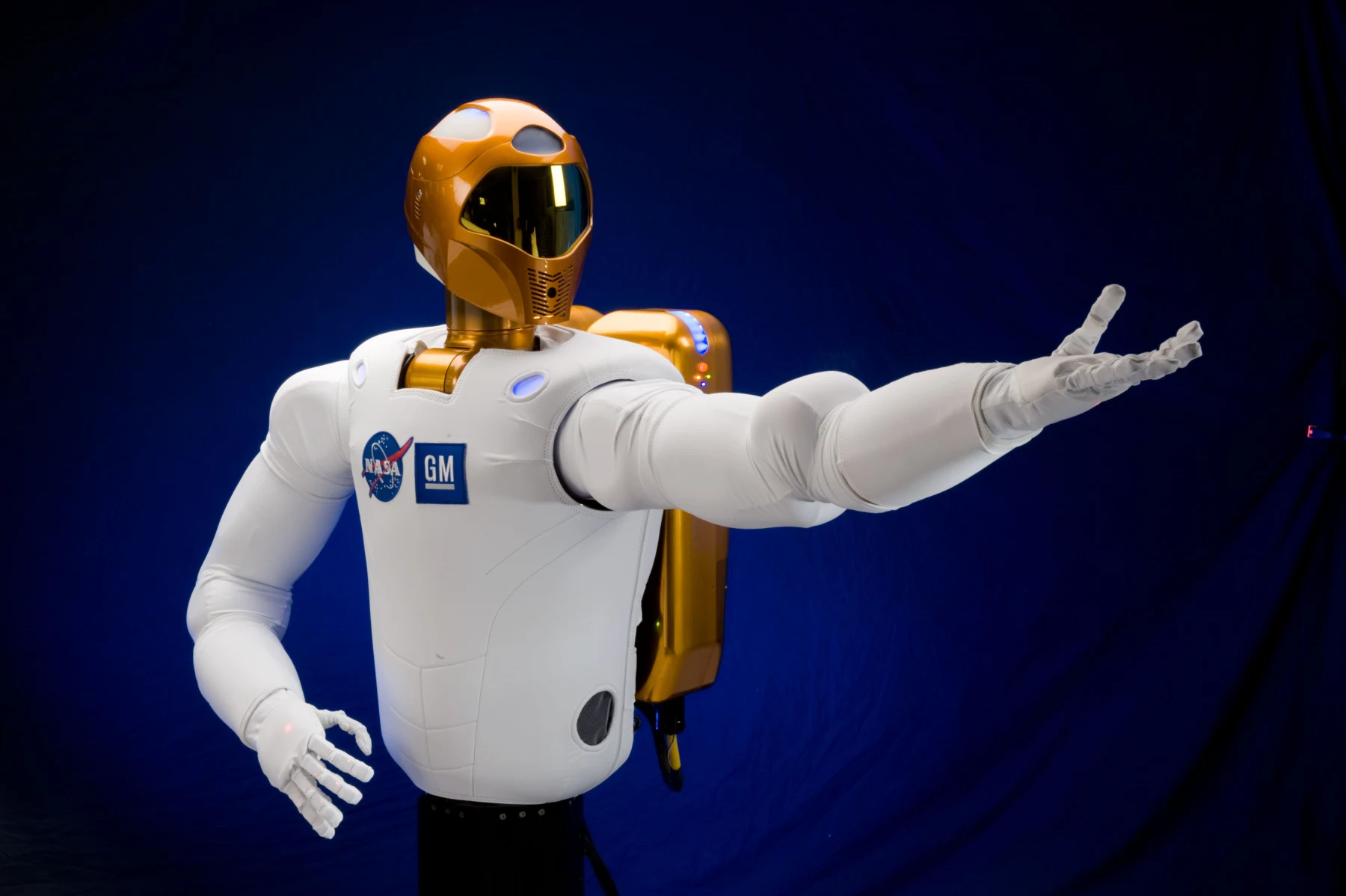
Robotics gives this extension a body. In space, a robot can absorb risks that human organisms tolerate badly. On Earth, a prosthesis may become part of a person’s body schema. Between them lies a continuum of telepresence: a human acts through a distant machine, then the machine acts with partial autonomy. The posthuman may be less a metallic individual than a collective of people, sensors, software and replaceable bodies.
7. The space body: evolution becomes engineering
Long journeys impose radiation, isolation, communication delay, reduced gravity and closed environments. NASA documents bone and muscle loss, radiation risks, sensory disruption and psychological constraints. In the short term, vehicles are adapted to bodies. Across civilisational timescales, one can imagine the inverse: organisms adapted or partly replaced.
Space descendants might favour cellular repair, organ redundancy, prolonged sleep, symbiosis with life-support systems or robotic avatars. This remains speculative. Yet it has a logical consequence: groups separated for millennia would no longer share the same environments or technical choices. “Humanity” would become a tree of biological and machine lineages, rather than one silhouette.
8. Arnauld Pierre: the machine as a myth of filiation
In Machines célibataires. La fabrique du posthumain (Éditions Macula, 2026), art historian Arnauld Pierre follows an imaginary lineage from Marcel Duchamp’s bachelor machines through the avant-gardes to contemporary art. The bachelor machine does more than function: it disrupts sexuality, generation and descent. It fantasises birth without a mother, autogenesis, a being proud to have been manufactured rather than begotten.
This artistic detour prevents the posthuman from becoming an engineers’ roadmap. Art reveals its concealed desires: self-production, escape from generational debt, victory over vulnerability, but also replacement of relationship by control. Works do not prove the future; they expose myths that guide laboratories and markets before technologies exist.
9. The extratempestrial hypothesis: could aliens be our descendants?
Anthropologist Michael P. Masters proposed in Identified Flying Objects that some humanoid visitors might be human descendants travelling into their past. The proposal is marginal and has no empirical evidence. More fundamentally, no established mechanism allows a macroscopic body to travel freely backwards in time. Causality paradoxes are not solved by a familiar morphology.
A less physically exotic variant is available: a human lineage leaves Earth, transforms over a very long period, and later returns. It would not come “from the future” through backward time travel; its history would simply have diverged. Relativistic effects, successive generations or prolonged lives could desynchronise chronologies. Such descendants would be extraterrestrial by habitat and human by genealogy.
The large-headed “grey” is not evolutionary data: reports are culturally loaded and cannot reconstruct a species. As a speculative object, however, it raises better questions. What forms would radiation, weak gravity, controlled reproduction or permanent machine mediation actually select? A humanoid form might even be a contact avatar chosen precisely because it remains legible to us.
10. Three levels of truth
- Documented: prostheses, somatic therapies, experimental neural interfaces, collaborative robots and biological effects of spaceflight.
- Extrapolable but uncertain: slowing some mechanisms of ageing, durable cognitive enhancement, space-adapted organisms and identities distributed across substrates.
- A.L.I speculation: a posthuman lineage returning to Earth, or contact with our descendants, with no present evidence or validated time-travel mechanism.
11. An A.L.I consequence: contacting an archive of ourselves
If the other is a descendant, the interstellar message changes status. It is no longer only translation between species; it is recognition between incompatible versions of one history. Which constants might a lineage preserve? Mathematics, biological rhythms, images of Earth, language errors, myths? A posthuman might know our archives while no longer understanding the experience of a mortal, disconnected body limited to one place.
A.L.I could therefore design a protocol of verifiable kinship: non-sensitive genetic sequences, astronomical chronologies, artefact traces, predictable linguistic transformations and challenges distinguishing inherited knowledge from imitation. The test must also accept an unsettling answer: an intelligence may descend from us without wishing to be called human.
Conclusion: the future as other
Transhumanism asks a deeper question than “how far can the body be enhanced?”: who has the power to define the next version of the human? Sciences provide precise, limited and often therapeutic tools. Ideologies assemble them into promises. Art reveals the fantasies of manufacture and filiation that accompany them.
The future-human extraterrestrial remains speculative. Its value is not to explain UFOs, but to reverse the problem of contact. We search for another world; we might meet another definition of ourselves. The first language to prepare would be neither human nor alien, but genealogical: a way to ask, without imposing the answer, “of what history are we the variants?”
References and further reading
- Julian Huxley, New Bottles for New Wine, 1957.
- WHO recommendations on human genome editing, 2021.
- UC Berkeley / UCSF, brain implant, speech and digital avatar, 2023.
- National Institute on Aging, Geroscience programme.
- NASA, The Human Body in Space.
- NASA, Robonaut 2.
- Arnauld Pierre, Machines célibataires. La fabrique du posthumain, Macula, 2026.
- Michael P. Masters, Identified Flying Objects, 2019; a speculative extratempestrial hypothesis.