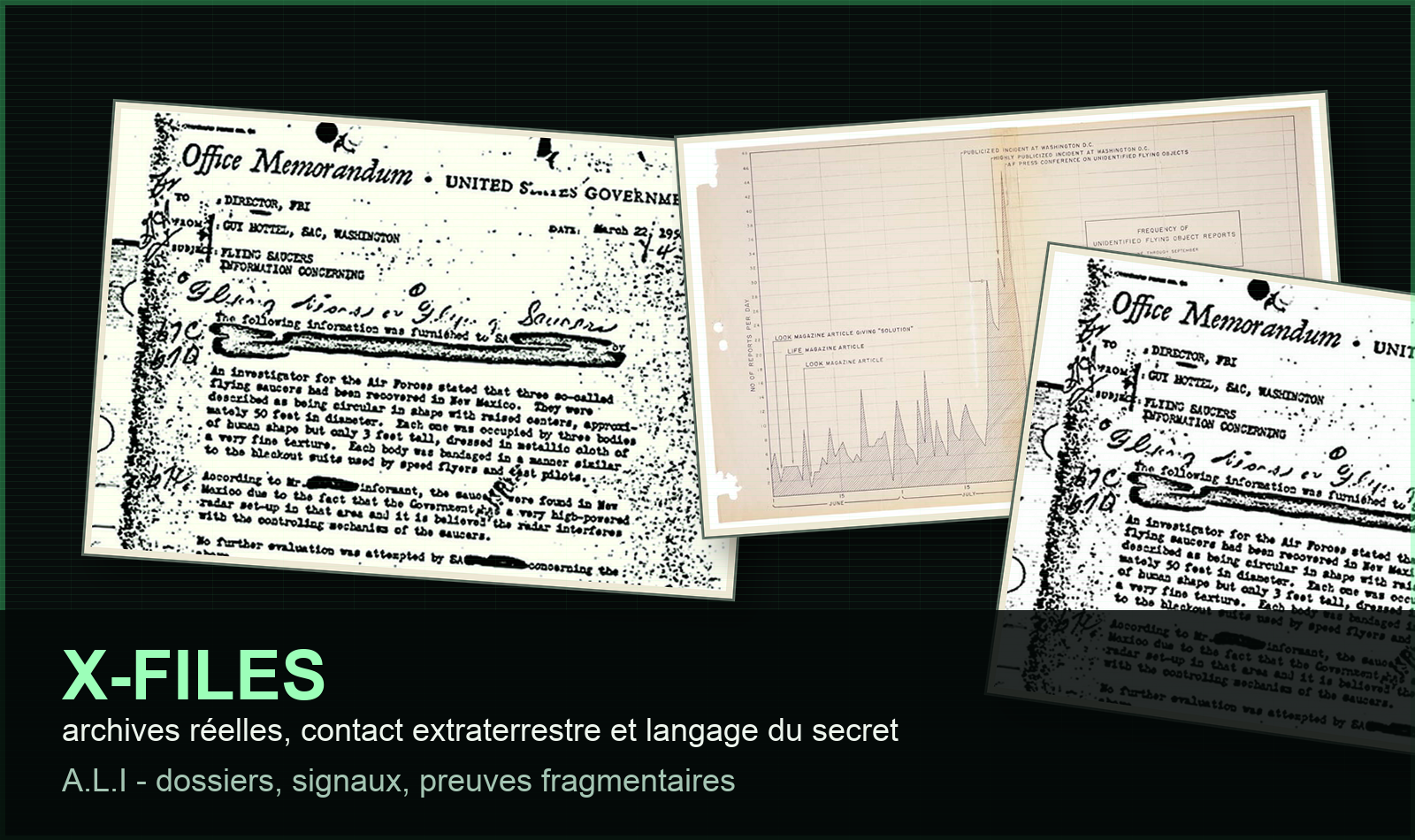
The X-Files, created by Chris Carter in 1993, is not simply a series about aliens. It is a series about the conditions under which truth appears when it has to cross layers of secrecy, belief, fear, bureaucracy, incomplete documents, fragile testimonies and surveillance technologies. For A.L.I, it is a major cultural laboratory: how can a message be recognized when the space that contains it is deliberately blurred? How can one distinguish signal, rumor, manipulation and evidence?
Mulder / Scully: a Method in Tension
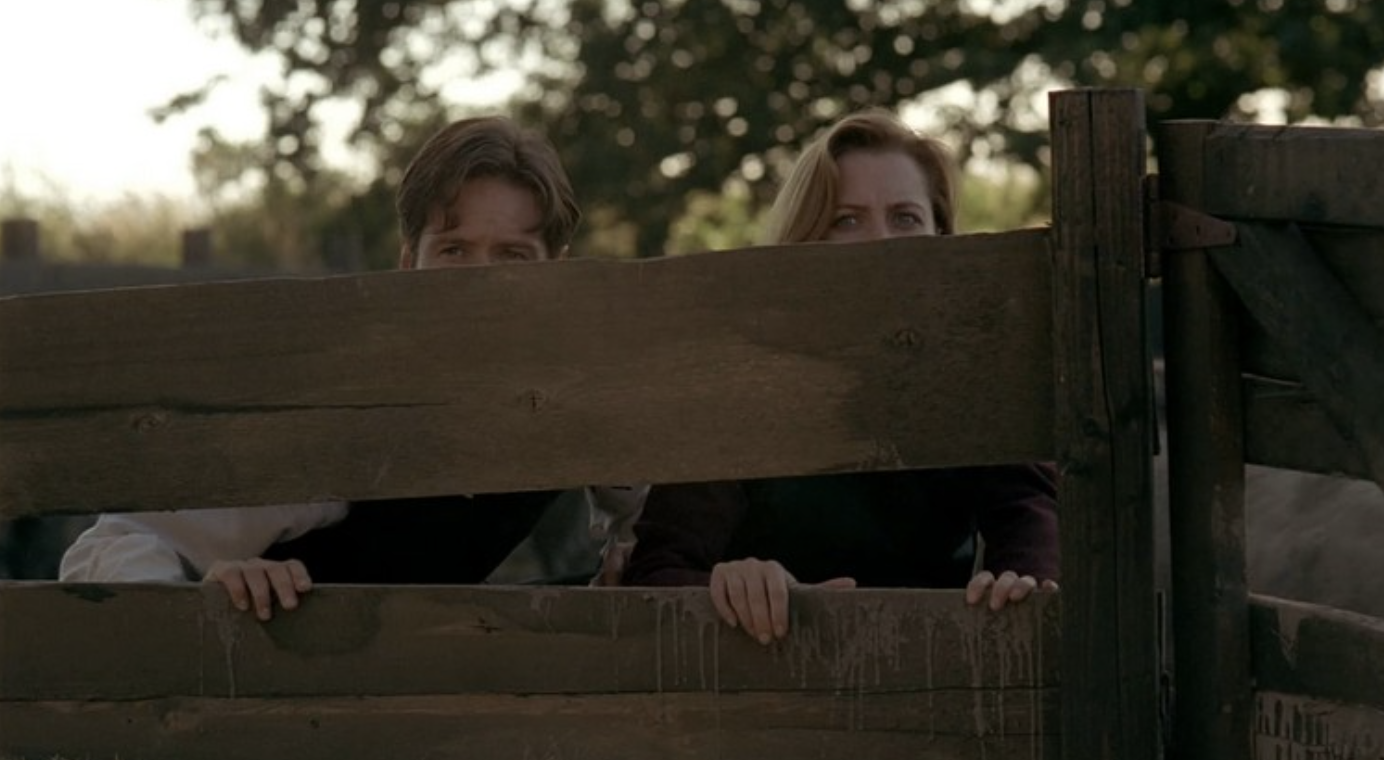
The Mulder-Scully pair stages a dialectical method. Mulder embodies the expansive hypothesis: listening to the margins, taking weak narratives seriously, assuming that an anomaly may contain a structure. Scully embodies verification: biology, forensic medicine, protocol, rational doubt. The series is powerful precisely because it never fully chooses one against the other. It invents a double method: believe enough to look, doubt enough to document.
This tension directly concerns A.L.I. A possible extraterrestrial language may not appear as a clear text. It could appear as a trace, a biological sample, a statistical pattern, a synchronicity, a repeated testimony or a poorly indexed document. The question is therefore not only “what does the message say?” but “within what regime of evidence can the message become readable?”
Forms of Extraterrestrial Communication in the Series
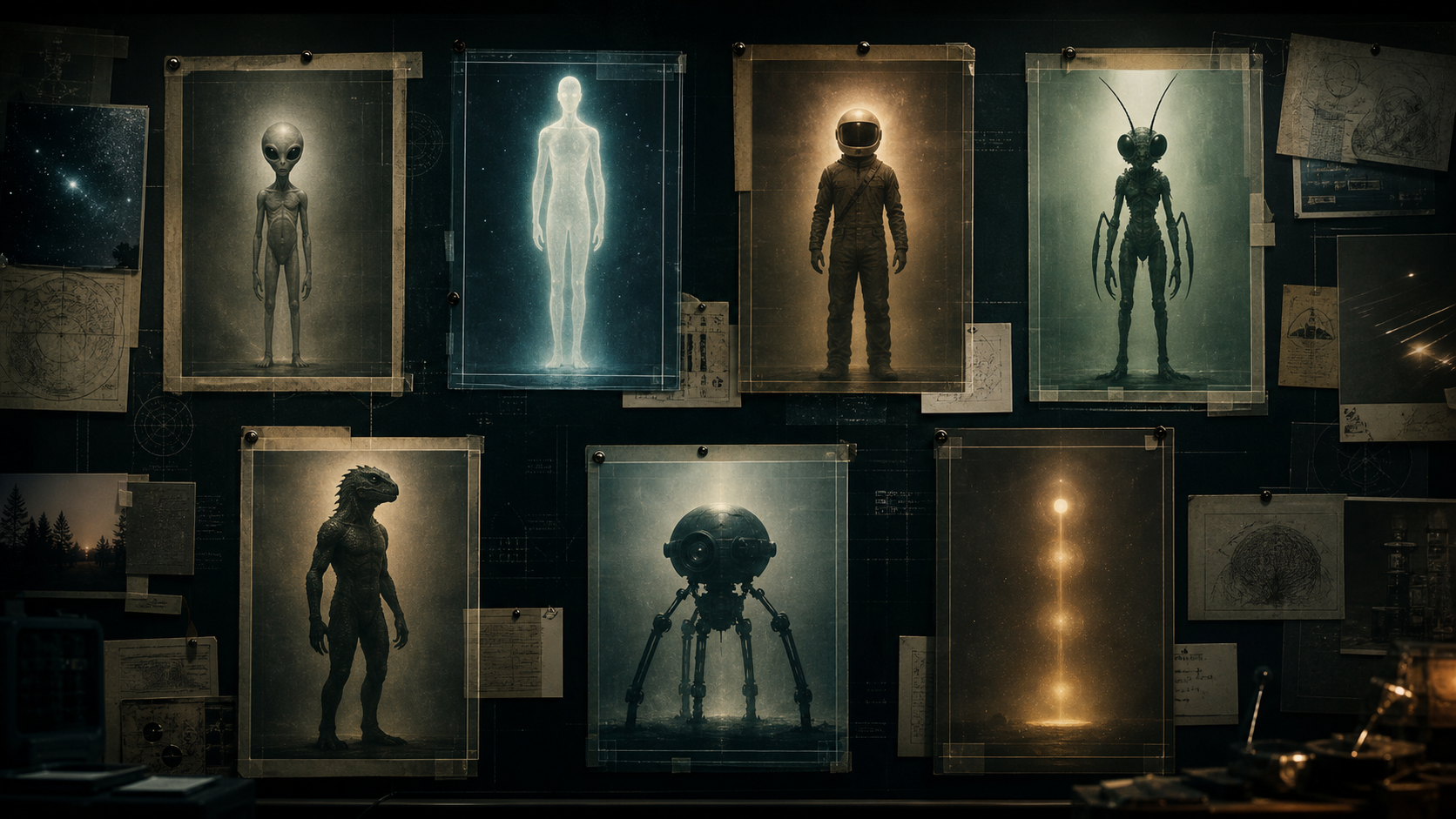
The series explores almost every imaginary path of contact. There is electromagnetic transmission, close to SETI listening: signals, interference, magnetic tapes, networks, screens, digital files. There is bodily communication: implants, abductions, missing time, traumatic memory, scars, genetic modifications. There is biological communication: contamination, hybridization, black oil, viruses or organisms that speak through the transformation of life. Finally, there is political communication: silence, classification and disinformation as counter-message.
In this framework, the extraterrestrial does not always communicate through words. It communicates through effects: displacement of the body, alteration of memory, mutation of the environment, appearance of a file, disappearance of a proof. Language becomes an ecology of signs. One no longer deciphers only an alphabet; one deciphers a system of clues.
Real Files: Project Blue Book, FBI Vault, CIA
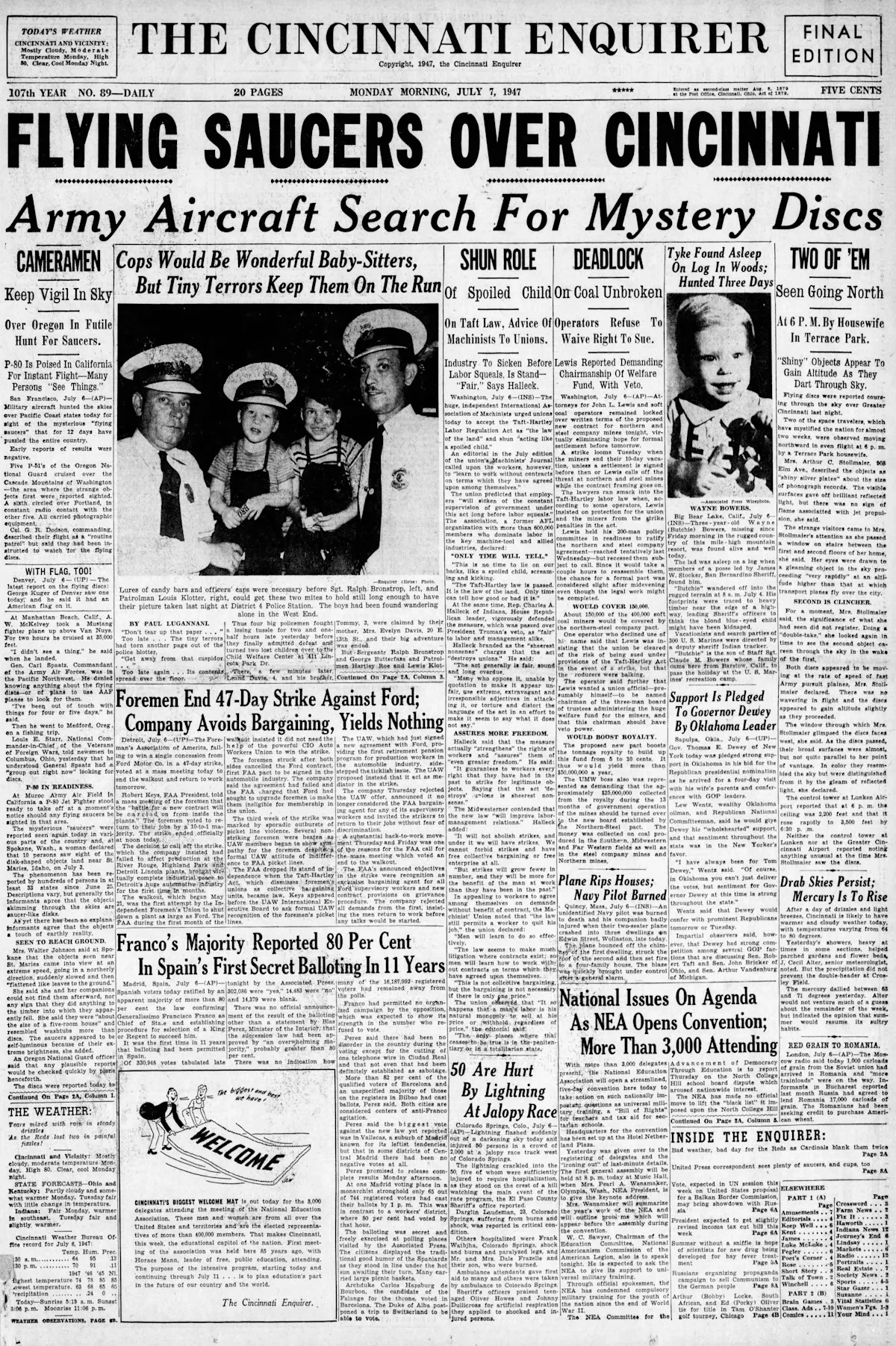
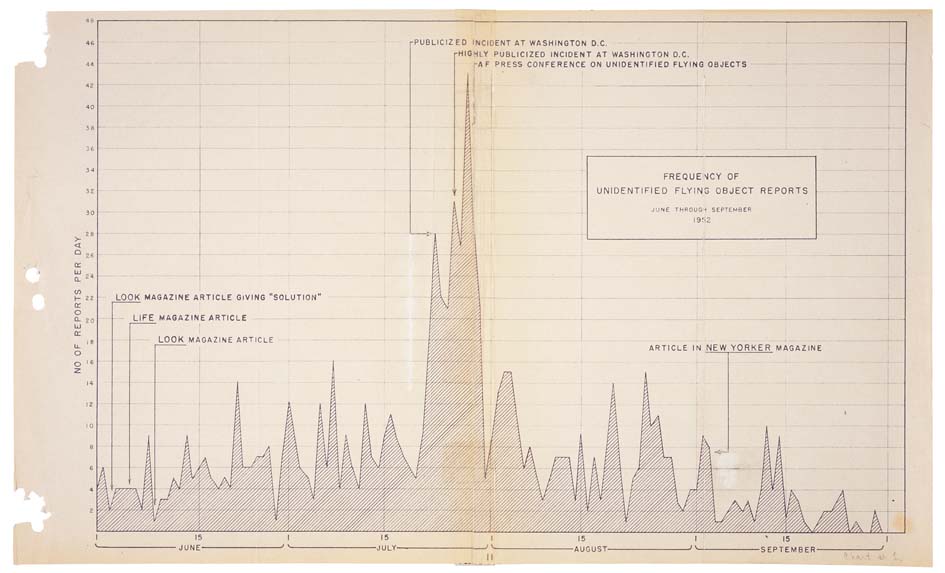
The strength of The X-Files also comes from the fact that fiction draws on real documentary matter. The United States did produce, classify, declassify and archive thousands of pages related to UFOs and later UAPs. The National Archives notes that Project Blue Book, a U.S. Air Force program, collected 12,618 sightings between 1947 and 1969, of which 701 remained “Unidentified.” The same official document also states that the Air Force found no evidence of a national security threat, no evidence of technology beyond scientific knowledge, and no evidence that unidentified sightings were extraterrestrial vehicles.
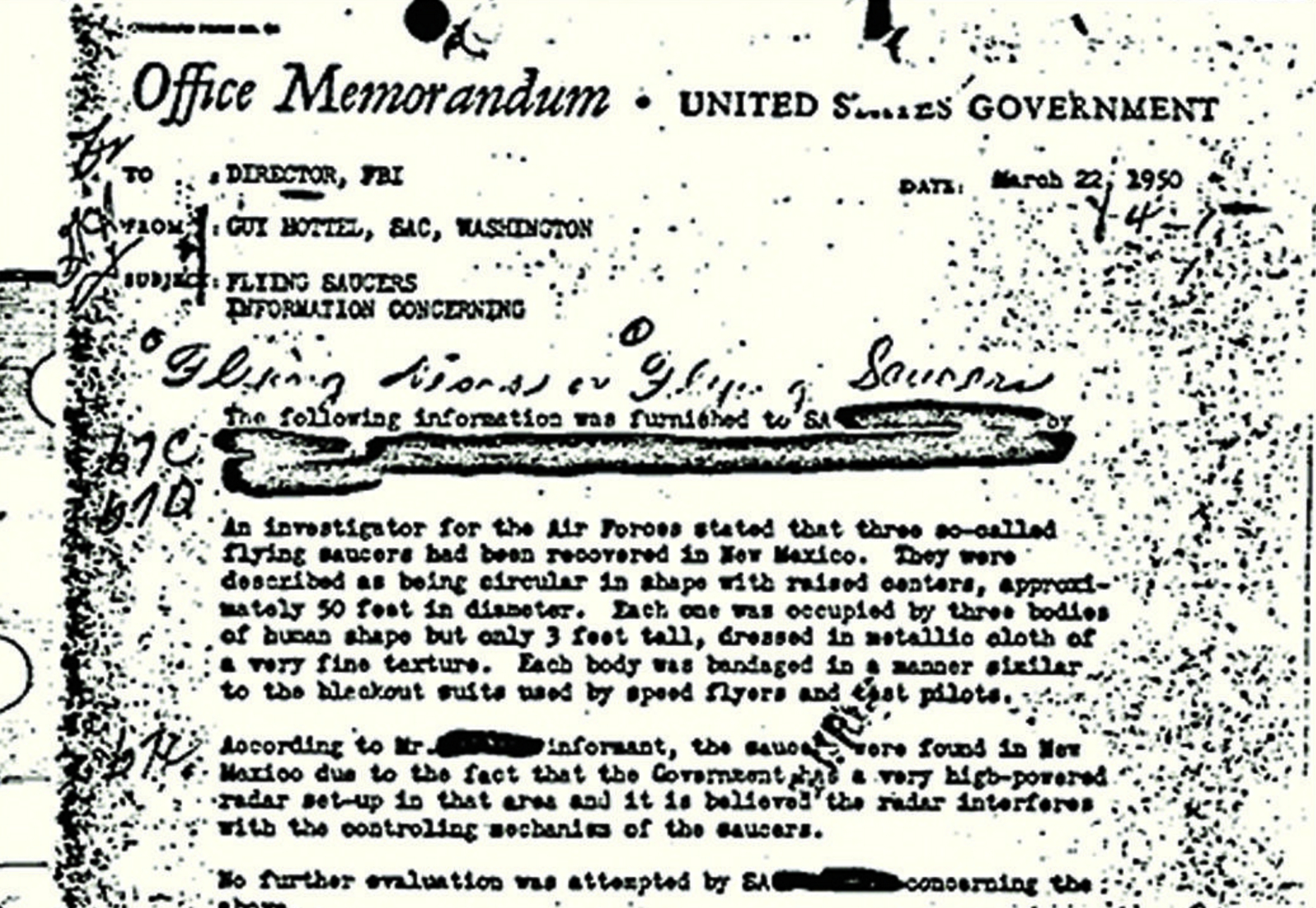
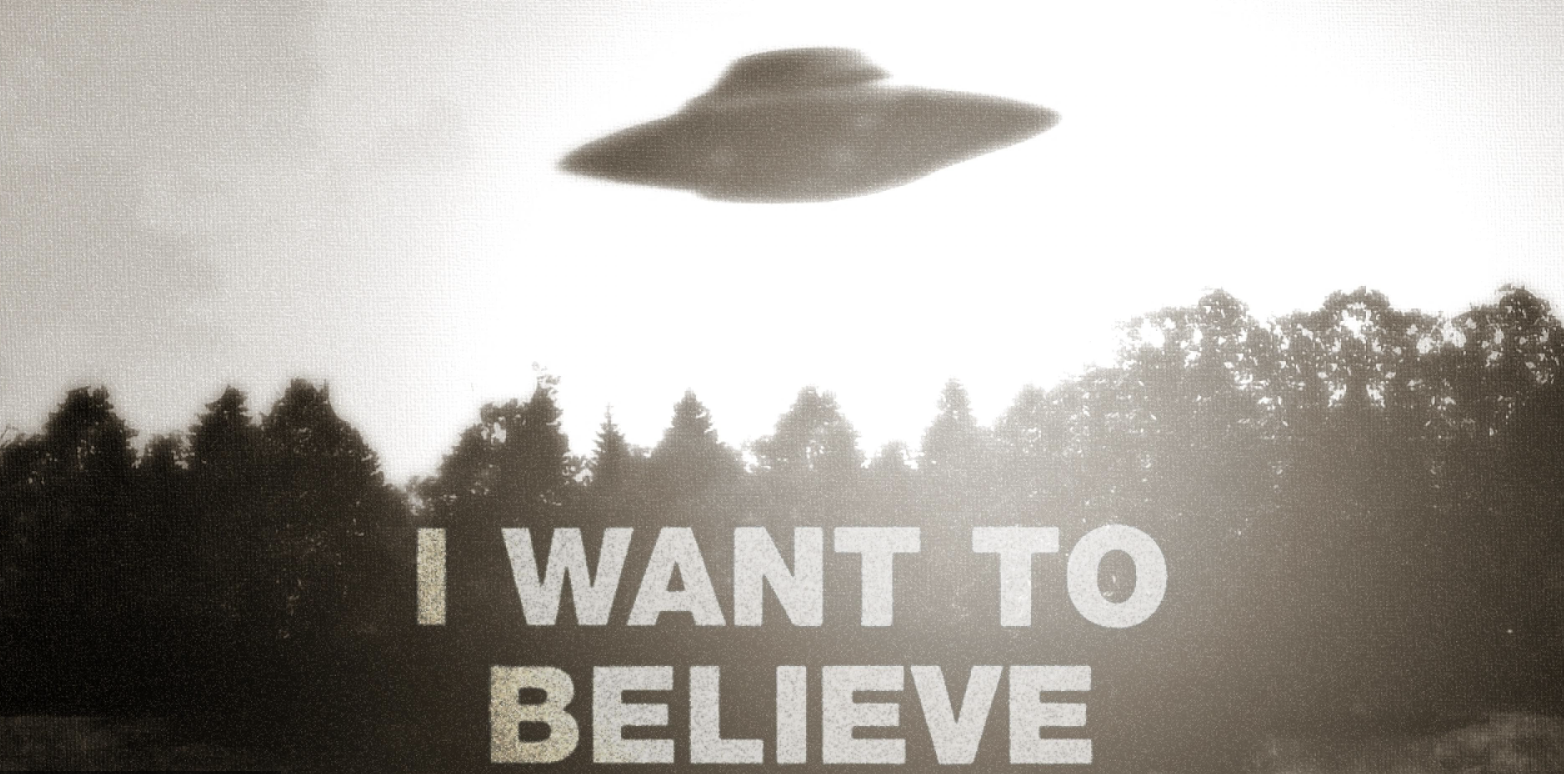
This ambiguity is essential: archives exist, but the existence of an archive is not proof of contact. The FBI's Hottel memo, one of the most viewed documents in the Vault, is exemplary: spectacular in wording, yet explicitly framed by the FBI as indirect, uninvestigated and non-conclusive information. The CIA also released sets of documents on UFO sightings, including a page ironically titled “Take a Peek Into Our X-Files,” showing how deeply the series has shaped the way archives themselves are presented.
Secrecy as Language
In The X-Files, secrecy is not only what hides the message. It becomes a form of message. Black bars, redacted pages, institutional silences, displaced witnesses, disappearing evidence: all of this composes a second language, a negative language. What is missing becomes almost as important as what is shown.
For A.L.I, this idea is decisive. A non-human civilization might deliberately limit the amount of information it transmits. A government might filter a signal. An AI might reconstruct a structure from fragments. An archive might be readable only through its absences. Contact might not be a luminous apparition, but a statistical difference in a corpus, an abnormal repetition, an organized gap.
Roswell, Area 51 and Administrative Mythology
The series also reworks the major sites of ufological imagination: Roswell, Area 51, military bases, biological experiments, secret agreements. The National Archives states that official research on Roswell did not establish a UFO event or a government cover-up, and that the recovered material was interpreted as related to a then-classified balloon program. Culturally, however, Roswell functions as a persistent narrative structure: the idea that a real event was covered by a technical explanation.
This is exactly the tension that interests the series: rational explanation, political concealment and the desire to believe. The point is not to treat every rumor as truth, but to understand why certain narrative forms become durable. A society also produces its languages through what it hides, what it fears and what it hopes for.

Around Area 51, images are not merely evidence or scenery: they become a cultural landscape. The inn, signs, desert roads and saucer silhouettes build a popular interface of secrecy. This is another lesson for A.L.I: a contact hypothesis also produces places, gestures, economies, icons and ways of looking at the sky.
From File to A.L.I Interface
One could imagine an A.L.I protocol inspired by The X-Files: each anomaly would be described through several layers. Layer 1: raw observation, date, location, sensors. Layer 2: human testimonies, contradictions, social context. Layer 3: technical analysis, noise, artifacts, possible errors. Layer 4: symbolic and cultural patterns. Layer 5: communication hypotheses. Layer 6: degree of uncertainty.
This protocol would transform the fantasy of the secret file into an artistic and scientific tool. The article, image, sound, map, spectrogram, transcript and testimony would become facets of the same interface. Instead of saying “the truth is out there,” A.L.I could propose: truth may lie in the way several sign systems overlap before they have become a language.
Projections: Listening to Archives
The most fertile path would be to create an installation functioning as a living archive room. Declassified documents, radio signals, fragments of abduction narratives, scientific reports and astronomical data would be linked by an AI. The visitor would not seek a single answer, but explore constellations of evidence. When a pattern repeats across sources, the interface would make it appear as a green line, a vibration, a breath, a hypothesis.
From this perspective, The X-Files becomes less a series about extraterrestrials than a series about our difficulty reading. It teaches us that contact, if it happens, may not immediately be recognizable as contact. We may first have to learn to read noise, silences, classifications, false positives and collective dreams. A.L.I can carry this lesson forward: invent tools to think evidence without killing imagination, and welcome imagination without abandoning critical demands.
Sources and Further Reading
National Archives - Project BLUE BOOK
National Archives - UFO and UAP-related records